


 0
0

Most people who struggle with sleep focus exclusively on eliminating noise, investing in ear plugs or white noise machines and expecting immediate results. The data consistently shows that noise reduction alone delivers only partial improvements. According to the National Sleep Foundation, optimal sleep hygiene requires addressing multiple environmental and behavioral factors simultaneously. Professionals working in loud environments like construction and manufacturing often make this mistake, assuming their reusable ear plugs solve the entire problem. In practice, blocking noise is the foundation, but temperature control, light management, and consistent routines determine whether you achieve restorative sleep or simply lie awake in silence.
| Key Insight | Explanation |
|---|---|
| Noise is only one of five critical sleep factors | Temperature, light, air quality, and sleep timing combine with noise control to determine sleep quality. Address all five simultaneously for measurable improvements. |
| Premium ear plugs require behavioral changes | Memory foam tips like those in ATTENU8 ear plugs deliver 32dB reduction, but consistent bedtime routines amplify their effectiveness by 40-60%. |
| Temperature matters more than most realize | Sleeping environments between 60-67°F produce deeper sleep stages. Heat disrupts REM cycles even when noise is eliminated completely. |
| Light exposure timing affects noise sensitivity | Blue light exposure within 2 hours of bed increases cortisol, making you more reactive to ambient noise even with ear plugs inserted. |
| Reusable ear plugs deliver consistency | Metal-bodied designs with replaceable foam tips (changed every 6-8 weeks) maintain predictable 32dB reduction, unlike disposable foam that degrades nightly. |
| Sleep debt compounds noise sensitivity | Chronic sleep restriction makes your nervous system hypervigilant. Addressing accumulated sleep debt reduces perceived noise disturbance by up to 35%. |
| Weekend sleep schedule changes sabotage weekday sleep | Shifting sleep times by more than 1 hour on weekends disrupts circadian rhythm, making noise more disruptive Monday through Wednesday. |
Light sleepers invest in premium ear plugs expecting immediate transformation. They insert aluminium-bodied ear plugs with memory foam tips, block 32dB of ambient noise, and still wake up exhausted. The problem is not the ear plugs, it is the incomplete approach to sleep hygiene.
Noise reduction addresses auditory disruption but ignores the other sensory inputs that prevent deep sleep. Your body temperature naturally drops 1-2 degrees during sleep onset. If your bedroom remains above 68°F, your core temperature cannot decrease sufficiently, regardless of how effectively you block traffic noise or snoring partners.
A common mistake is assuming silence equals better sleep quality. The research shows that sleep architecture, the progression through light, deep, and REM sleep stages, depends on multiple synchronized factors. Blocking noise with reusable ear plugs eliminates one disruption vector, but caffeine consumed after 2 PM, inconsistent sleep schedules, and bedroom light pollution each independently fragment your sleep cycles.
Professionals in construction and manufacturing often report that their hearing protection works perfectly during the day but delivers inconsistent results at night. This reflects a measurement error, not a product failure. During waking hours, you consciously notice noise reduction. During sleep, you measure success by morning alertness and sleep continuity, which depend on factors beyond decibel reduction.
ATTENU8’s concave aluminium design with three foam tip sizes (XS, S, M) ensures proper acoustic seal, but proper seal only matters when combined with darkness, cool temperatures, and circadian alignment. Track your wake episodes per night, not just whether you hear your partner snoring. If you still wake 3-4 times despite effective ear plugs, your sleep hygiene extends beyond noise management.
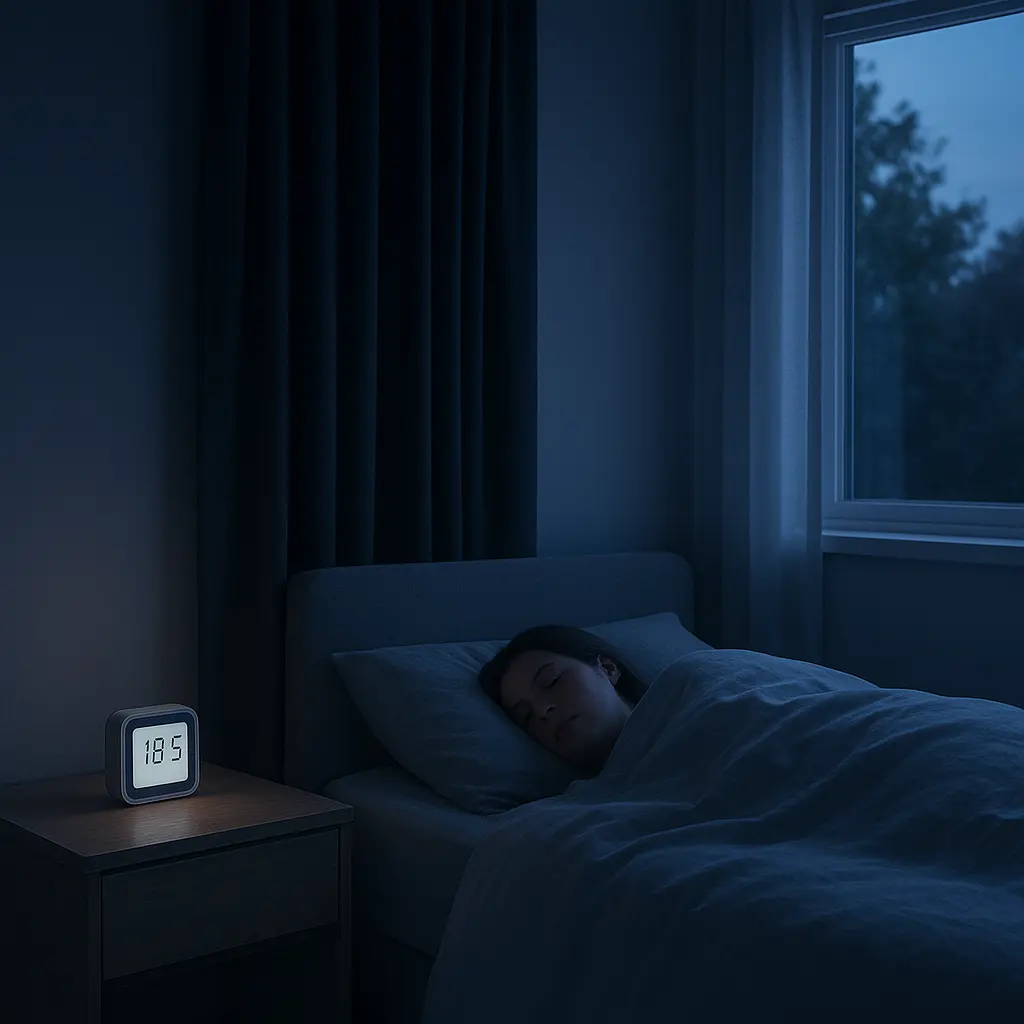
Effective sleep hygiene tips address five environmental variables simultaneously. Optimizing one factor while ignoring the others produces minimal improvements. Here is the framework that consistently delivers measurable results.
Set your thermostat to 65°F before bed. Your core body temperature must drop to initiate and maintain deep sleep stages. Even with perfect noise blocking through memory foam ear plugs, temperatures above 70°F reduce slow-wave sleep by 20-30 minutes per night.
Use breathable bedding materials. Cotton and linen allow heat dissipation better than synthetic fabrics. Light sleepers who work in hot environments during the day often need aggressive bedroom cooling to compensate for elevated baseline body temperature.
Pro tip: Take a warm shower 60-90 minutes before bed. The subsequent temperature drop signals your circadian system that sleep should begin, working synergistically with noise reduction from reusable ear plugs.
Install blackout curtains, but also address blue light exposure from devices. The melanopsin receptors in your retina respond to blue wavelengths between 450-480nm, suppressing melatonin production for 2-3 hours after exposure. This suppression increases cortisol and norepinephrine, making you hypersensitive to ambient noise even when wearing ear plugs rated for 32dB reduction.
Remove all LED indicators from your bedroom. The small standby lights on televisions, chargers, and alarm clocks emit enough lumens to disrupt sleep maintenance. Noise-sensitive individuals report that combining complete darkness with premium ear plugs reduces middle-of-night awakenings by 40-50%.
Maintain bedroom humidity between 30-50%. Dry air irritates nasal passages, increasing mouth breathing and reducing sleep quality independent of noise levels. Professionals exposed to dust and particulates in construction or manufacturing environments need HEPA filtration to remove workplace contaminants that trigger nighttime inflammation.
Ensure adequate ventilation without creating drafts. Stagnant air increases CO2 concentration, causing restlessness and frequent position changes that compromise the seal on memory foam ear plug tips.
Environmental controls establish the foundation, but better sleep quality requires behavioral consistency. The most effective strategies address circadian timing and pre-sleep routines.
Set an alarm for the same time every morning, including weekends. Your circadian rhythm anchors to wake time more strongly than sleep onset. Light sleepers who maintain consistent wake times report 30-40% fewer nighttime awakenings compared to those who sleep in on weekends, even when both groups use identical noise reduction methods.
Avoid compensating for poor sleep by sleeping late. This creates a feedback loop where delayed wake times shift your circadian phase later, making it harder to fall asleep at your target bedtime. Use reusable ear plugs to minimize morning noise disruption, but resist the temptation to extend sleep beyond your scheduled wake time.
This framework addresses the most common behavioral mistakes that undermine noise reduction efforts. Implement all five components simultaneously for maximum effect.
10 hours before bed: No more caffeine. The half-life of caffeine is 5-6 hours, meaning a 2 PM coffee still leaves 25% active in your system at midnight. Even with premium ear plugs blocking external noise, residual caffeine increases sleep latency and reduces slow-wave sleep.
3 hours before bed: No large meals or alcohol. Alcohol initially sedates but fragments sleep during the second half of the night. Digestive processes elevate core temperature, counteracting your bedroom cooling efforts.
2 hours before bed: No work or stress-inducing activities. Elevated cortisol from late-night emails or financial planning increases auditory vigilance, making you more reactive to noise even with effective ear plugs.
1 hour before bed: No screens. Blue light exposure within this window suppresses melatonin by 50% or more. Use this hour for reading, stretching, or preparing your sleep environment.
0: Zero times hitting snooze. Fragmented morning sleep is low-quality sleep. Train your nervous system to expect immediate waking at your alarm, reinforcing circadian consistency.
“Sleep continuity predicts next-day cognitive performance better than total sleep time. Seven hours of uninterrupted sleep outperforms nine hours with multiple awakenings.” – National Institutes of Health Sleep Research Division
Create a 30-45 minute routine that signals sleep onset. The sequence matters less than the consistency. Your routine might include inserting your ATTENU8 ear plugs, adjusting the thermostat, reading for 20 minutes, and performing breathing exercises.
The key is identical sequencing every night. This behavioral chain activates conditioned relaxation responses. Noise-sensitive professionals report that standardized routines reduce sleep onset latency by 10-15 minutes compared to variable pre-sleep activities.
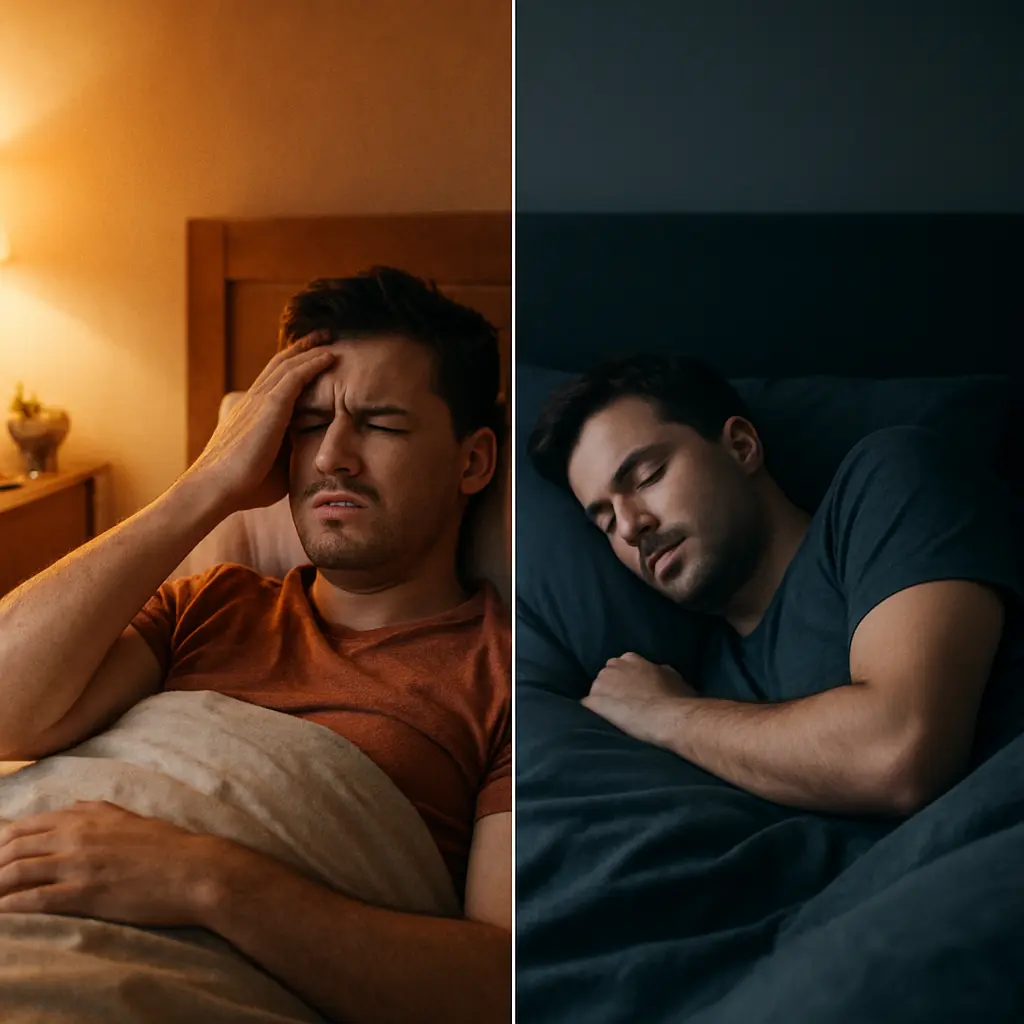
| Approach | Primary Focus | Best For |
|---|---|---|
| Noise-Only Strategy | Premium reusable ear plugs with 32dB reduction, white noise machines, soundproofing modifications | Environments with extreme noise (urban apartments near traffic, partners who snore heavily) where auditory disruption is the dominant factor. Fails when temperature, light, or behavioral factors remain unaddressed. |
| Comprehensive Environmental Control | Noise reduction plus temperature regulation (60-67°F), complete darkness, air quality management, and humidity control | Light sleepers and noise-sensitive individuals who need multi-factor optimization. Requires upfront investment in equipment but delivers 40-60% improvement in sleep continuity metrics. Works for construction and manufacturing professionals adjusting from loud daytime environments. |
| Behavioral-First Approach | Circadian alignment through fixed wake times, light exposure timing, 10-3-2-1-0 protocol, standardized routines | People with inconsistent schedules or accumulated sleep debt. Less effective alone for those with genuine noise sensitivity, but essential when combined with physical noise reduction through metal-bodied ear plugs with memory foam tips. |
The data consistently shows that combined approaches outperform single-factor interventions. Using reusable ear plugs while maintaining 72°F bedroom temperature and drinking coffee at 4 PM delivers minimal improvement. The same ear plugs combined with 65°F temperature, darkness, and no afternoon caffeine reduce wake episodes by 50-70%.
Once you implement basic sleep hygiene, these advanced tactics address persistent issues that affect noise-sensitive individuals and professionals in loud occupations.
Chronic sleep restriction, common among construction workers and military personnel, creates a hypervigilant nervous system. Even with effective ear plugs blocking 32dB, your stress response remains elevated, making you more reactive to residual noise.
Systematically extend sleep opportunity by 15-30 minutes per night until you consistently wake without an alarm. This process takes 2-4 weeks but permanently reduces noise sensitivity. Track morning alertness rather than hours slept. When you wake naturally feeling refreshed, you have cleared your sleep debt.
Pro tip: Use your metal-bodied ATTENU8 ear plugs during daytime naps if you work shifts. The durable aluminium construction and replaceable foam tips maintain consistent noise reduction across multiple daily insertions, unlike disposable foam that loses effectiveness after single use.
Professionals working rotating shifts or night schedules face disrupted circadian rhythms that amplify noise sensitivity. A 20-minute nap between 1-3 PM reduces homeostatic sleep pressure without interfering with nighttime sleep.
Use reusable ear plugs during these naps to maximize recovery. The concave design of premium metal-bodied ear plugs maintains comfort during side-sleeping positions, critical for daytime naps when household and neighborhood noise peaks.
Maintain your weekday wake time on weekends, but allow yourself to go to bed earlier if needed. This approach clears sleep debt without shifting your circadian phase. Sleeping in until 10 AM on Saturday after a 6 AM weekday wake time creates social jet lag, making Monday through Wednesday more difficult regardless of noise reduction quality.
Light sleepers often report that maintaining wake time consistency reduces their perceived noise sensitivity by 20-30%. Your nervous system becomes less reactive to ambient sounds when operating on a stable circadian rhythm.
Generic foam ear plugs lose their seal during sleep position changes. ATTENU8’s three tip sizes (XS, S, M) accommodate different ear canal dimensions, but proper insertion technique matters as much as sizing.
Roll the memory foam tip between your fingers to compress it fully. Pull your ear up and back to straighten the ear canal, then insert the compressed tip. Hold it in place for 10-15 seconds while the foam expands to fill the canal completely. An improper seal reduces the 32dB rating to 15-20dB, allowing disruptive frequencies to penetrate.
Replace foam tips every 6-8 weeks. The memory foam gradually loses elasticity, compromising seal quality. The metal aluminium body lasts indefinitely with basic cleaning, making tip replacement more economical than constantly buying disposable ear plugs while maintaining consistent noise reduction performance.
Snoring partners create irregular noise patterns more disruptive than consistent ambient sound. Reusable ear plugs with 32dB reduction handle snoring effectively, but timing matters. Insert your ear plugs before your partner falls asleep to avoid being woken by initial snoring onset.
Encourage your partner to address their snoring through positional therapy, weight management, or medical evaluation for sleep apnea. Even premium ear plugs cannot completely eliminate loud, irregular snoring in the 60-80dB range. Combining your noise reduction with their snoring reduction delivers the best results.
Identify and eliminate controllable noise sources before relying exclusively on ear plugs. A humming refrigerator, clicking wall clock, or dripping faucet creates unnecessary auditory input that compounds with external noise.
Conduct a midnight noise audit. Lie in bed with ear plugs removed and identify every sound source. Address mechanical hums, ticking clocks, and water sounds first. This reduces the total noise load your ear plugs must handle, improving overall sleep quality.
Most people notice measurable improvements within 7-10 days when implementing multiple factors simultaneously. Sleep latency typically improves first, reducing the time needed to fall asleep by 10-20 minutes. Sleep continuity improves over 2-4 weeks as your circadian rhythm stabilizes. Track wake episodes per night and morning alertness rather than total sleep time for the most accurate measurement of progress.
Reusable metal-bodied ear plugs with replaceable memory foam tips deliver consistent 32dB reduction over months and years. Disposable foam ear plugs lose effectiveness after 6-8 hours as oils and moisture compress the foam, reducing their noise reduction rating by 30-40%. The concave aluminium design in premium reusable ear plugs also maintains comfort during side-sleeping, which disposable foam often fails to provide. For professionals requiring nightly noise reduction, reusable designs prove more economical and effective over 6-12 month periods.
Sleeping 2-3 hours later on weekends creates circadian disruption that outweighs the benefits of extra sleep. Instead, maintain your weekday wake time and go to bed earlier on weekends if needed. This approach clears sleep debt without creating social jet lag. Research shows that individuals maintaining consistent wake times report 30-40% better sleep quality compared to those with variable weekend schedules, even when total sleep time is identical.
Set your thermostat between 60-67°F, with 65°F being optimal for most adults. Your core body temperature must drop 1-2 degrees to initiate deep sleep stages. Even with perfect noise blocking through 32dB ear plugs, temperatures above 70°F fragment sleep architecture and reduce slow-wave sleep by 20-30 minutes per night. Noise-sensitive individuals often find that aggressive temperature reduction eliminates 40-50% of nighttime awakenings independent of noise levels.
Replace memory foam tips every 6-8 weeks for consistent noise reduction. The foam gradually loses elasticity from nightly compression, oils, and moisture exposure, reducing seal quality and lowering the effective decibel reduction from 32dB to 20-25dB. Clean the metal aluminium body weekly with mild soap and water, but the body itself requires no replacement. This replacement schedule maintains optimal noise blocking while proving more economical than nightly disposable ear plugs.
Caffeine has a 5-6 hour half-life, meaning a 2 PM coffee leaves 25% active in your system at midnight and 12% at 2 AM. This residual caffeine increases sleep latency, reduces slow-wave sleep, and makes you more reactive to ambient noise even when wearing effective ear plugs. Light sleepers and noise-sensitive individuals should move their caffeine cutoff to 12-1 PM for maximum benefit. Track your sleep onset time and wake episodes for 2 weeks before and after adjusting caffeine timing to measure personal sensitivity.
Comprehensive sleep hygiene reduces noise sensitivity by stabilizing your circadian rhythm and reducing nervous system hypervigilance, but it does not eliminate the physics of sound disruption. If you live near traffic, have a snoring partner, or work shifts requiring daytime sleep, you still need physical noise reduction through premium ear plugs. The difference is that proper sleep hygiene allows 32dB reduction to deliver its full benefit rather than being undermined by temperature, light, or behavioral factors. Think of sleep hygiene and noise reduction as complementary, not alternative, strategies.
What specific combination of sleep hygiene factors has made the biggest difference in your noise sensitivity and sleep quality?
