


 0
0

Understand earplug decibel ratings, NRR and SNR explained. Learn what the numbers really mean, how to calculate real-world protection, and which rating you need.
Memory foam vs. wax vs. silicone earplugs for side sleepers: which material wins on comfort, noise reduction, and overnight wearability? A direct comparison.
Discover why 32dB noise reduction is the ideal rating for sleep earplugs, balancing snoring and traffic attenuation with overnight comfort and safety awareness.
The complete ear plug buying guide for 2026. Learn how NRR works, which type fits your use case, and how to avoid the fit mistakes that defeat even high-rated plugs.
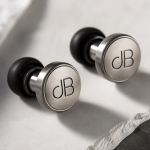
How ATTENU8 hit 127% Kickstarter funding in 24 hours: the brand story behind Singapore’s first metal-bodied reusable ear plug and what it means for buyers today.
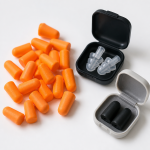
Are premium ear plugs worth it compared to cheap foam? We break down NRR ratings, real-world performance, cost per use, and who should upgrade to reusables.
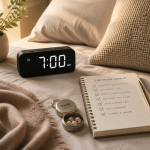
A science-backed sleep hygiene checklist with 12 prioritized habits for better sleep, plus the one product that fixes what habits alone cannot: environmental noise.
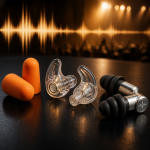
Learn how to choose the best ear plugs for concerts that protect your hearing without ruining sound quality. Compare foam, high-fidelity, and reusable options.
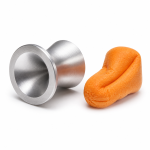
Why a metal ear plug body outperforms plastic: aluminium durability, hygiene, consistent 32dB noise reduction, and the real long-term cost of reusable ear plugs.
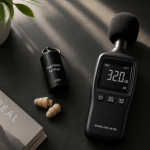
Shift workers and night-shift nurses: discover how the right ear plugs and daytime sleep habits can finally give you the deep, uninterrupted rest you need.
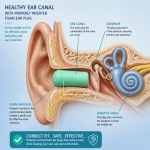
Do ear plugs cause ear infections? Research says no – if you use them correctly. Debunk the biggest ear plug myths and learn how to use them safely.
Discover 10 key situations where using ear plugs makes a real difference for sleep, work, travel, and noise sensitivity. Expert guide to noise reduction in daily life.
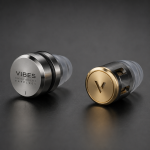
ATTENU8 vs Flare Audio: a direct comparison of noise reduction ratings, sleep comfort, build quality, and cost to help you choose the right premium ear plugs.
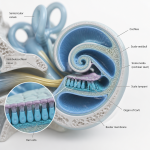
Learn what causes noise-induced hearing loss, how to recognise its symptoms early, and the most effective hearing protection strategies you can start using today.
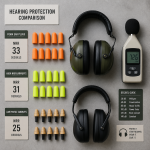
Ear plugs vs earmuffs: which actually protects your hearing better? We compare NRR ratings, sleep comfort, workplace fit, and reusable options to help you choose.
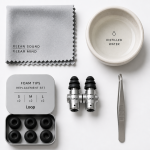
Learn how to clean ear plugs the right way. This ATTENU8 maintenance guide covers daily care, deep cleaning the aluminium body, foam tip hygiene, and when to replace tips.
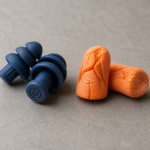
Discover the best ear plugs for travel and flying. Learn how cabin noise damages hearing, how to get the right fit, and why premium reusable plugs outperform disposables.
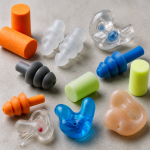
Struggling to sleep next to a snoring partner? Learn which ear plugs actually block snoring noise, why fit matters more than NRR, and what couples use that works.
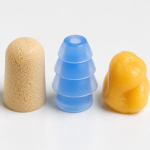
Memory foam ear plug tips expand to seal your ear canal precisely. Find out why they outperform silicone flanges and wax for sleep, work, and lasting noise reduction.
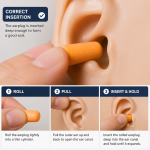
The complete guide to ear plugs for construction workers and industrial professionals. Learn NRR ratings, insertion technique, and which protection actually works on site.
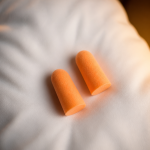
Research confirms ear plugs improve sleep by protecting REM sleep and reducing arousals. See what the studies say and which type delivers real results.
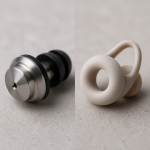
ATTENU8 vs Loop ear plugs: an honest, spec-by-spec comparison for sleep, comfort, and noise reduction to help you decide which plug is right for you.
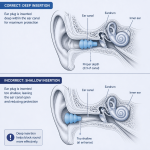
Most people get less than half their ear plugs’ rated noise reduction. Learn the correct insertion technique, how to confirm the seal, and why tip size matters.
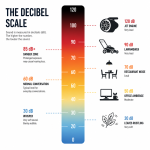
Discover what decibel levels everyday sounds reach, when hearing damage starts, and how noise above 85dB affects your ears, sleep, and long-term health.
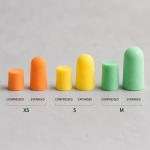
Learn how to choose between XS, S, and M ear plug sizes. This guide explains memory foam tip sizing, fit testing, and what wrong sizing actually costs you.
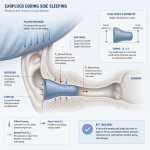
Most ear plugs fall out during side sleeping for specific, fixable reasons. Learn the physics behind it and the design features that keep ear plugs in all night.
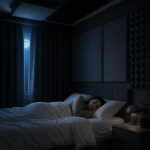
Noise pollution health effects go beyond irritation. Learn how noise disrupts sleep, raises stress hormones, and what you can do to block it tonight.
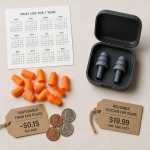
Disposable ear plugs cost more than you think. See the real annual cost, hygiene risks, and why reusable ear plugs save money for daily users.
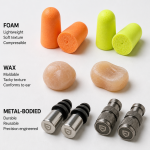
Foam ear plugs vs metal ear plugs: which material actually blocks more noise? An honest, practical comparison of foam, wax, and metal-bodied reusable ear plugs.
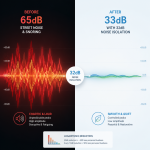
Discover what 32dB noise reduction actually delivers for your sleep, how SNR and NRR ratings differ, and why fit matters more than the number on the box.
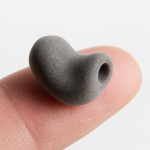
Light sleepers wake to the smallest sounds. Here is why standard ear plugs fail and how the right high-attenuation, well-fitted plug finally solves the problem.
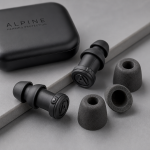
Discover 8 loud environments where reusable ear plugs for work are essential. From construction to sleep, learn why durable plugs outperform disposables.
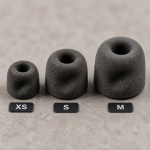
Find your correct ear plug size with this complete XS, S, M tip guide. Learn how memory foam fit affects your 32dB seal and real-world noise reduction results.
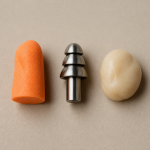
Comparing metal ear plugs vs foam and wax on real NRR, comfort, and longevity. Find out which type actually blocks the most noise for sleep and work.
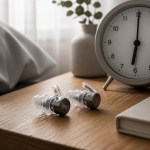
Discover why 32dB noise reduction is the precise level light sleepers need to block snoring and traffic without the discomfort of over-isolation. Expert guide.
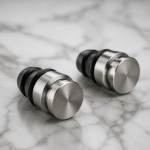
ATTENU8 ear plugs review: discover why this metal-bodied, 32dB reusable ear plug hit 127% Kickstarter funding in 24 hours and how it compares to Loop and Flare Audio.
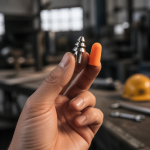
Ear plugs for manufacturing workers: what OSHA requires, why NRR ratings overstate protection, and how reusable metal-body earplugs improve compliance and comfort.
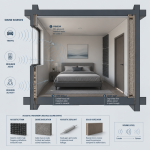
A room-by-room noise reduction checklist for building a quieter sleep environment, covering windows, doors, walls, floors, masking strategies, and ear protection.
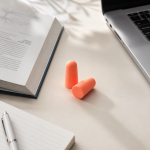
Discover how ear plugs for studying reduce noise distraction, protect working memory, and help students focus longer. Practical tips and honest product guidance.

Chronic poor sleep raises your risk of heart disease, cognitive decline, and immune failure. Learn the science and how a quiet sleep environment protects your health.
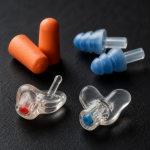
Ear plugs for concerts protect your hearing without ruining the music. Learn which type works best, how NRR ratings apply to live events, and what to look for.
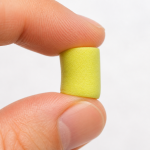
Learn how to insert ear plugs correctly for maximum noise reduction. Step-by-step technique for memory foam tips, seal testing, and common mistakes to avoid.
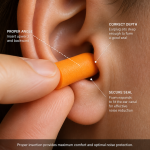
Ear plugs not working? Learn the 5 clear signs your plugs are failing, why not enough noise reduction is usually a fit problem, and how to fix it fast.
Learn how noise and concentration at work are connected, why open plan offices hurt performance, and which ear plugs for focus actually deliver results.
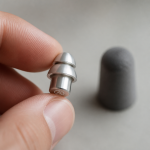
Are metal ear plugs safe? We break down how aluminium ear plugs work, their noise reduction ratings, hygiene benefits, and real risks to know before buying.
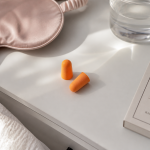
Shift workers need more than willpower to sleep during the day. Learn how the right ear plugs, rated 32dB, and a layered sleep setup solve daytime noise.
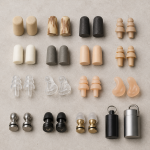
Use this ear plug buying guide to compare NRR ratings, materials, fit systems, and real costs before you buy. Find the right plug for sleep, work, or travel.
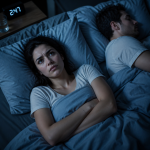
Partner snoring wrecking your sleep? Learn the science behind noise disruption and find the best ear plugs for snoring to get real, lasting relief.
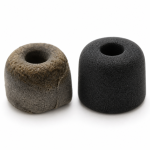
Learn exactly how often to replace ear plug tips, warning signs of foam degradation, and a simple maintenance routine to keep your hearing protection performing.
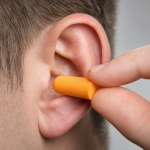
Learn how to sleep on a plane with the right ear plugs for flying. Expert tips on noise reduction, ear plug fit, reusable vs disposable, and full in-flight sleep systems.
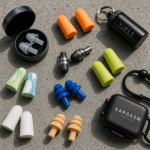
Find the best ear plugs for construction workers. Expert guide on NRR ratings, industrial ear plugs, fit, compliance, and why reusable beats disposable.

Discover how noise destroys specific sleep stages, why deep and REM sleep are most at risk, and what actually works to protect your sleep architecture nightly.
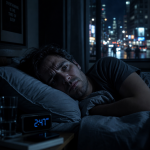
Urban noise pollution is silently destroying your sleep quality. Learn the science, the decibel thresholds, and the most effective solutions for city sleepers.
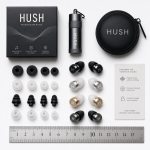
ATTENU8 vs Flare Audio ear plugs compared on noise reduction, build quality, sleep comfort, and long-term cost. Find out which one is actually worth buying.
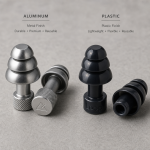
ATTENU8 vs Loop ear plugs: an honest, no-fluff comparison of noise reduction, comfort, durability, and value for light sleepers and noise-sensitive users.

Reusable vs disposable ear plugs: see the real annual costs, break-even timelines, and why premium reusables like ATTENU8 save money and reduce waste.
Discover which everyday sounds exceed safe decibel levels, how long it takes for hearing damage to occur, and what hearing protection actually works.
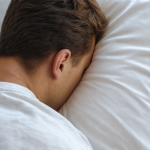
Side sleepers need ear plugs built for pillow pressure, not just noise. Learn why standard foam fails, what flat-profile designs do differently, and which specs matter.
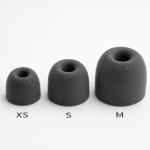
Discover how to find the right ear plug sizes for a perfect noise-blocking seal. Learn XS, S, M tip selection, correct fitting technique, and seal testing.
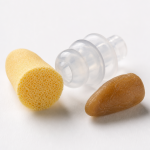
Memory foam, silicone, or wax ear plugs for sleep? Get the real NRR data, comfort comparison, and hygiene facts to choose the best ear plug material tonight.

Noise-induced hearing loss is permanent and preventable. Learn the science, decibel thresholds, and hearing protection strategies that actually work.
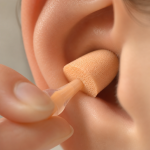
32dB noise reduction explained in plain terms. Learn what the NRR rating actually delivers for sleep, how fit affects real performance, and what to expect.
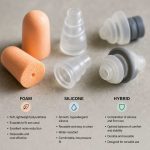
Sensitive ear canal? Learn which comfortable ear plugs won’t cause irritation, how sizing affects pressure, and why material choice matters most for sleep and work.
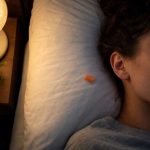
Ear plugs fall out at night because of size mismatches, insertion errors, and pillow pressure. Find the exact fixes that keep ear plugs secure all night.
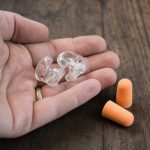
Learn how musician ear plugs and concert hearing protection work, which types actually protect your hearing, and why reusable plugs outperform disposable foam.
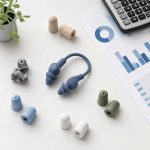
Run the real numbers on reusable vs disposable ear plugs. See annual cost breakdowns, performance data, and which option delivers the best value for daily use.

Struggling with roommate noise in your dorm? Find the best dorm room ear plugs, college sleep tips, and roommate noise solutions that actually work.
Testing whether ear plugs really deliver 32dB noise reduction. Understand NRR ratings, real-world attenuation gaps, fit factors, and what 32dB actually protects against.
Shift work sleep strategies that actually work: daytime noise control, ear plug selection, light management, and schedule anchoring for night shift workers.
Light sleepers wake easily because of low sleep spindle activity and noise sensitivity. Discover proven light sleeper solutions that actually reduce nighttime waking.
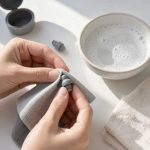
Learn how to clean ear plugs properly, maintain memory foam tips, and extend the life of your reusable ear plugs with this practical maintenance guide.
Discover why anodized aluminum ear plugs outperform plastic alternatives in noise reduction, durability, and hygiene. See how material quality affects real-world NRR.
Business travel destroys sleep. Learn how the right travel ear plugs block plane noise and hotel disruption so you wake up sharp wherever work takes you.
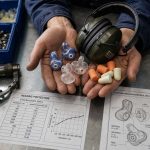
Factory hearing protection explained: NRR ratings, OSHA requirements, industrial ear plug types, and how to prevent permanent noise-induced hearing loss.
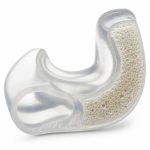
Discover how concave ear plug design improves fit, seal, and noise reduction. Learn the science behind ergonomic ear plugs and real-world attenuation performance.
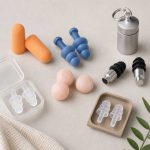
Urban noise wrecks sleep quality. Learn how city noise affects sleep cycles, which ear plugs actually block apartment noise, and how to get real results.
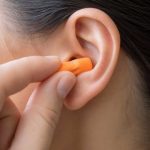
Learn exactly how to insert ear plugs correctly with this step-by-step guide. Avoid the common mistakes that cut noise reduction from 32dB down to 10dB.
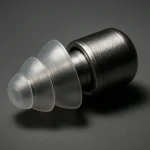
Military personnel face noise exposure levels that civilian shooters rarely encounter. A single rifle shot generates 160-170 dB, and sustained exposure during training exercises without proper firearms hearing protection leads to permanent hearing loss in 60% of combat veterans according to Department of Veterans Affairs data. The difference between standard
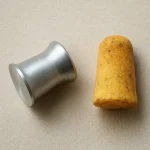
Most people throw away disposable foam ear plugs after a single use, creating a cycle of waste and constant repurchasing that drains both wallets and patience. The average person uses between 100 and 200 foam ear plugs per year, spending $50 to $100 annually on what is essentially a consumable
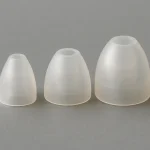
Most people buy ear plugs without considering ear canal size, then wonder why they fall out during sleep or cause discomfort after 20 minutes. The reality is straightforward: ear canal diameter varies by 30-40% between individuals, and using the wrong size transforms a premium hearing protection product into an expensive
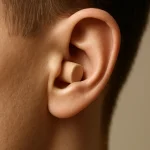
Side sleeping with ear plugs creates a specific challenge that most manufacturers ignore: pillow pressure. When you press a traditional cylindrical ear plug against a pillow, it pushes the plug deeper into your ear canal, causing discomfort that wakes you within hours. The solution isn’t choosing between noise reduction and

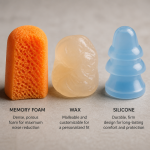
The wrong ear plug material can mean the difference between restful sleep and waking up at 3 AM to traffic noise. Most people grab whatever is available at the pharmacy, but the material you choose affects noise reduction, comfort duration, and total cost over time. Memory foam, silicone, and wax
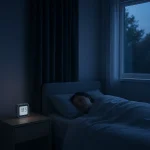
Most people who struggle with sleep focus exclusively on eliminating noise, investing in ear plugs or white noise machines and expecting immediate results. The data consistently shows that noise reduction alone delivers only partial improvements. According to the National Sleep Foundation, optimal sleep hygiene requires addressing multiple environmental and behavioral
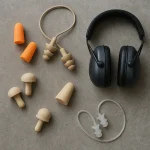
Construction sites generate noise levels that routinely exceed 85 decibels, the threshold where permanent hearing damage begins. OSHA mandates hearing protection at this level, yet enforcement data shows that 40% of construction sites still fail compliance audits for inadequate hearing conservation programs. The issue is not awareness but implementation. Workers
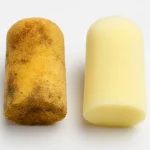
Most reusable ear plug users make a critical error: they wait until foam tips disintegrate before replacing them. This approach costs you both comfort and protection weeks before you realize it. The question isn’t whether to replace ear plug tips, but when, and the answer depends on usage frequency, hygiene

If you’ve ever woken with a sore ear, a displaced ear plug wedged under your pillow, or the frustration of choosing between silence and comfort, you know the struggle. Side sleepers face a unique challenge: standard ear plugs designed for standing or sitting rarely account for the sustained pressure created
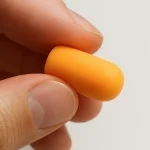
Anyone who has struggled with traditional foam ear plugs knows the frustration. You roll them between your fingers, try to jam them into your ear canal before they expand, and often end up with inadequate protection because they never seated properly. The data consistently shows that foam ear plugs difficult
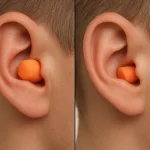
Most people choose ear plugs by picking a random number on the package, assuming higher is always better. The reality is more nuanced. A 32dB noise reduction rating sounds like it blocks seven more decibels than 25dB, but the acoustic physics behind these ratings reveal a different story. Understanding what
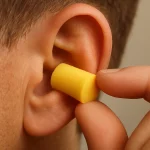
If you’re a light sleeper battling ambient noise, you’ve likely faced the metal vs foam ear plugs debate. Traditional foam plugs promise convenience but demand constant replacement and often fail to stay in place. Metal-bodied reusable ear plugs, by contrast, deliver consistent noise reduction through engineered acoustic design while requiring

Partner snoring disrupts sleep for an estimated 40% of adults sharing a bed, creating a cycle of frustration, exhaustion, and strained relationships. The solution isn’t just about tolerating the noise. It’s about implementing proven strategies that address both the acoustic problem and the sleep environment. This guide walks through practical,
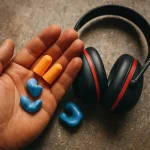
Construction sites operate at noise levels that permanently damage hearing. OSHA reports that 22 million workers are exposed to hazardous noise annually, with construction ranking among the highest-risk industries. A single day operating a jackhammer at 100dB without proper hearing protection construction solutions can cause irreversible damage. Yet workers still
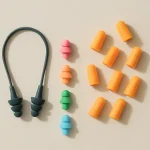
If you’re still buying disposable foam ear plugs every week, you’re spending more money than necessary and contributing to unnecessary landfill waste. The data consistently shows that switching to reusable ear plugs saves the average daily user between $200 and $400 annually while reducing personal waste by over 700 single-use
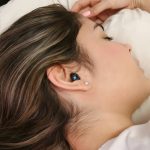
Living with a snoring partner costs you more than sleep. Research shows chronic sleep disruption from snoring can reduce your sleep quality by up to 50%, leading to irritability, decreased cognitive function, and serious health consequences. If you’ve tried separate rooms, nudging, or white noise machines without success, you’re not

“Over 50 million Americans struggle with some form of tinnitus – 20 million of them struggle at a chronic stage and 2 million has extreme cases.” American Tinnitus Association. Today is Tinnitus awareness week! What is tinnitus? Most people describe tinnitus as a ringing in the ears, but it can

What is insomnia? According to mayoclinic.org – Insomnia is the most prevalent sleep condition that makes it difficult to fall asleep, difficult to stay asleep, or induces you to wake up early and be unable to sleep again. When you wake up, you may still be exhausted. Insomnia may drain not just your energy and

The difference between a troubled night’s sleep and a restful one can be made by developing appropriate sleep habits. People with sleep disorders including insomnia, can all benefit from a set of behaviours and habits referred to as “sleep hygiene” that have been discovered by researchers. To obtain the sleep

Parents of children of all ages, from new-borns and toddlers to school-age children and teenagers, want to know the recommended number of hours of sleep every night. The amount of sleep your child needs to grow, learn, and play varies from person to person, but there are some sensible, science-based

Live music is making a comeback again and we can’t wait to get back out on the road and see our favourite artists again. In addition, it’s easy to forget how vital it is to preserve our hearing while attending concerts, so we’ve compiled a list of the finest concert
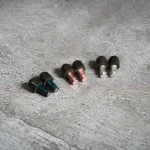
Finding the best earplugs can be difficult as there are so many options in the market. Did you know that different kinds of earplugs serve different purposes? Having a high SNR rating for earplugs does not necessarily mean that they are a good pair to use. Light and pleasant tips
