


 0

Most people can tell you how loud their street is. Far fewer can say how long their ears went without a break from loud sound last week. That gap matters, because noise recovery, the stretch of time after exposure when your hearing, sleep and nervous system return to baseline, is where many daily routines quietly fall apart. Searches for a daily quiet time target usually end in a single number, and that number does not exist in the research. What does exist is a clear set of factors: how loud the sound is, how long it lasts, and how much of your night is interrupted. This article explains those factors, shows where the evidence is solid and where it is thin, and gives you a workable routine built around them.
| Key Insight | Explanation |
|---|---|
| No verified daily hour target exists | Published noise guidance describes factors such as loudness and duration, not a daily quota of silence. Be wary of any single figure that does not cite a study. |
| Loudness and time work together | CDC guidance says the effect of noise on hearing depends on how loud it is and how long it lasts. Brief loud events and long moderate exposure both count. |
| Shouting is your warning sign | If you need to raise your voice to be heard by someone nearby, the sound is too loud for your hearing, according to the CDC. |
| Night noise is a recovery problem | Noise is linked to sleep disturbance, and broken sleep leaves less time for your body to reset after a noisy day. |
| Walk away before you protect | The CDC lists walking away and taking breaks from noise ahead of hearing protection. Use plugs for the exposures you cannot avoid. |
| Fit decides protection | Insert-type plugs only work when they seal the ear canal. Check the seal each time you insert them, and try the next tip size if sound still leaks in. |
| Replace foam tips on schedule | Worn foam tips lose their seal without any obvious sign. Replace ATTENU8 foam tips every six to eight weeks. |
Noise recovery is the stretch of time after a loud or stressful sound exposure when your hearing, sleep and nervous system return to their normal state. In practice, it is the difference between a day on a noisy site that leaves you tired and a day that leaves you tired, irritable and unable to switch off at 10 p.m. The phrase gets used loosely in wellness writing, so it helps to be precise about what it covers.
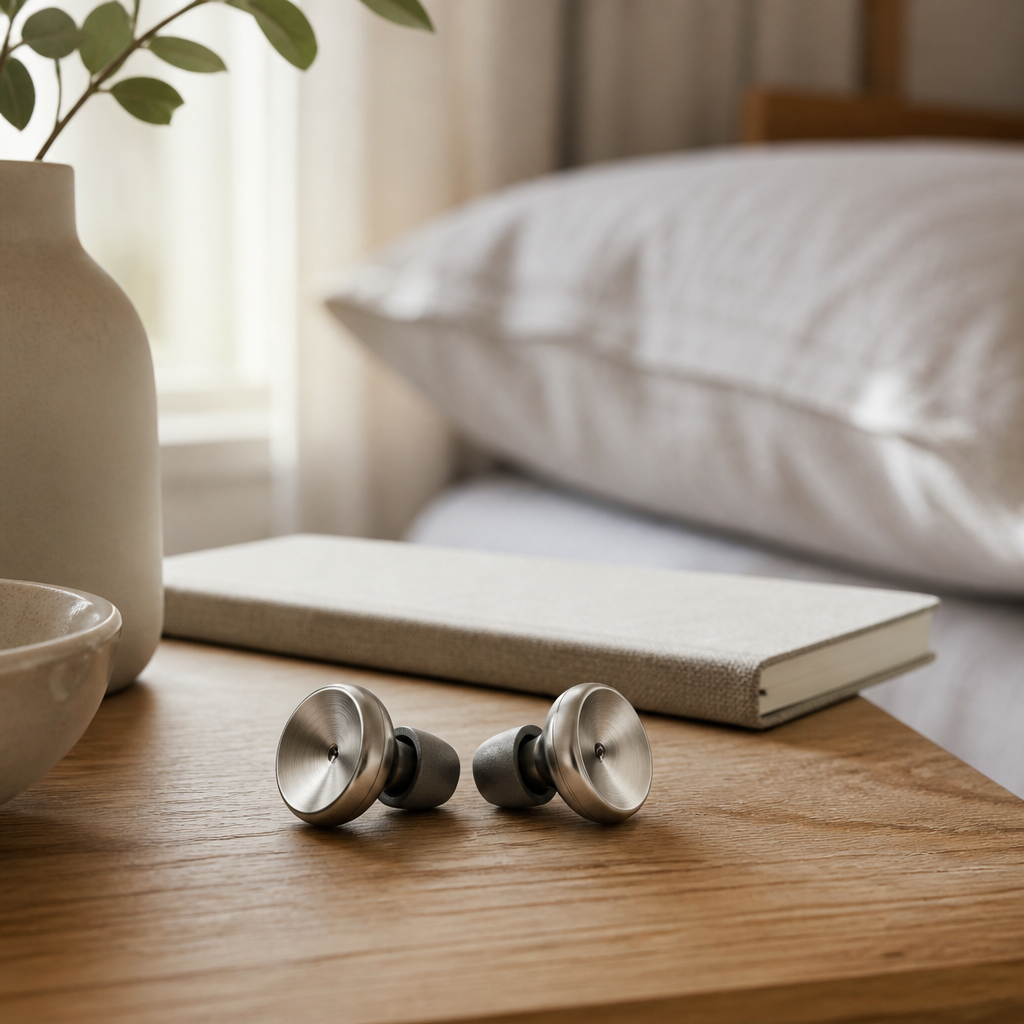
Harvard Medicine’s reporting on noise and health makes the scope clear. Noise pollution is linked to hearing loss and tinnitus, but also to sleep disturbances, stress, and problems with mental health and cognition. Several of those effects, sleep disruption most obviously, show up after the noise has stopped, which is why recovery is a useful way to think about the problem.
Silence is a condition, while recovery is a process. A quiet room at midnight does not cancel out a morning on a loud site or a commute on a busy road. Recovery depends on the total load you carried that day, not only on the minute you are in right now.
If you work around machinery or traffic, the drive home and the evening that follows are part of the same exposure window for your ears, whether or not you notice it. Most people only track the time they spend at the loud job and ignore the rest. That gap is where most recovery plans fail.
Your inner ear converts sound into nerve signals, and your brain processes them, including the sounds you have learned to ignore. Loud input also keeps the stress system active. That is one reason noise shows up in research on the heart. A 2000 review by W. Passchier-Vermeer on noise exposure and public health concludes that noise exposure can induce hearing impairment, hypertension and ischemic heart disease, annoyance, sleep disturbance, and decreased school performance.
Pro tip: Keep a one-week log of loud situations and how you slept afterward. Patterns usually show up within a few days, and they tell you more than any generic hour target.
Many people searching for daily quiet time want one figure, such as two hours or eight hours a day. That number would be convenient, but the research I checked does not support one, and I will not invent it for you. Published noise guidance describes factors, not a daily quota of silence.
Harvard Medicine’s feature makes a related point about measurement. Peter James, an HMS associate professor of population medicine, says that quantifying noise pollution’s contribution to health problems in the United States remains a challenge because of poor measuring and monitoring. That gap makes it harder to determine the best policies and medical practices for care.
The evidence is strongest on the harms of loud noise and on sleep disruption. It is weaker on how much quiet a given person needs to reverse those effects. Researchers can describe risk across populations, but that does not translate neatly into a personal hour count. As James puts it, “The U.S. hasn’t really funded noise control or noise research since the 1980s.” That history explains why personal data is so thin.
If population data is thin, your own pattern is the most useful dataset you have. Track three things for a week: how many hours you spent in loud settings, whether you had to raise your voice at any point, and how you slept. A figure copied from an article cannot tell you any of that.
The most useful quiet target is the one you can measure in your own week, adjusted whenever your noise load changes.
Set that target loosely at first. In practice, the biggest gains usually come from cutting the single loudest exposure in your day, not from adding an extra hour of silence somewhere else.
The CDC’s guidance on preventing noise-induced hearing loss is direct on the core point: the effect of noise on hearing depends on how loud the noise is and how long it lasts. Both variables matter, and neither cancels the other out. A brief blast of loud sound and hours of moderate background noise are both part of your exposure.
The CDC also gives a practical warning sign. If you need to shout to be heard, the sound is too loud and may damage your hearing. It is the most useful field test I know, because it needs no equipment and works in a kitchen, a gym or a job site.
Apply the test to places you rarely think about. Restaurants with hard surfaces, sports events, gyms with weights, and power tools in a home workshop often fail it. If you have to repeat yourself to someone an arm’s length away, the room is already past the point where you should be wearing protection or leaving.
Pro tip: Carry a pair of insert-type ear plugs in your bag for places you cannot leave, such as a concert or a crowded flight. Insert them before the noise starts, not after your ears already feel tired.
Short loud events are easy to dismiss because they end quickly. A sudden alarm, a motorbike passing your window, or a hand dryer at close range can each feel trivial. Repeated across a day, though, they add to the load your ears and nervous system carry, and you rarely notice the total.
The practical fix is to walk away when you can. The CDC lists walking away and taking breaks from noise ahead of other measures, and I agree with that order. Protection comes second, because it works best once you have already removed the easy exposures.
Personal listening devices are one of the most underestimated sources of daily sound load, since you control the volume but rarely check it. The CDC advice to turn the volume down applies directly here. If someone sitting beside you can hear your music, the volume is probably higher than it needs to be.
Sleep is where recovery is most visible and most often disrupted. Harvard Medicine reports estimates that chronic noise exposure disrupts the sleep of 6.5 million people in Europe each year. Those figures come from population modelling, but the mechanism is familiar: a passing lorry or a neighbour’s television can pull you out of lighter sleep without you ever fully waking.
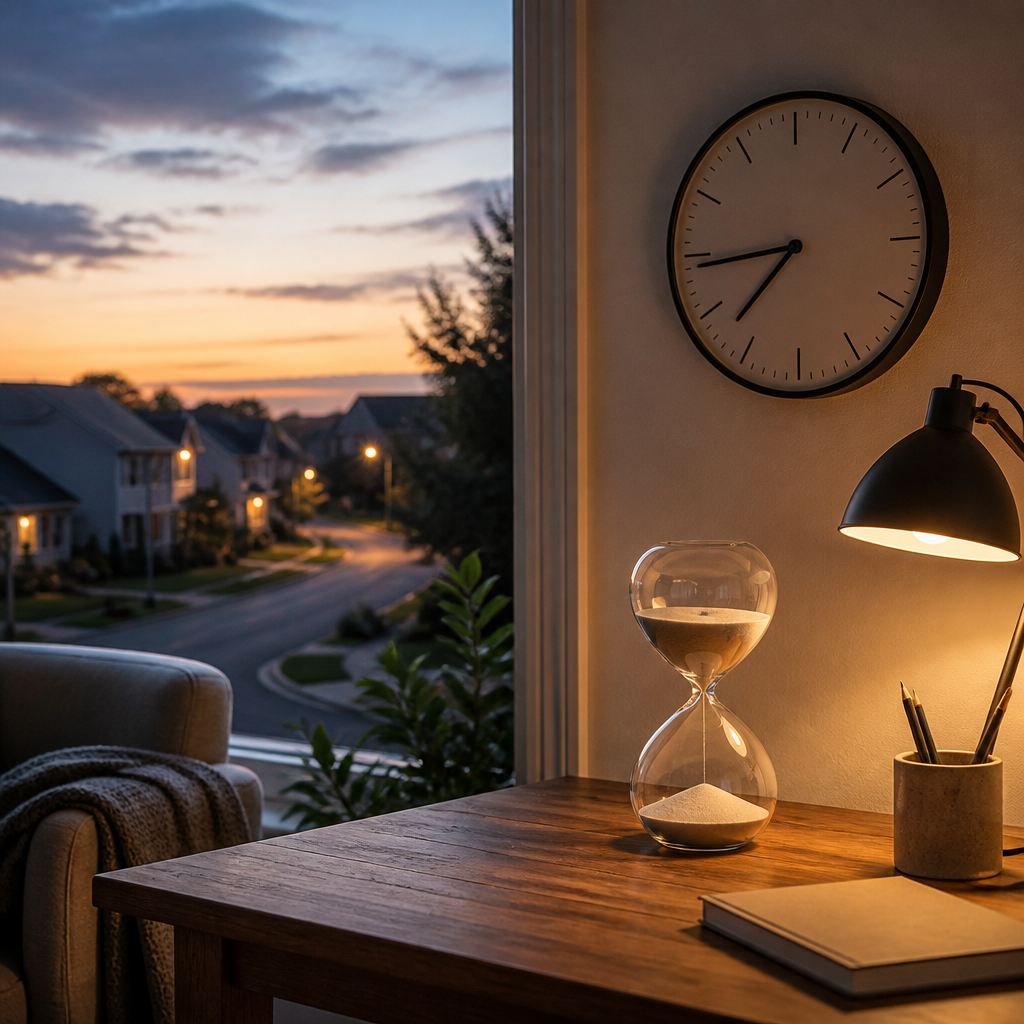
Broken sleep matters for recovery because it leaves less time for the body to reset after a noisy day. Harvard Medicine’s summary of noise research lists sleep disturbances alongside stress and cognitive problems, which suggests these effects travel together rather than as isolated events.
At night, the surroundings are quieter, so a sound that would be background during the day stands out. Intermittent noise is often more disruptive than a steady hum, because the brain keeps checking for the next spike. One late delivery van can cost more sleep than a constant low drone.
The practical fix is to reduce the spikes first. Close windows facing the street, move your bed away from the noisiest wall, and use soft-tipped plugs that seal the canal when the spikes are unavoidable.
Harvard Medicine links chronic noise to cardiovascular disease and cites estimates of 48,000 new cases of heart disease in Europe each year. Again, that is a population estimate rather than a personal forecast. It does tell you that noise is a physical load, not only an annoyance.
The 2000 review by Passchier-Vermeer also lists annoyance among the effects of noise exposure. Annoyance is easy to underrate, yet it can keep you wound up through the evening even when your hearing is fine.
The same review lists decreased school performance among the effects of noise exposure. For families, that is a reason to treat bedroom and study noise as a recovery issue, not a matter of preference. Quiet sleep and quiet study time are both worth protecting, especially when a child’s school results or mood dip without an obvious cause.
Most people choose a quiet time method by price or convenience, then wonder why it does not help. It is more useful to compare methods by where they fit in the day and what they cannot fix. The table below sets out three common approaches side by side.
| Approach | How It Works | Where It Falls Short |
|---|---|---|
| Scheduled breaks from noise | Step into a quieter room or outdoors for set periods, following the CDC advice to take breaks from noise. | Hard to schedule on a busy site or in an open-plan office, and it does nothing for a noisy bedroom at night. |
| Reusable metal-bodied ear plugs with memory foam tips | Insert-type plugs with three tip sizes (XS, S, M), rated at about 32dB noise reduction. Only the foam tips need replacing, every six to eight weeks. | Protection depends on correct fit and tip size, and plugs cannot replace leaving a genuinely loud environment. |
| Single-use foam ear plugs | Low upfront cost and easy to find in most shops. | They need frequent replacement, fit varies from pair to pair, and they are often pushed in carelessly when you are in a hurry. |
The comparison shows why no single method covers everything. Scheduled breaks handle daytime load, while plugs handle the moments you cannot avoid, such as a train or a night beside a noisy neighbour. Neither helps much if you ignore the loudest source in your day.
Reusable plugs cost more at the start, but the sums favour them if you would otherwise go through disposable pairs every week. Be honest about how often you will actually wear them. A cheap pair that stays in the drawer does less good than a better pair you use every night.
The usual mistake is judging a method by its best-case rating. A rating measured under lab conditions assumes a perfect seal. In a real ear, the seal changes with tip size, insertion angle and how the canal feels that day, so the result you get is usually lower than the number on the box.
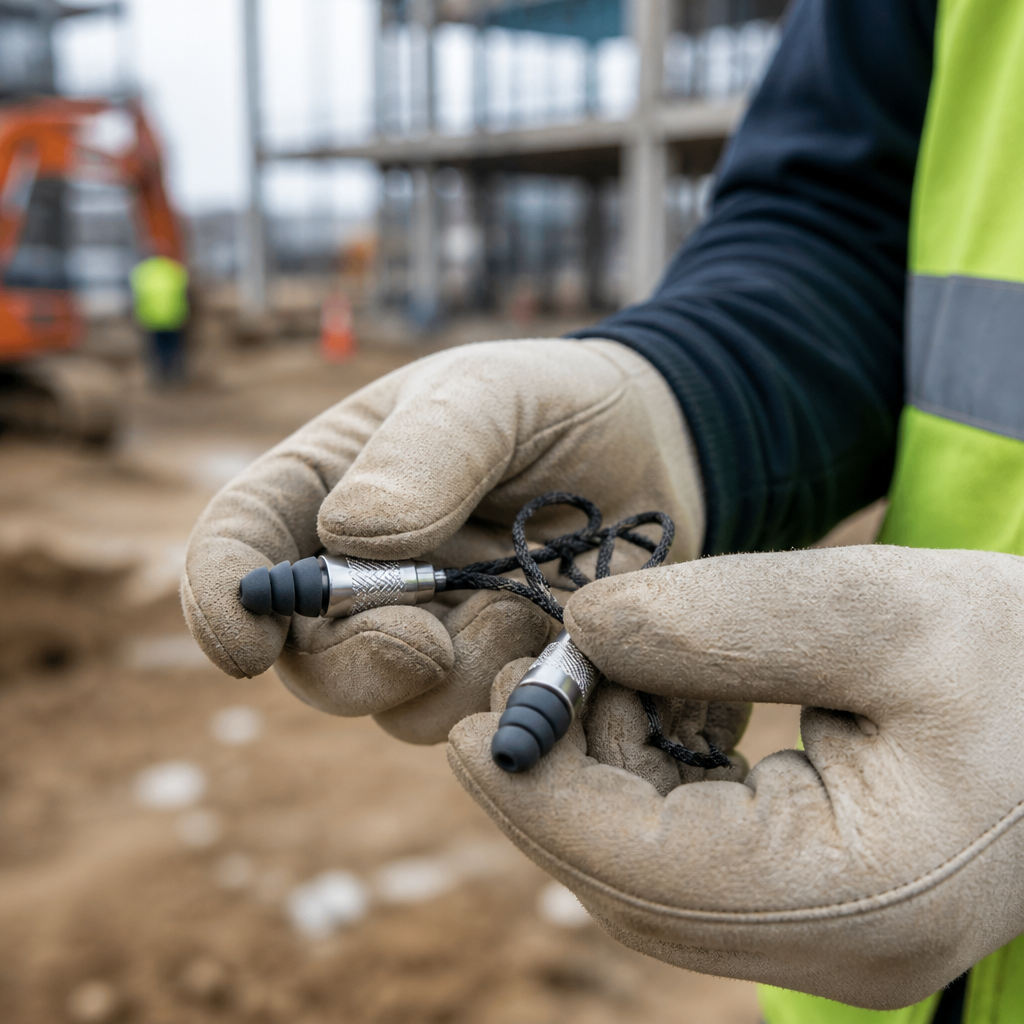
OSHA’s guidance on occupational noise exposure notes that loud noise can create physical and psychological stress, reduce productivity, and interfere with communication and concentration. Those effects are why people in construction, manufacturing and military roles need protection they will actually wear through a full shift.
The CDC lists three common types of hearing protection: insert-type earplugs that are pre-molded, formable or custom-molded; earmuffs; and specially made devices sized to an individual ear. The right choice depends on comfort and on where you will wear it. In my experience, insert-type plugs are easier to wear under helmets and safety glasses, while earmuffs suit people who take protection on and off many times a day.
Metal-bodied reusable plugs sit in the middle. They are compact enough for a pocket, the foam tips do the sealing, and one body lasts far longer than a disposable pair. Their main limit is fit. A tip that is one size too large feels comfortable but can leak sound.
Pro tip: Insert memory foam tips with a gentle twist, then hold them for a few seconds while the foam expands. Pull the outer ear up and back so the canal opens, and check that the outside noise drops away.
If the sound drops noticeably but you still hear a faint hiss, or your own voice sounds boomy, the seal is probably off. Try the next tip size. A proper seal matters more than the highest rating on the packet, and a fit check takes far less time than wearing a poor fit all shift.
Off-duty exposure matters just as much. Workers who go home to a loud house, a noisy commute or a late-night gig keep loading their ears after the shift ends. Using the same plugs in the evening extends protection beyond work hours without buying a second kit.
A good routine starts with your own data, not a generic target. Use the one-week log from earlier to find your three loudest exposures. Most people discover that one commute, one workplace or one evening habit accounts for most of their load.
Next, assign each source a fix. Walk away from the loudest exposure where you can. Take short breaks in a quieter room during high-noise periods. Use plugs for the moments you cannot avoid, and for night-time noise, close the windows or move your bed away from the street.
In the morning, keep the first hour low on input. Switch off the radio you do not need, choose a quieter route if one exists, and push noisy chores such as leaf blowing to a later time if you can. The aim is to avoid starting the day already loaded.
At midday, take one real break. Ten minutes in a quiet space does more for your concentration than a scrolling break with headphones on, because the headphones add sound rather than removing it.
In the evening, create a fixed wind-down window, ideally 30 minutes, with speakers off. Then insert plugs before bed if street or household noise persists. Consistent sleep is the clearest sign that your recovery plan is working.
ATTENU8 ear plugs use a concave aluminium body with three sizes of soft memory foam tips (XS, S, M). Because only the foam tips need replacing, every six to eight weeks, the most important maintenance task is swapping tips on schedule, before they lose shape and seal less well.
Pro tip: Write the date on a note in your drawer each time you swap foam tips. Tips that run past six to eight weeks are often the reason a plug that worked last month suddenly lets sound through.
There is no verified daily number. Published noise guidance focuses on how loud a sound is and how long it lasts, so the most useful target is a personal one. Start by cutting your single loudest daily exposure, then protect a wind-down window before bed.
Not quite. Silence is the absence of sound, while quiet time is a period when you deliberately lower your sound load, which can still include soft music or natural sounds. For many people, a low-noise room with few spikes is more restful than a perfectly silent room that is otherwise stressful.
Use the CDC’s practical test. If you need to shout to be heard by someone nearby, the sound is too loud and may damage your hearing. If you fail that test, move away, take a break, or put on hearing protection before you continue.
They can, provided they seal properly. Choose the tip size that fits your ear, insert the plugs before the noise starts, and replace foam tips every six to eight weeks. Plugs reduce the noise reaching your ears but do not remove the source, so close windows or move away from the noisiest wall where possible.
Contact your doctor. The CDC advises seeing a doctor if you believe you have noise-induced hearing loss, protecting your hearing as much as possible, and taking steps to keep it from getting worse. It also notes there is no medical or surgical treatment for noise-induced hearing loss, so prevention matters most.
Replace them every six to eight weeks as a general rule, or sooner if they look flattened or feel hard. Keep a spare set, since a worn tip can seal poorly without any obvious warning sign.
Tell us in the comments what your current quiet routine looks like and which single change, if any, made the biggest difference to your sleep or your working day.
We would love your feedback and any insights you would share with others. What perspective would you add?

