


 0

If you have spent any time researching premium reusable ear plugs, you have almost certainly landed on both ATTENU8 and Flare Audio as the two most credible metal-bodied options. The ATTENU8 vs Flare Audio question is not trivial. Both products ditch disposable foam. Both use metal bodies. Both cost considerably more than a box of standard pharmacy ear plugs. But once you get past those surface similarities, the differences become sharp and, depending on your use case, decisive. This comparison cuts through the marketing and tells you exactly which product earns its place in your ears.
| Key Insight | Explanation |
|---|---|
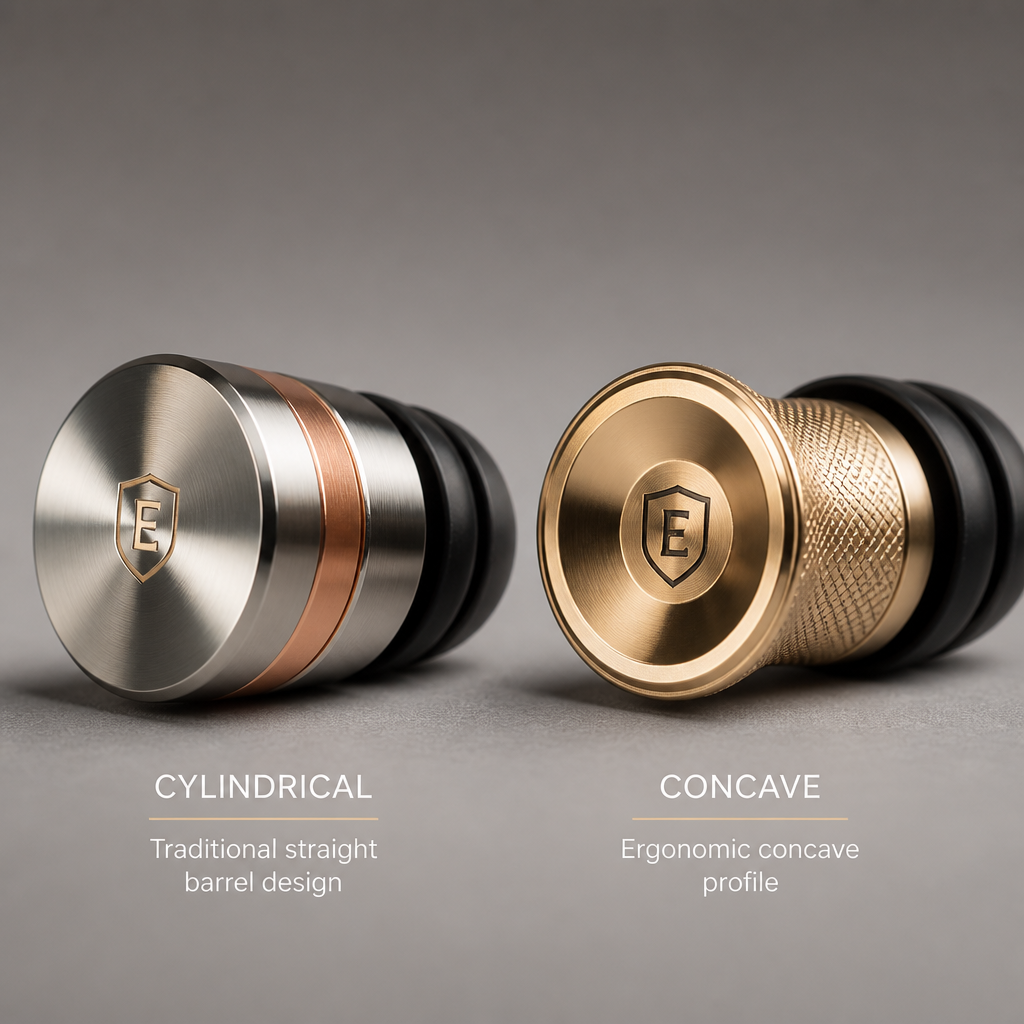
| ATTENU8 is designed first for sleep and comfort | Its concave aluminium body sits flush with the ear, reducing pillow pressure for side sleepers. Flare Audio’s ISOLATE uses a cylindrical body that protrudes further. |
| ATTENU8 delivers approximately 32dB noise reduction (SNR 32) | Flare Audio ISOLATE is CE certified at SNR 30dB for the aluminium version. Both use metal bodies, but ATTENU8’s verified rating is higher. |
| Flare Audio’s roots are in music and concert use | ISOLATE was originally pitched at audiophiles, concert-goers, and motorcyclists. ATTENU8 was engineered specifically for sleep, travel, and noise-sensitive daily wear. |
| Tip replacement cycles differ | ATTENU8 tips need replacing approximately every 6-8 weeks. Both products are reusable and only require foam tip replacement, not full product replacement. |
| SNR and NRR are not the same standard | SNR (European) values run approximately 3-5dB higher than NRR (US) for equivalent products. Comparing raw numbers across different standards misleads you. |
| Metal bodies outperform foam on low-frequency noise | Both products reduce bass-heavy noise sources, such as traffic rumble and machinery hum, more effectively than equivalent-rated foam-only ear plugs. |
| ATTENU8 comes with three tip sizes plus a side-sleeper foam cap | XS, S, and M tips allow a proper seal for different ear canal sizes, plus an optional bottom foam cap specifically addresses pillow-compression discomfort. |
This is where most comparisons go wrong: they treat ATTENU8 and Flare Audio as direct substitutes. They are not. The two products emerged from different design briefs and they show that in every material choice.
Flare Audio launched its ISOLATE range with a music and sound-fidelity audience in mind. The original pitch targeted concert-goers, musicians, motorcyclists, and audiophiles who wanted noise reduction without the muffled, frequency-distorted experience that standard foam ear plugs produce. That audience cares about tonal character during active listening. They wear ear plugs in short, intense bursts, not across eight hours of sleep.
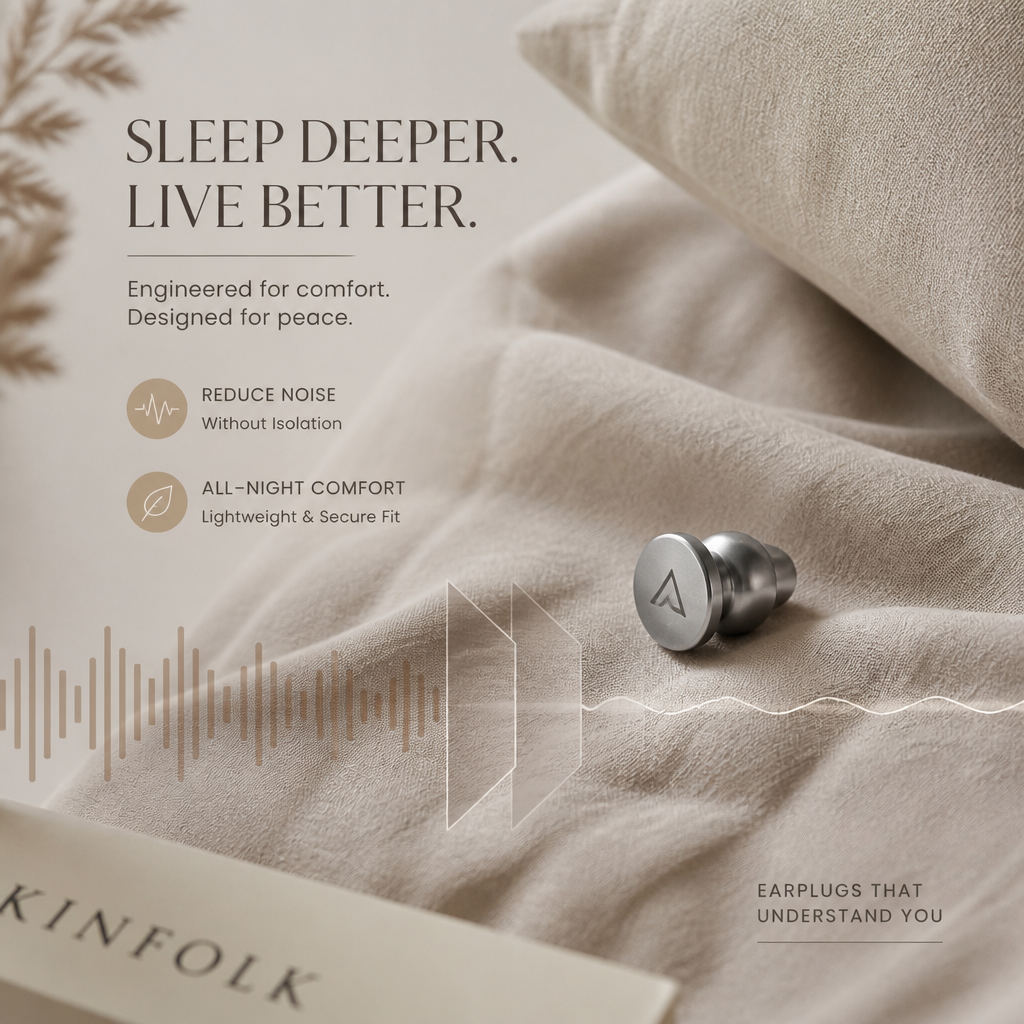
ATTENU8 was engineered for the opposite scenario. The design priority is all-night comfort combined with high attenuation. Light sleepers, frequent travellers, and noise-sensitive individuals who need to stay asleep for hours are the target. The product also serves professionals in construction, manufacturing, and similar loud environments who need reliable protection across a full shift. Those two audiences have very different definitions of what “works.”
Numbers dominate earplug marketing, and they are frequently misread. Here is what the verified figures actually say.
ATTENU8 achieves approximately 32dB noise reduction, certified to CE standard BS EN 352-2. That places it at the high end of what most sleep-focused ear plugs claim, and it is comparable to what professional hearing protection products deliver in industrial settings. The rating is achieved through the interaction between the dense aluminium body and the memory foam tip seal. Low frequencies carry the most energy, and traditional foam ear plugs absorb that energy poorly. The change in density between the metal core and the memory foam addresses that gap more effectively than foam alone.
Flare Audio’s ISOLATE aluminium version is CE certified at SNR 30dB. Flare Audio also produces a titanium variant. The ISOLATE relies on a solid metal body with no acoustic filter, meaning the tip seal is doing almost all of the attenuation work. When the seal is good, the performance is strong. When the seal is imperfect because the cylindrical body does not seat correctly in a given ear shape, real-world attenuation drops meaningfully below the certified figure.
Pro tip: When comparing earplug noise reduction claims, always check whether the figure is an NRR (US standard) or SNR (European standard). SNR values run approximately 3-5dB higher than NRR values for the same product. Direct numerical comparisons between brands using different rating systems are misleading. Both ATTENU8 and Flare Audio use SNR, so their figures are directly comparable on that measure.
A 32dB rated product with a well-engineered memory foam seal will outperform a theoretically higher-rated product with a poor or inconsistent tip fit. Certified attenuation assumes a correct, consistent insertion. Real-world performance follows the fit, not the label.
Both products use metal bodies, and both benefit from that choice. Metal resists compression, maintains dimensional accuracy over thousands of insertion cycles, and does not degrade from contact with skin oils or cleaning agents. The anodised aluminium body on ATTENU8 is additionally resistant to scratches. On durability, both products are a genuine step forward from anything made of plastic or compressible foam.
ATTENU8 uses a concave aluminium body. The outer face curves inward, which means it nestles into the concha of the ear rather than projecting outward. That single design decision changes the product’s entire comfort profile for sleeping and prolonged wear. A concave surface distributes pillow pressure across a wider area when you roll onto your side. A cylindrical body, like the one Flare Audio uses on the ISOLATE, creates a point-load against the pillow and the outer ear. For short wear at a concert or during a commute, that is manageable. Across eight hours of sleep, it is the reason most people abandon the plug before morning.
ATTENU8 also made a specific choice to produce a smaller and lighter profile compared to other metal ear plugs on the market. The dimensions with foam tip attached are 21mm height by 10mm width, and the total weight is approximately 2 grams. That combination of low profile and low weight directly addresses the side-sleeper problem that no amount of noise reduction rating can compensate for.
ATTENU8 includes an optional memory foam cap that attaches to the bottom of the metal body. This cap is specifically designed for side sleepers, providing an additional soft buffer between the earplug body and the pillow surface. Flare Audio does not offer an equivalent. For side sleepers, this is a meaningful differentiator rather than a minor accessory.
Noise reduction rating tells you the maximum potential attenuation under ideal conditions. Comfort determines whether you keep the ear plugs in long enough for that attenuation to matter. For sleep use, comfort is the primary product requirement, not a secondary one.
ATTENU8 ships with three distinct foam tip sizes: XS, S, and M. Ear canal diameter varies meaningfully between individuals, and an ear plug that fits well in one person’s ear canal will leak sound in another’s. A tip that is too small fails to seal. A tip that is too large requires deeper insertion, which increases pressure and discomfort after a few hours. The correct fit creates a gentle seal at the outer portion of the ear canal without requiring forceful insertion. ATTENU8’s three-size system allows most users to find a fit that seals properly without over-insertion.
Flare Audio’s ISOLATE also includes multiple replacement foam tip options and the memory foam tips are described as thermo-reactive, softening with body heat to conform to the canal. Both approaches address the fit problem. The practical difference is that ATTENU8’s concave body means the outer profile stays closer to the ear regardless of tip size, which matters when any pressure is applied from outside.
ATTENU8 uses bio-compatible memory foam for its tips. This is relevant for nightly contact with skin across years of use. The foam is designed to minimise irritation during extended wear, and the wipe-clean coating makes hygiene maintenance straightforward. The metal body can be cleaned with soapy water. For a product used every night, material tolerances and cleaning ease are practical factors that matter more than they do for occasional-use products.
Pro tip: If you are new to metal-bodied ear plugs, start with the medium tip size unless you already know your ear canal runs small. Insert by squeezing the foam tip, sliding the plug gently into position, and allowing body heat to expand the foam to a seal. Do not force the metal body deep into the canal. The seal forms at the entrance to the canal, not deep inside it.
| Feature | ATTENU8 | Flare Audio ISOLATE (Aluminium) |
|---|---|---|
| Body material | Anodised aluminium (concave profile) | Aerospace-grade aluminium (cylindrical profile) |
| Noise reduction rating | SNR 32dB (CE certified BS EN 352-2) | SNR 30dB (CE certified EN 352-2:2020) |
| Tip sizes included | XS, S, M plus side-sleeper bottom foam cap | Multiple sizes of memory foam tips (four pairs included) |
| Primary design intent | Sleep, travel, noise-sensitive daily wear | Concerts, motorsports, loud workplaces |
| Side-sleeper suitability | Specifically designed for side sleeping, low-profile body | Cylindrical body creates pressure when lying on side |
| Tip replacement interval | Approximately every 6-8 weeks | Replacement tips available; interval not specified by manufacturer |
| Acoustic filter | No filter; solid metal and foam seal attenuation | No filter; solid metal and foam tip seal attenuation |
| Weight per plug | Approximately 2 grams | Aluminium version is lightweight; titanium version is marginally heavier |
Both products are reusable and both require only foam tip replacement rather than full product replacement. That shared characteristic already makes them dramatically more cost-effective over time than disposable foam ear plugs, where daily users replace them every one to two days at ongoing cost.
ATTENU8 foam tips are designed to be replaced approximately every 6-8 weeks under regular use. The metal body is indefinitely reusable. The anodised aluminium surface resists scratches and is unaffected by daily cleaning with soap and water. For a nightly user, that means roughly six to eight tip replacements per year, with the core product remaining in service for years. The running cost is the foam tip replacement sets, not the ear plug itself.
The ATTENU8 metal body is straightforward to clean with soapy water. The foam tips can be maintained with a damp cloth between replacement cycles. This matters for a product used in close skin contact every night. Ear canals produce wax, skin oils, and moisture. A product that cannot be cleaned properly will accumulate residue that degrades both hygiene and tip performance over time. The ATTENU8 design makes cleaning a two-minute task rather than a problem.
Flare Audio’s ISOLATE similarly uses replaceable memory foam tips and a metal body that can be cleaned. The maintenance approach is comparable in principle. Both products reward regular cleaning and tip replacement. Neither requires anything beyond basic care.
The honest answer to the ATTENU8 vs Flare Audio question is that the right product depends entirely on your primary use. Neither product is universally superior. But the use cases where each wins are clear.
ATTENU8 is the stronger recommendation for sleep. The concave body, low profile, light weight, optional side-sleeper foam cap, and SNR 32 rating combine to address the specific failure mode of every other earplug in this context, which is that users remove them during the night because of discomfort. Snoring is a mid-to-high frequency noise source that spikes unpredictably. 32dB of attenuation with a low-profile body that survives pillow compression is the specification that matters here, and ATTENU8 delivers it.
Flare Audio’s ISOLATE was built for exactly this scenario. High-energy short-duration wear, where the cylindrical body’s fit issues are not compounded by hours of side-lying pressure. The solid metal construction and SNR 30dB rating provide meaningful hearing protection in these environments. This is a legitimate use case where the ISOLATE performs well on its own terms.
For construction, manufacturing, and similar professional environments requiring sustained hearing protection across a full shift, ATTENU8’s higher attenuation rating and durable aluminium body are the better specification. A metal-bodied plug stored in a carry case arrives undamaged at the job site. A foam disposable stored in a work bag or pocket is compromised before it is even inserted. The SNR 32 rating is viable for environments where noise levels require high attenuation, and the all-day comfort profile means workers actually keep them in.
Aeroplane cabin noise runs in the 75-85dB range, with low-frequency engine drone as the dominant source. Both metal-bodied products handle low-frequency noise better than equivalent-rated foam-only ear plugs. ATTENU8’s compact carry case and low-profile body make it practical across a long-haul flight, including periods where you want to sleep against a seat or window.
ATTENU8 is certified at SNR 32dB and Flare Audio ISOLATE aluminium is certified at SNR 30dB, both under CE standards. Both figures use the same European SNR standard, making them directly comparable. ATTENU8’s certified attenuation is higher. In practice, real-world performance for both products depends heavily on achieving a correct foam tip seal, and ATTENU8’s concave body and three-size tip system make a consistent seal easier to achieve across a wider range of ear shapes.
Yes. The concave aluminium body is specifically designed for this. It sits flush with the ear rather than projecting outward, which distributes pillow pressure across a wider surface area instead of creating a point load. ATTENU8 also includes an optional memory foam cap for the bottom of the plug that provides additional cushioning for side sleepers. Multiple users confirm comfort during side sleeping, noting the metal body does not create the discomfort they expected.
Approximately every 6-8 weeks with regular use. The metal body is indefinitely reusable and only the foam tips require periodic replacement. This makes the ongoing cost of ownership significantly lower than disposable ear plugs, where daily users replace the entire product every one to two days.
The ISOLATE can reduce noise during sleep, but its cylindrical body becomes a limiting factor for most side sleepers. The body protrudes further from the ear than ATTENU8’s concave design, creating pressure discomfort when lying on a pillow. For back sleepers, this is less of a concern. For the majority of people who sleep on their side at least part of the night, the body shape causes enough discomfort to prompt removal before morning, which defeats the purpose.
Yes. Both ATTENU8 and Flare Audio ISOLATE use replaceable memory foam tips that create the acoustic seal in the ear canal. ATTENU8 includes XS, S, and M sizes plus a side-sleeper foam cap. Flare Audio ISOLATE includes four pairs of memory foam tips. Both products’ attenuation performance depends on achieving a proper tip seal, which is why having the right size option for your ear canal matters as much as the metal body specification.
ATTENU8 is the better choice for this specific scenario. Snoring produces mid-to-high frequency noise that can spike to high volumes unpredictably. ATTENU8’s SNR 32dB rating, low-profile concave body, and side-sleeper foam cap directly address the two reasons people abandon ear plugs during the night: insufficient noise blocking and physical discomfort from pillow pressure. The three foam tip sizes also make it likely that most users find a fit that seals properly without over-insertion.
For regular users, yes. The calculation changes quickly once you account for how often disposables need replacing. Daily users of disposable foam ear plugs replace them every one to two days at ongoing per-unit cost. A single pair of ATTENU8 with a few foam tip replacement cycles costs less across twelve months than most disposable habits, and the attenuation quality is higher. The aluminium body lasts for years. The running cost is just the foam tips every six to eight weeks.
Have you tried metal-bodied ear plugs for sleep or work? We would genuinely like to hear how they performed for you and what made the difference.

