


 0
0

Most people grab ear plugs exactly once: when a snoring partner or a loud concert forces their hand. That reactive approach means they spend the rest of their lives absorbing noise that chips away at sleep quality, concentration, hearing health, and general wellbeing. Knowing when to use ear plugs proactively is one of the simplest, highest-return habits you can build. Whether you’re a light sleeper, a professional in a loud industry, or someone who just needs to think clearly in a chaotic world, the right pair of ear plugs transforms ordinary noise-saturated moments into manageable ones.
| Key Insight | Explanation |
|---|---|
| 32dB noise reduction covers most daily situations | A well-fitted ear plug delivering around 32dB NRR brings a loud street or snoring partner down to comfortable, sleep-friendly levels. |
| Fit matters more than NRR rating alone | An ear plug with a high NRR that sits loosely in your ear canal delivers a fraction of its rated protection. Memory foam tips that conform to your canal shape are essential. |
| Reusable metal-bodied plugs outperform disposable foam in comfort and hygiene | Disposable foam compresses down and can irritate the canal. A rigid aluminium body with replaceable foam tips maintains shape and is far easier to keep clean. |
| Chronic noise exposure damages more than hearing | Research links prolonged noise exposure to sleep disorders, anxiety, elevated blood pressure, and difficulty concentrating – not just hearing loss. |
| Ear plugs for everyday use need multiple tip sizes | Ear canals vary significantly between people. Having XS, S, and M tip options means you can dial in a seal that is both protective and comfortable enough to wear for hours. |
| Tip replacement beats full replacement | Premium reusable ear plugs require only foam tip replacement every 6 to 8 weeks, not whole-unit replacement, making them far more economical over time. |
| Proactive use beats reactive use | Waiting until noise becomes unbearable means you have already absorbed the damage. Inserting ear plugs before you enter a loud environment is the only approach that actually protects hearing. |
Sleep is the clearest case for ear plug use, and it is where most people first make the switch from doing nothing to doing something. Snoring partners, traffic noise, neighbour activity, and early-morning deliveries all fragment sleep in ways that accumulate over weeks and months. Research published in peer-reviewed literature has linked occupational and environmental noise exposure to measurably worse sleep quality, including more nighttime waking and reduced restorative sleep stages.
The practical test is simple: if you are lying awake or waking repeatedly because of sound, your environment is too loud for your sleep threshold. Ear plugs rated around 32dB NRR bring a loud snorer or a busy street down to a level most light sleepers can sleep through.
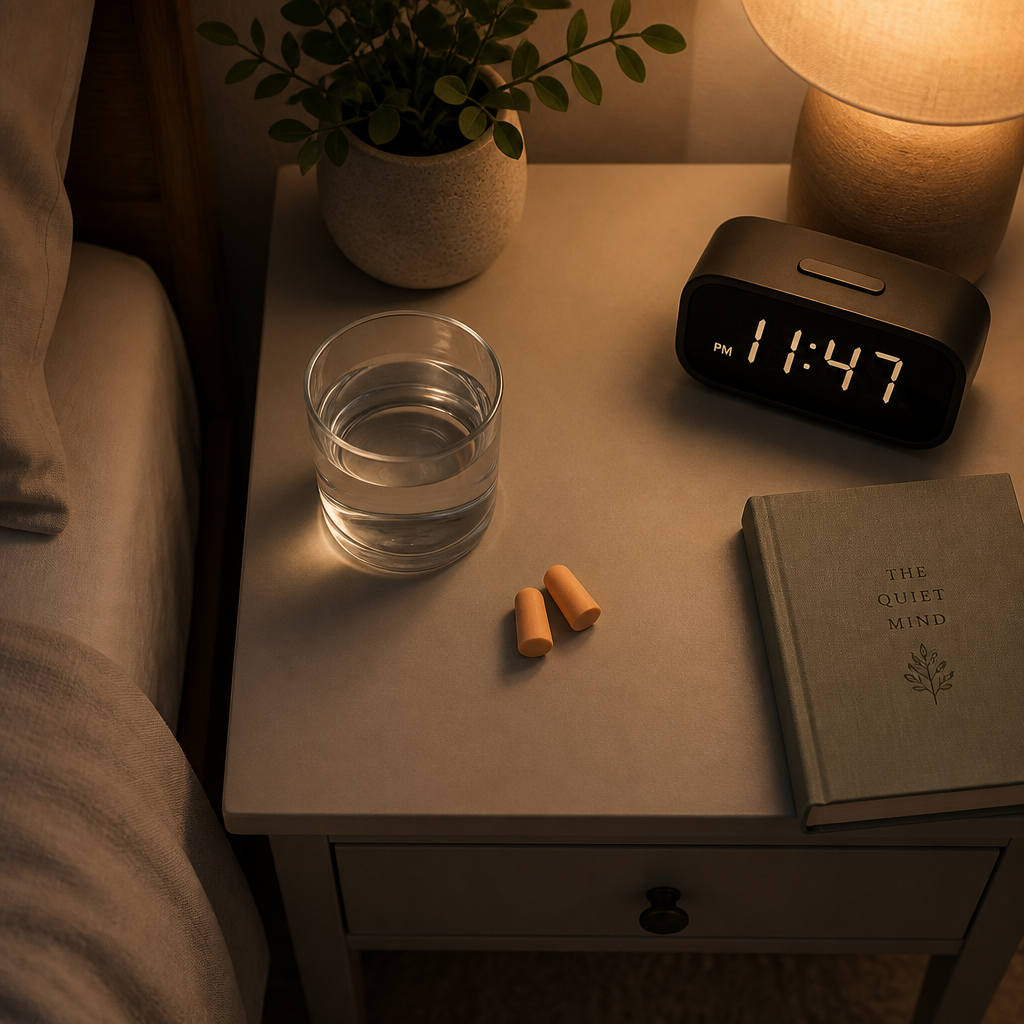
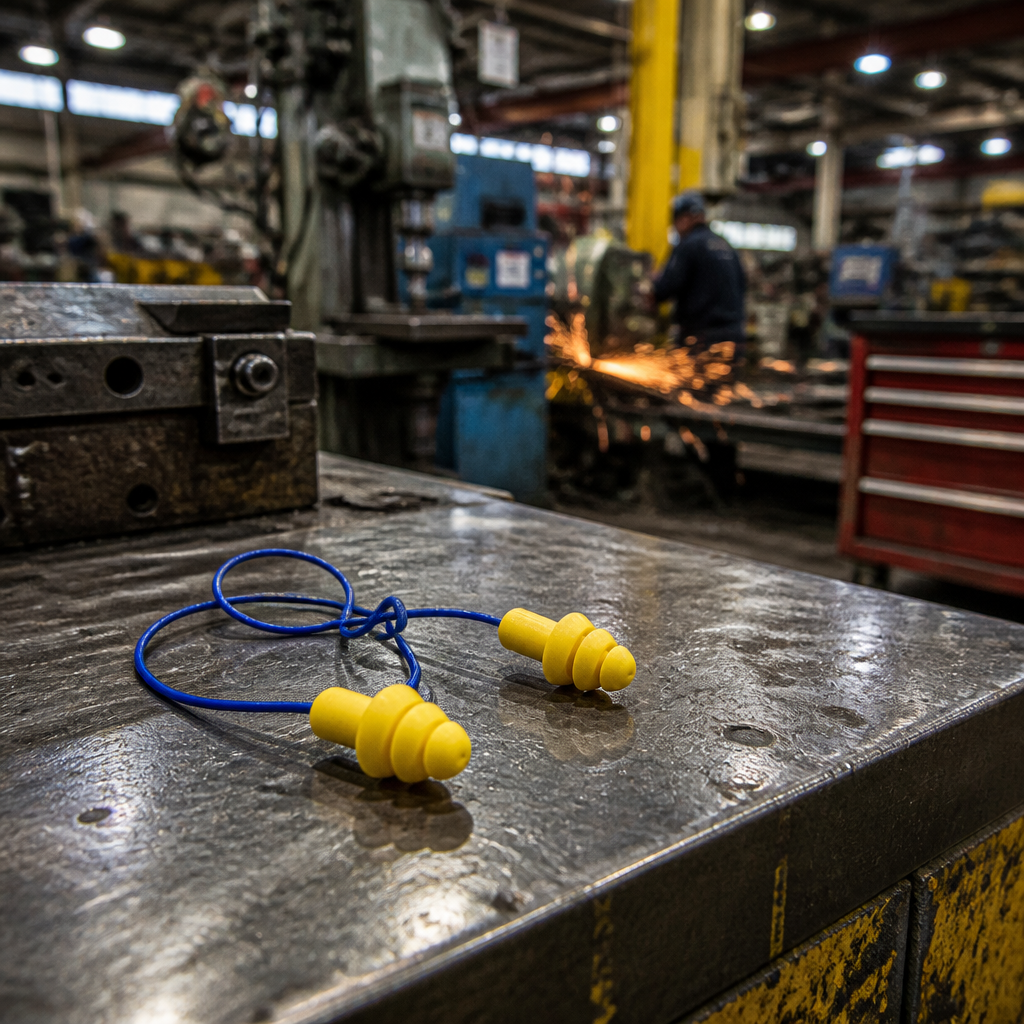
The biggest friction point with sleep ear plugs is comfort during side sleeping. Standard disposable foam expands against the ear canal, which works fine lying on your back but creates painful pressure when you roll onto your side. A metal-bodied plug with a low-profile concave design sits flush against the outer ear rather than protruding, which makes side sleeping far more comfortable. ATTENU8’s aluminium-bodied plugs were specifically designed with this geometry in mind.
Pro tip: Insert your ear plugs before you get into bed, not after you have already been disturbed. The ritual of insertion also signals to your nervous system that sleep is starting, which can marginally speed up sleep onset.
This is not a lifestyle preference. It is a safety requirement. Power tools, pneumatic equipment, heavy machinery, and concrete cutting all generate noise levels that cause permanent hearing damage with repeated exposure. The threshold at which sustained noise begins to cause damage is generally cited at around 85 decibels, and most active construction environments exceed that considerably.
Why disposable foam plugs often fail in this context
Workers in loud environments typically wear hearing protection for entire shifts, sometimes six to eight hours at a stretch. Disposable foam plugs that are rolled down and inserted become uncomfortable within an hour or two, leading workers to partially remove them or wear them loosely, which dramatically reduces their actual protection. A reusable plug with a structured body and correctly sized memory foam tips maintains its seal and its comfort across a full shift.
There is also the hygiene factor. Construction workers handle dusty, oily, and contaminated materials throughout the day. A metal-bodied plug that can be wiped clean between uses is meaningfully more hygienic than a soft foam plug that absorbs whatever is on your fingertips during insertion.
Pro tip: If you work in an environment where you need to communicate intermittently, choose ear plugs with the right NRR for the loudest tasks rather than the average noise level. You can remove them briefly for conversation, but you cannot un-damage hearing that was unprotected during peak-noise moments.
The sustained drone of aircraft engines and the unpredictable noise bursts of trains, buses, and subways are genuinely fatiguing. Cabin noise on commercial aircraft typically sits in the 80 to 85 decibel range for the duration of a flight, which is well above comfortable background levels for extended periods.
Beyond volume, the low-frequency rumble of engines and turbines triggers a physiological stress response in many people, elevating cortisol and reducing the restorative quality of in-flight sleep. Ear plugs for travel address this directly, without the cost and bulk of active noise-cancelling headphones.
For travel specifically, reusable plugs stored in a compact carry case make practical sense. You do not want to be fishing loose disposable foam out of a jacket pocket at 30,000 feet. A premium reusable pair lives in your hand luggage and is ready whenever you need it, including on layovers and during the taxi to the gate.
Open cafes, shared libraries, co-working spaces, and home environments with other people present are genuinely hostile to sustained concentration. Noise forces the brain to allocate cognitive resources to filtering out irrelevant sound, which leaves less capacity for the actual task at hand. For ear plugs everyday use, focus work is one of the most consistent use cases.
The type of noise matters. Speech is more disruptive to reading and writing tasks than ambient music or white noise, because the language-processing parts of your brain try to parse every overheard conversation even when you consciously try to ignore it. Ear plugs that knock back ambient sound enough to make nearby conversations inaudible can therefore have a disproportionate effect on cognitive performance.
Noise is not just an annoyance. It is a measurable tax on cognitive performance, and reducing it has a direct effect on output quality and mental fatigue levels.
A common mistake is reaching for heavy noise-cancelling headphones when a good pair of ear plugs would do the job more simply, more comfortably, and without needing a battery charge. For study sessions lasting two to four hours, ear plugs are frequently the more practical tool.
Live music venues routinely operate at sound levels above 100 decibels, and some nightclubs and festival stages push significantly higher. Hearing damage from a single event at these levels is entirely possible. The tell-tale ringing after a loud concert, called tinnitus, is your auditory system signalling that it has been pushed past its safe limit.
The legitimate concern people raise about wearing ear plugs at concerts is that they will ruin the experience. This concern is valid for single-use foam plugs that reduce all frequencies uniformly and make music sound muffled and distant. However, a well-fitted memory foam tip inside a structured plug body provides more consistent seal geometry, which results in more even frequency attenuation rather than the bass-heavy muffling of loosely fitting foam.
The standard is straightforward: if you want to attend live music events across a lifetime without tinnitus or progressive hearing loss, ear plugs are not optional. The choice is between a slightly adjusted listening experience now and permanent hearing damage later.
Night shift workers, emergency services personnel, and anyone on a rotating roster face a specific challenge: the world around them operates on a daytime schedule. Traffic peaks, neighbours start lawn mowers, delivery drivers ring doorbells, and construction begins at exactly the hours these workers need to sleep.
Noise reduction for daytime sleep is different in character from overnight sleep. Daytime ambient sound levels are higher on average, and the noise events are more varied and unpredictable. Ear plugs rated around 32dB NRR are particularly effective here because they flatten the overall noise floor enough to make the sudden, sharp sounds that cause waking, like a car horn or a door slam, less likely to breach the threshold needed to rouse a sleeping person.
Shift workers also tend to need ear plugs that they can insert and remove repeatedly without the hygiene degradation that comes with disposable foam. A reusable plug that can be kept next to the bed, wiped down between uses, and fitted with fresh tips every six to eight weeks suits this pattern of use far better than single-use alternatives.
For people with heightened sensitivity to sound, including those with anxiety disorders, autism spectrum conditions, misophonia, or sensory processing differences, noise reduction in daily life is not a comfort preference. It is a functional necessity. Exposure to ambient noise that others find unremarkable can trigger genuine physiological stress responses in people with these conditions.
Research has established links between chronic noise exposure and increased anxiety, depression, and difficulty with concentration, and these effects are amplified in individuals who already have heightened sensory sensitivity. Ear plugs do not eliminate environmental awareness entirely at 32dB NRR, but they remove the sharp, unpredictable sound spikes that are most likely to trigger an anxious response.
The key for this use case is comfort over extended wear. If ear plugs are uncomfortable after 20 minutes, they will not be worn consistently. Memory foam tips in the correct size, housed in a rigid body that does not shift with jaw movement or head turning, are essential for people who need to wear them for hours at a time across diverse daily environments.
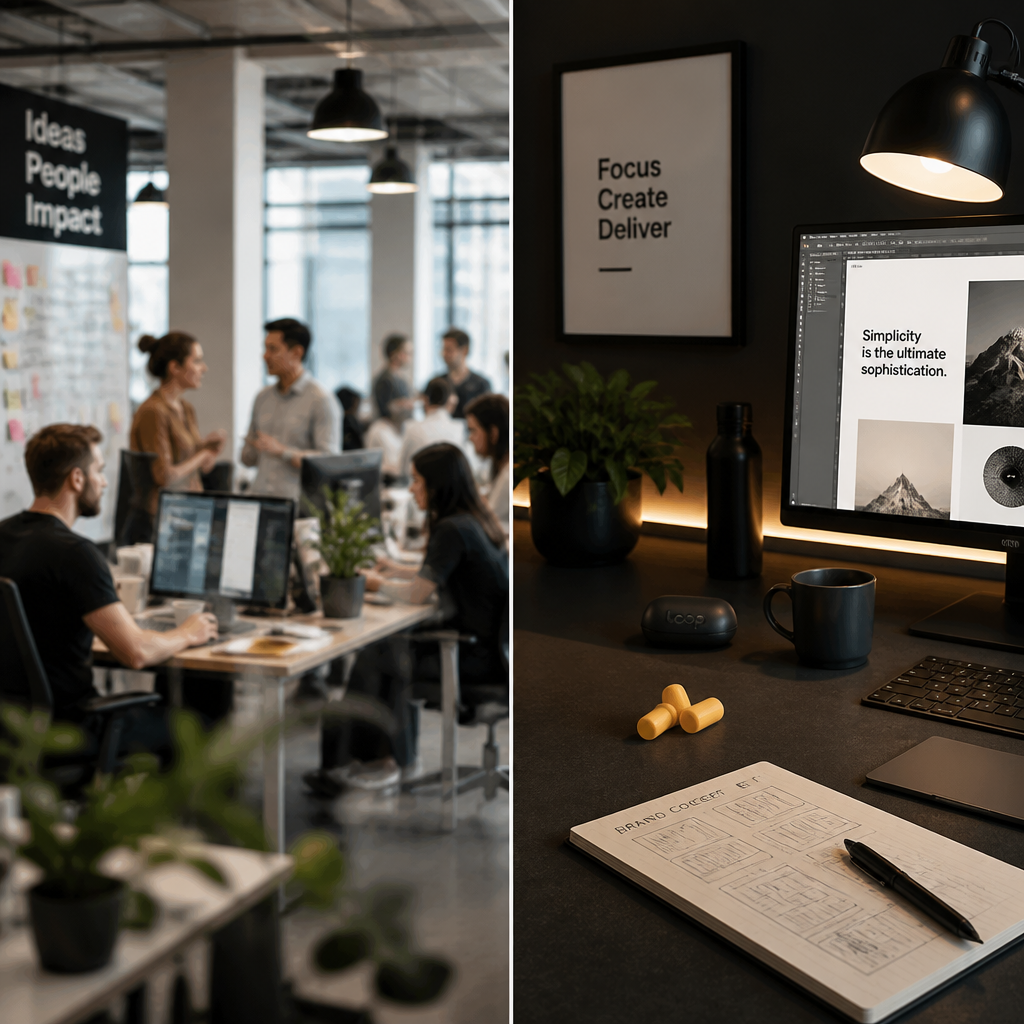
Open-plan office design was supposed to foster collaboration. In practice, the research literature on office acoustics has consistently shown it frequently creates environments that are worse for both focus work and communication quality than private offices or properly partitioned spaces. The ambient noise of keyboards, phone conversations, HVAC systems, and foot traffic creates a background noise floor that many workers find genuinely exhausting over a full working day.
The office context has unique requirements. You cannot wear ear plugs so effective that you cannot hear your name called or participate in a sudden conversation. You also need something discreet enough that it does not invite constant questions from colleagues. A compact, low-profile ear plug with a modest noise reduction level, or a premium plug that sits nearly flush with the outer ear, works far better than brightly coloured industrial foam that signals “do not disturb” to the entire floor.
ATTENU8’s aluminium-bodied design with its concave profile sits close to the ear and is visually unobtrusive, which matters in professional settings where appearance is relevant. Pair that with the ability to swap between tip sizes to dial in your preferred level of noise attenuation, and you have a practical office tool rather than a blunt industrial instrument.
Gunfire and high-performance engines represent some of the most acutely dangerous noise exposures most recreational users will ever encounter. A single gunshot can reach peak levels well above 140 decibels at the shooter’s ear position, which is above the threshold for immediate, irreversible hearing damage with even brief unprotected exposure.
For shooting sports, ear plugs are typically used in combination with over-ear muffs for maximum protection, with the plugs serving as the first line of defence even if muffs are removed momentarily. For motorsport spectators and participants, the sustained high-frequency noise of engines at race speeds creates cumulative exposure risk across an event that lasts hours.
In both contexts, the durability and reusability of a metal-bodied plug matters. You are not going to stop between sets on the range to find a fresh pair of disposable foam. You need a plug that is ready to go, fits reliably every time, and does not degrade after repeated insertions and removals.
DIY home renovation has a hearing protection problem. Professionals on worksites typically have access to PPE and a site supervisor with enforcement responsibility. The person running a circular saw or angle grinder in their garage on a weekend has neither. Power tools used in enclosed spaces generate noise levels that rival industrial equipment, and the intermittent nature of weekend projects tricks people into thinking the exposure does not add up.
It does. Repeated short exposures to high-level noise without protection accumulate damage over years. A person who does regular home maintenance or renovation projects without hearing protection is making the same error as someone who skips sunscreen on short outdoor stints, because the damage is invisible until it is permanent.
Keeping a premium reusable pair of ear plugs in your tool bag, rather than searching for disposable foam every time you start a project, is the most reliable way to ensure you actually use them. The ease of access removes the most common excuse: that the noise had already started before you found your protection.
Not all ear plugs are built for all situations. The table below compares the three main types across the ten situations covered in this article, so you can match the right tool to your actual use case.
| Situation | Disposable Foam | Reusable Flanged Silicone | Premium Metal-Bodied with Memory Foam Tips (e.g., ATTENU8) |
|---|---|---|---|
| Sleep (nightly use) | Adequate but uncomfortable for side sleepers; degrades quickly | Comfortable but often lower NRR; can feel bulky | Best option: low-profile concave body, consistent seal, washable |
| Industrial / construction | High NRR but hygiene degrades fast; uncomfortable over full shifts | Good for mid-shift; can loosen with movement | Durable, hygienic, maintains seal; tip replacement every 6-8 weeks |
| Travel | Easy but generates waste; loose in pocket | Reusable but often bulkier carry case required | Compact, carry-case ready, reusable across trips |
| Focus / study | Works but uncomfortable after 1-2 hours | Acceptable comfort; limited NRR range | Multiple tip sizes allow comfort tuning for long sessions |
| Concerts / events | Muffled sound quality; poor aesthetics | Reasonable but variable seal quality | Consistent attenuation with better frequency balance than loose foam |
| Shooting range | High NRR; acceptable for occasional use | Lower NRR may not suffice alone | Durable for repeated insertions; pairs well with over-ear muffs |
| Office use | Visible and conspicuous; not appropriate professionally | More discreet; variable fit | Most discreet option; low-profile aluminium body suits office settings |
Yes, provided you keep them clean and use correctly sized tips. The main risks associated with daily ear plug use are ear canal irritation from ill-fitting plugs and wax build-up from blocking the natural migration of cerumen out of the canal. Both risks are manageable: use the correct tip size for your ear canal, keep your plugs clean, and allow your ears regular rest periods during the day. Premium reusable plugs with replaceable memory foam tips are better suited to daily use than disposable foam, which can introduce bacteria from handling and gradually loses its resilience.
For most sleep situations involving snoring, traffic, or urban ambient noise, a plug rated around 32dB NRR is more than sufficient. The practical noise reduction you experience depends heavily on fit, not just the rated number. A 32dB plug with a correct seal will outperform a 35dB plug that sits loosely. Focus on finding the right tip size for your ear canal first, and the NRR rating will take care of itself.
A metal-bodied reusable ear plug is significantly more hygienic than disposable foam for daily users. The aluminium body can be wiped clean after use, and the replaceable memory foam tips are swapped out every six to eight weeks rather than accumulating oils and bacteria through repeated use. The critical hygiene practice is hand washing before insertion, which applies regardless of plug type.
The most reliable indicator is sound. If you insert your ear plugs and nearby speech drops to a low murmur and general ambient noise feels significantly quieter, you have a good seal. If you can still hear conversations clearly or the noise level feels almost unchanged, the plug is either the wrong size for your canal or has not been seated properly. With memory foam tips, allow two to three seconds after insertion for the foam to expand and fill the canal before assuming the fit is final.
Noise reduction, which is what ear plugs provide, works by physically blocking sound waves from reaching the ear canal through a passive acoustic barrier. Noise cancellation, as found in electronic headphones, uses microphones to sample ambient sound and generates an opposing sound wave to cancel it electronically. For sleep, construction, and most daily-use situations, passive noise reduction from a well-fitted ear plug is more reliable, lower maintenance, and battery-free. Active noise cancellation performs better with steady low-frequency sounds like aircraft engines but is less effective against sudden, unpredictable noise events.
Ear plugs do not treat tinnitus, but they can prevent the noise-induced damage that causes and worsens it. For people already experiencing tinnitus, wearing ear plugs in loud environments prevents further deterioration of the underlying hearing sensitivity. Some tinnitus sufferers also find that wearing ear plugs in very quiet environments paradoxically makes tinnitus more noticeable by removing the ambient noise that masks it, so this is worth testing on an individual basis before adopting full-time wear in quiet settings.
Start with the medium size, which fits most adults. If the plug feels like it is sitting at the entrance to the canal rather than seating inside it, or if it falls out easily, try small. If you have discomfort or pressure pain with medium and the plug feels like it is being forced into a canal that is too narrow, try extra small. The goal is a seal that feels snug without pressure or pain, and that does not shift when you move your jaw. ATTENU8 includes all three sizes with each pair so you can test all options.
Have you found a situation where ear plugs made a bigger difference than you expected? Share your experience in the comments below.

