


 0
0

Most Kickstarter campaigns spend weeks or months building momentum before they see meaningful traction. The ATTENU8 Kickstarter campaign hit 127% of its funding goal within the first 24 hours of going live. That speed is not a marketing achievement. It is a signal that the audience already knew their problem, had already tried cheaper alternatives, and had already decided those alternatives were not good enough. This is the story of how a Singapore-based startup, SoundBlock Asia, identified a real gap in the ear plug market, built a product that addressed it properly, and validated that product through crowdfunding before scaling to retail.
| Key Insight | Explanation |
|---|---|
| 127% funded in 24 hours | ATTENU8 exceeded its Kickstarter goal within the first day, confirming strong pre-existing demand rather than manufactured hype. |
| 333 backers, S$18,024 pledged | The campaign raised over three and a half times its S$5,000 target, with a community of early adopters invested in the product’s success from day one. |
| Founded by Marissa Tang of SoundBlock Asia | The brand was built by a Singapore-based startup that identified a specific fit problem with traditional foam ear plugs and built a solution from the ground up. |
| Metal body is the core differentiator | The solid aluminium construction provides durability and noise reduction that plastic and foam bodies cannot match, and it acts as a credibility signal on the Kickstarter page before the product is even tested. |
| Tip replacement every 6 to 8 weeks, not daily | Users replace only the memory foam tips at intervals, not the entire unit, making ATTENU8 dramatically less wasteful than disposable foam ear plugs discarded after a single use. |
| 32dB noise reduction from a passive design | No batteries, no electronics, no charging. The attenuation comes entirely from the density change between the aluminium body and the memory foam tip, making the product genuinely maintenance-free. |
| Crowdfunding validated the market before full production | The Kickstarter result confirmed that light sleepers, travellers, and professionals in noisy environments were actively searching for a better option and were not satisfied with what existed. |
The ear plug category has a fit problem that manufacturers of disposable foam plugs have never had to solve. When you sell a product that is used once and thrown away, you are not rewarded for making it work well every time. You are rewarded for making it cheap enough to buy in bulk. The result is a product that compresses unevenly, fails to seal properly in many ear canals, and degrades within hours of insertion.
Marissa Tang, founder and CEO of SoundBlock Asia, observed this directly during the COVID-19 pandemic. As more people shifted to working from home, demand for ear plugs increased sharply. People who had never needed hearing protection in an office environment were suddenly trying to block out household noise, neighbour sounds, and shared-space distractions. Most of them reached for cheap foam plugs and found them unsatisfying.
“Typically, the default option for ear plugs are the foam ones as it is a cheaper alternative. However, many struggle to attain the right fit as it’s too soft and malleable, adversely affecting sound reduction.” Marissa Tang, founder of SoundBlock Asia, via EIN Presswire.
The product development process involved prototyping and one-on-one interviews with potential users, specifically to identify how fit could be improved. The answer was not a better foam formula. It was a structural one: pair a rigid metal body with sized memory foam tips so that the fit is consistent, repeatable, and not dependent on how well the user can roll and compress a soft plug under time pressure in a dark room.
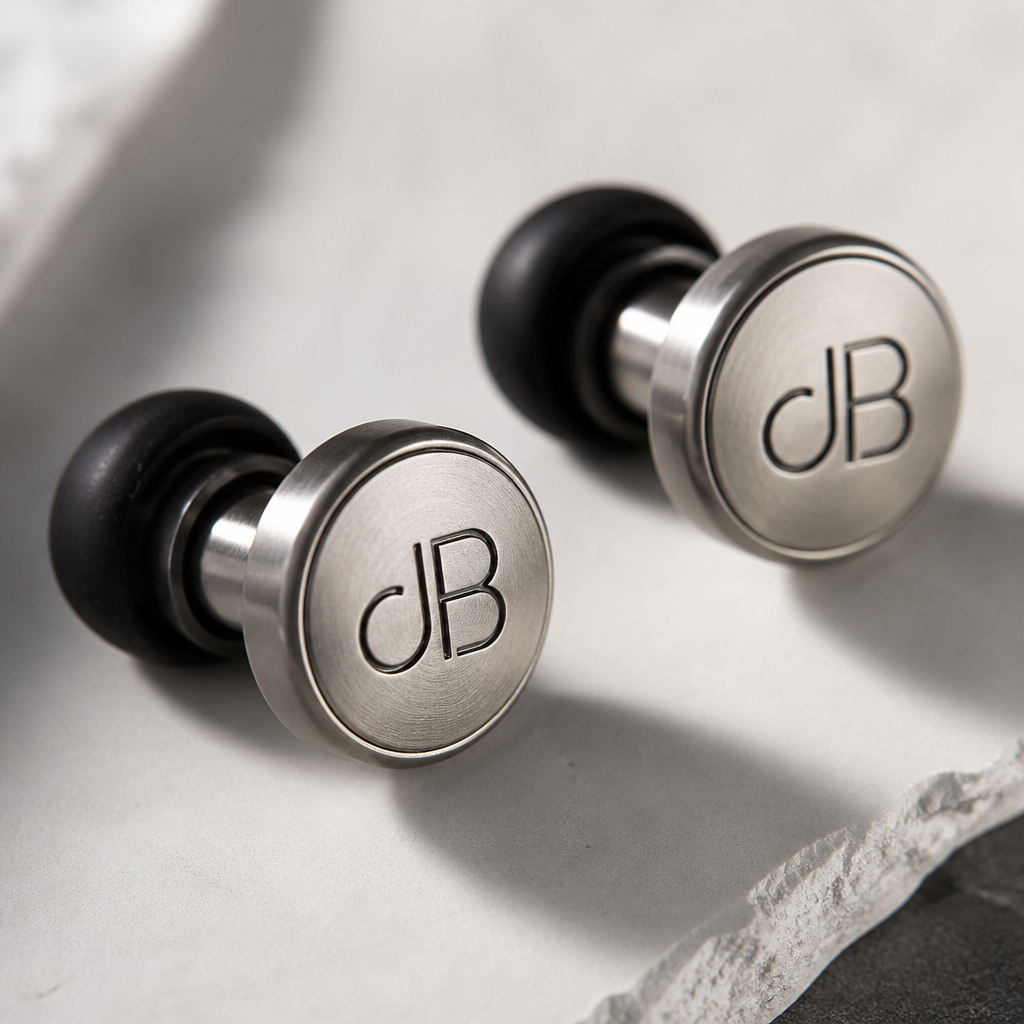
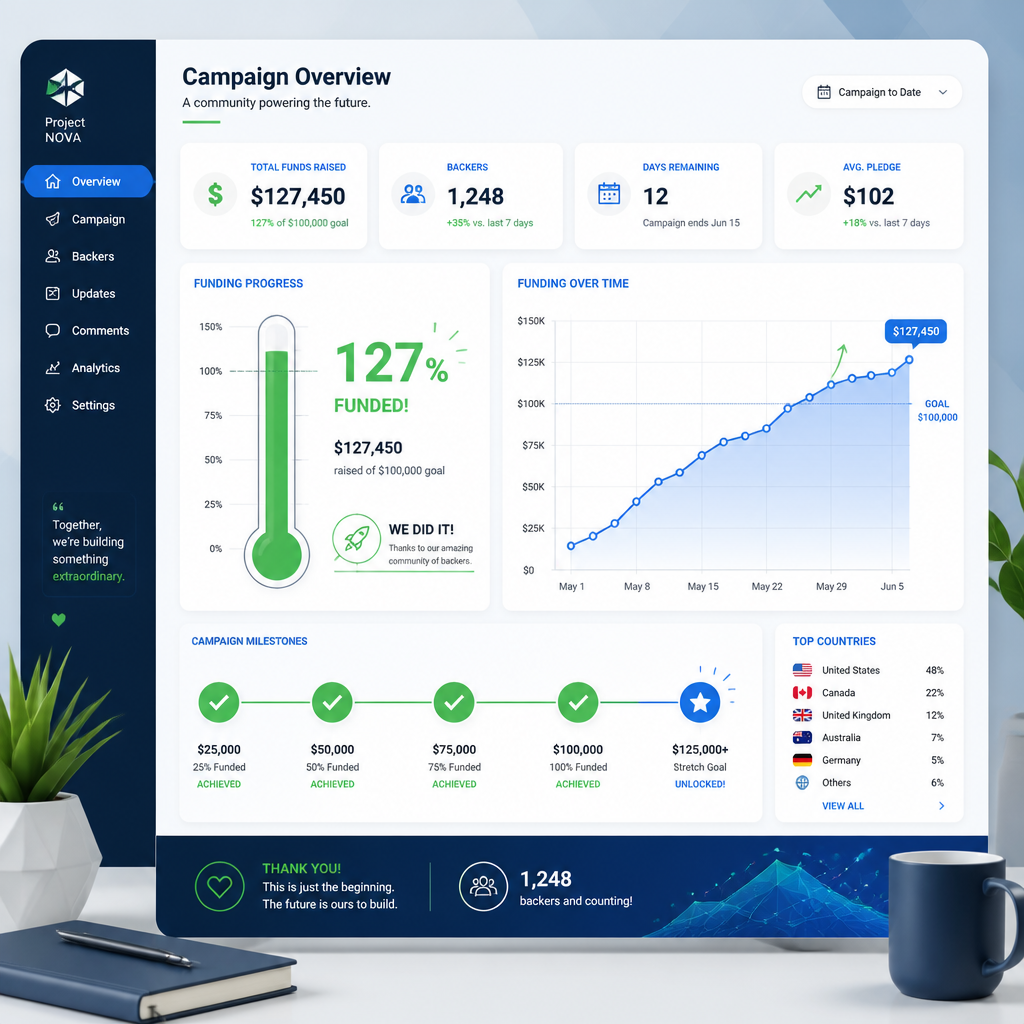
The ATTENU8 Kickstarter campaign launched with a S$5,000 funding goal. It closed with 333 backers having pledged S$18,024. That is a final tally of over 360% of the original target, and it started with the goal being crossed within the first 24 hours of the campaign going live.
The Kickstarter price was set at S$23 per pair. Retail pricing from November of that year was set at S$28. That pricing structure is deliberate: it rewards early adopters with a meaningful discount for taking the early-stage risk, and it sets a retail price that positions the product as premium without being inaccessible.
Why the S$5,000 Goal Was Set Where It Was
A low initial goal on Kickstarter is sometimes a cynical move designed to generate “funded” headlines cheaply. In ATTENU8’s case, the goal reflected a genuine minimum viable production run rather than a performance target. The speed at which it was exceeded revealed actual market size, not just headline-ready optics. When a product triples or quadruples its goal, that data is useful for production planning, supplier negotiations, and investor conversations in ways that hitting a large goal at the wire simply is not.
The campaign closed on 8 September 2021. The timeline between the June 2021 pre-launch announcement and the September close gave SoundBlock Asia a window to build awareness through press coverage, early community engagement, and word-of-mouth from people who had already been using prototypes.
Pro tip: If you backed ATTENU8 on Kickstarter and are now using your pair daily, the foam tips are due for replacement every 6 to 8 weeks. Check the ATTENU8 website for replacement tip availability so your noise reduction performance stays consistent rather than degrading gradually without you noticing.
Backers on Kickstarter are not passive consumers. They are people who have already tried the mainstream options, found them lacking, and are willing to pre-fund a product that promises something better. For ear plugs specifically, the mainstream option is a disposable foam cylinder that has not meaningfully changed in decades.
ATTENU8 appealed to three distinct groups. Light sleepers and people sensitive to noise who had tried every foam plug on the market and found that either the fit was uncomfortable for side sleeping or the plugs fell out by morning. Travellers who needed reliable noise reduction on planes and in hotels without carrying fragile or bulky equipment. And professionals in loud environments, including construction workers, musicians, and manufacturing staff, who needed hearing protection they could trust to perform consistently shift after shift rather than having to buy and discard plugs daily.
The concave aluminium body does more than house the foam tip. It gives users a grip point for insertion and removal that matters enormously in practice: removing ear plugs half-asleep in the middle of the night, or during turbulence in a cabin with a seatbelt on, is a genuinely different experience with a rigid metal body versus a soft foam cylinder. The design communicates that this product was engineered for repeated use by someone who had actually thought about the use case.
ATTENU8 also includes an optional foam cap that fits over the base of the metal body. This is specifically for side sleepers, who experience pressure from the hard end of a standard ear plug pressing against the pillow. It is a small detail, but it is exactly the kind of detail that makes a Kickstarter backer trust that the creator understands their problem rather than just solving the obvious version of it.
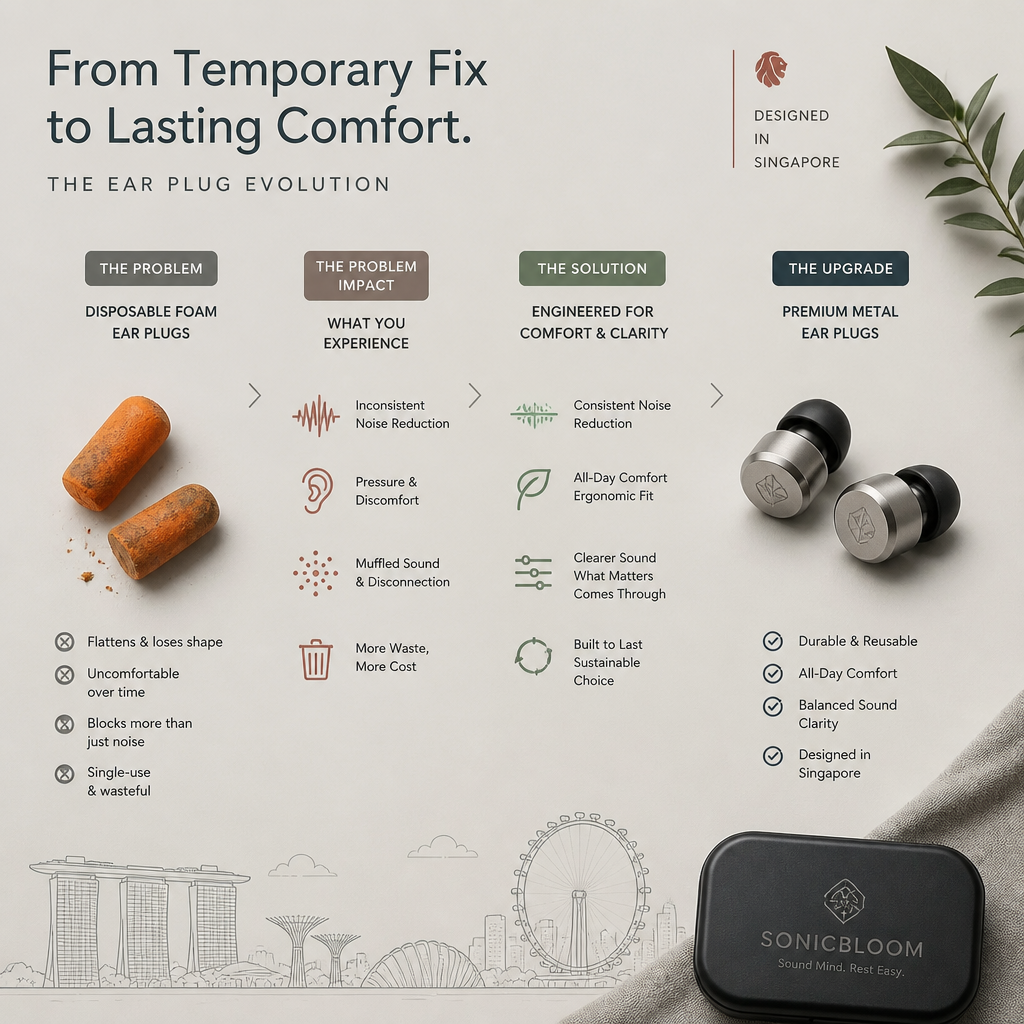
Most ear plugs on the market, including premium options, use plastic for any rigid components. Plastic is light, cheap, and easy to mould. It is also a material that communicates disposability. When you hold a plastic ear plug, you are already in the mental category of “use and discard.” A solid aluminium body changes that mental framing entirely.
Metal communicates permanence. It tells a sceptical buyer that this product was engineered, not assembled from generic components. More importantly, it performs differently. The density difference between aluminium and the surrounding air, combined with the sealed memory foam tip, is what generates the approximately 32dB of noise reduction. There are no batteries, no active electronics, and no charging. The physics of the material does the work.
A disposable foam ear plug is used, at best, a handful of times before it loses its shape and its ability to expand properly in the ear canal. In practice, many users discard them after a single use. A daily foam plug user discards a significant number of pairs per year. The ATTENU8 aluminium body is designed to last for years. The only consumable part is the memory foam tip, replaced every 6 to 8 weeks, at a pace of roughly 7 or 8 tip changes per year.
The metal body can be cleaned with soapy water. The foam tips can be wiped with a damp cloth between replacements. This maintenance cycle is achievable, not aspirational. It does not require special equipment or careful ritual. It is the kind of maintenance that fits into the same routine as cleaning glasses or charging a phone.
Pro tip: Store your ATTENU8 ear plugs in the included case rather than loose in a bag or pocket. The custom foam cut-out protects the memory foam tips from compression damage between uses, which extends tip life closer to the full 8-week cycle rather than forcing earlier replacement from preventable wear.
The reusable ear plug market ATTENU8 entered through Kickstarter has since become competitive. Loop and Flare Audio are two of the most visible alternatives. Understanding how the crowdfunded origin of ATTENU8 shaped its product priorities makes the comparison meaningful rather than just a spec sheet exercise.
| Brand | Body Material | Key Differentiator |
|---|---|---|
| ATTENU8 | Solid aluminium with memory foam tips (XS, S, M) | Maximum passive noise reduction (approx. 32dB), side-sleeper foam cap, tip replacement model reduces long-term waste and cost |
| Loop (au.loopearplugs.com) | Hard plastic with silicone ear tips | Range of models targeting different noise reduction levels and daily use scenarios; strong lifestyle branding and broad retail availability |
| Flare Audio (flareaudio.com) | Metal (titanium or aluminium options) with foam or silicone tips | Audiophile-focused frequency response; strong following among musicians and concert-goers specifically |
The practical difference between ATTENU8 and its main competitors comes down to use case priority. Loop’s product range is designed for broad accessibility, from children to office workers, with models targeting different noise reduction levels. Flare Audio is built around music fidelity, with a following among musicians who want to wear ear protection at concerts without losing sound quality. ATTENU8’s priority is maximum passive attenuation for sleep, travel, and occupational noise, with a build quality that reflects repeated, long-term use rather than occasional wear.
For anyone whose primary use case is sleeping in a loud environment, whether that is a partner who snores, a flat on a busy street, or a shared bunkroom while travelling, ATTENU8’s combination of high attenuation and the side-sleeper foam cap puts it ahead of alternatives that treat sleep as one use case among many rather than the central design constraint.
The journey from a Kickstarter campaign to a product sitting on someone’s bedside table every night is not automatic. Plenty of well-funded campaigns deliver products that work once and then end up in a drawer. ATTENU8’s ongoing retail presence, including availability through stores like Swee Lee in Singapore, indicates that the product converted initial backers into genuine long-term users rather than one-time purchasers.
The tip replacement model is partly responsible for that retention. A product with no ongoing relationship with its user is easy to forget about and replace. A product where the user returns periodically for replacement tips has a built-in reason for continued engagement with the brand. For ATTENU8, the 6 to 8 week tip replacement cycle creates a natural rhythm of reordering that keeps the product active in the user’s routine.
What the ATTENU8 Brand Story Means for New Buyers
Buying ATTENU8 now means buying a product whose design decisions were pressure-tested by 333 paying backers before it went into full production. The side-sleeper foam cap exists because someone asked for it. The three tip sizes exist because one-size ear plugs demonstrably fail a significant portion of users. The concave grip geometry exists because the creator thought about how the product is actually handled in real use conditions, not just how it looks in a render.
That is what a 127% funded Kickstarter launch actually signals: not that the marketing was good, but that the product addressed a real, specific problem for a real, specific audience that had been waiting for it.
The ATTENU8 Kickstarter campaign closed with 333 backers having pledged S$18,024 against an original S$5,000 goal, reaching 127% of the target within the first 24 hours and ending the campaign well above three times the initial funding target.
ATTENU8 was created by Marissa Tang, founder and CEO of SoundBlock Asia, a Singapore-based startup. SoundBlock Asia developed ATTENU8 as Singapore’s first locally designed metal-bodied ear plug, initially targeting musicians, engineers, and noise-sensitive individuals before expanding to a broader audience of sleepers and travellers.
The key difference is the aluminium body, which lasts for years, combined with memory foam tips that are replaced every 6 to 8 weeks rather than after each use. Disposable foam plugs degrade quickly, often fail to seal properly due to their soft, malleable structure, and generate significant ongoing waste. ATTENU8’s rigid body creates a consistent fit anchor that the memory foam tip seals around, delivering approximately 32dB of noise reduction reliably across repeated uses.
Yes. ATTENU8 includes an optional memory foam cap that fits over the base of the metal body, which cushions the contact point between the ear plug and the pillow. This is a specific design feature for side sleepers and distinguishes it from many other reusable ear plug options that do not account for the additional pressure created when sleeping on your side.
Loop offers a range of models across different noise reduction levels with broad lifestyle appeal and retail availability. Flare Audio targets musicians and audiophiles with a focus on sound fidelity during ear plug use. ATTENU8’s focus is maximum passive attenuation for sleep, travel, and occupational noise environments, with a metal body, a side-sleeper-specific accessory, and a tip replacement model that makes it a long-term purchase rather than a seasonal one.
Yes. ATTENU8 is available for purchase through the ATTENU8 website at attenu8.co and through select retailers. The retail price is higher than the Kickstarter early-bird price, but the product is the same one validated by the original campaign backers.
The main ongoing cost is replacement memory foam tips, which are replaced every 6 to 8 weeks. The aluminium body itself does not need replacing. This compares favourably to the cumulative cost of disposable foam plugs used daily, where the per-use cost is low but the annual total adds up considerably alongside the waste generated.
If you have used ATTENU8 since the Kickstarter days or picked it up more recently, we would like to hear how the product has held up in your specific sleep or noise environment.

