


 0

Wearing ear plugs in hot weather is a different problem from wearing them in a cool bedroom. A stuffy room, a sweaty pillow and a few extra degrees can soften foam tips, make the ear canal feel swollen and turn a snug seal into a plug that slides out before dawn. If you are a light sleeper who depends on quiet to get through the night, that is more than an annoyance. This guide explains why heat changes the fit, how to choose and care for tips, when nightly use becomes a problem, and what to do on hot work shifts where hearing protection still matters.
| Key Insight | Explanation |
|---|---|
| Heat changes the seal, not the plug | Warm skin and sweat soften foam and change how the canal feels, so a tip that fit in winter may slide out in summer. |
| Size for the night you actually have | If your ears feel full or the plug pops out on hot nights, try the next size down before you assume the product is faulty. |
| Dry the body after every night | Moisture left on the metal body and tips invites irritation, so wipe and air-dry before storing them. |
| Replace tips every 6-8 weeks | Foam tips are the consumable part of a reusable pair. Replace them on schedule, and sooner if they feel stiff, sticky or misshapen. |
| Do not make them a nightly default | Ear plugs work best as a tool for specific nights. Give your ear canals regular breaks, especially if you notice itching or discharge. |
| Plan for hot work shifts | Carry a spare set of tips, check the seal after each break, and never assume a plug that held in the morning still fits at noon. |
Your ear canal is lined with skin, and skin sweats. When your body temperature rises overnight, moisture collects in the canal and on anything you put in it. In practice, the first sign is usually not discomfort. It is a plug that feels fine at bedtime and is halfway out by the time you roll onto your side.
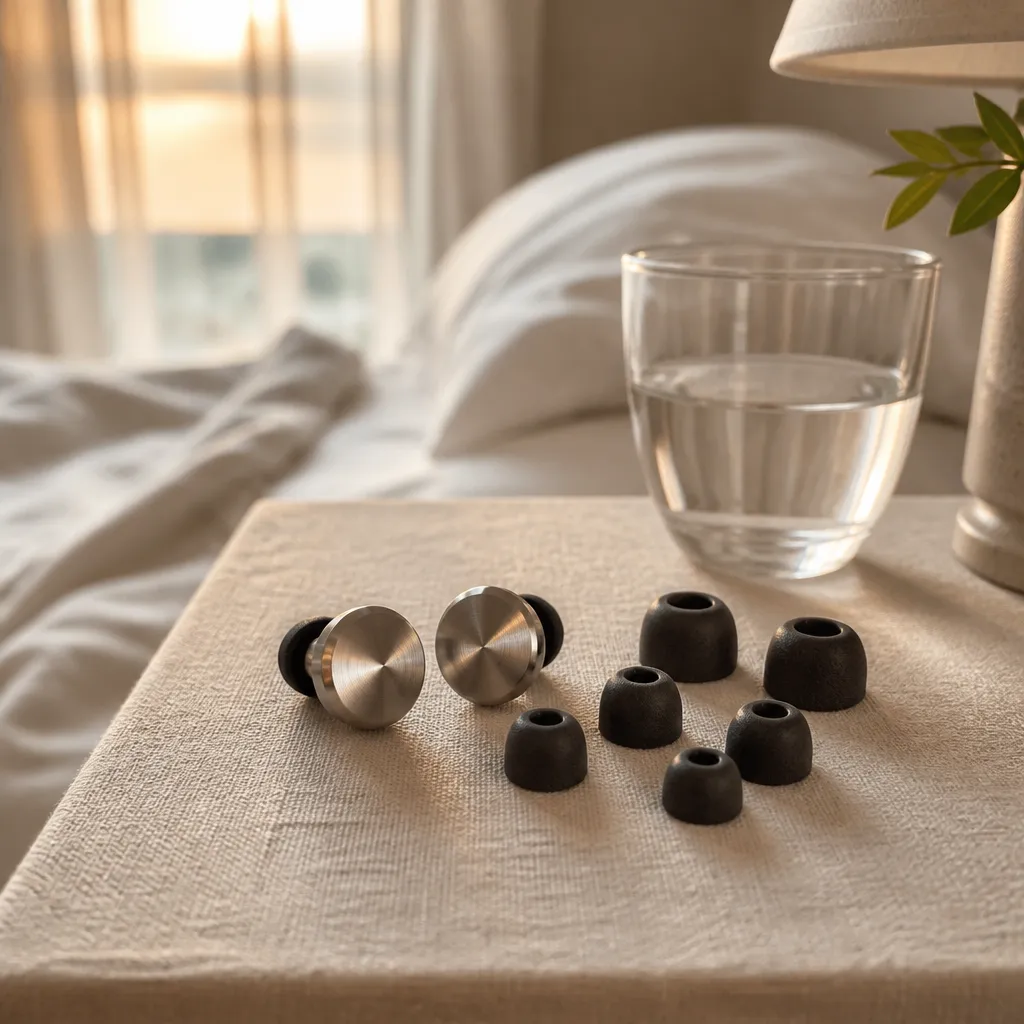
Memory foam is designed to expand slowly and conform to the canal. Once it absorbs sweat, it loses some of that springiness and can feel tacky. A damp tip also compresses differently, so the seal that formed in the first minute may not hold for the next eight hours. Damp foam is the most common reason a good plug stops working in heat.
A common mistake is to push a sweaty plug in harder. That compresses the tip further, causes pressure discomfort and often drives moisture deeper into the canal. Remove the plug, let it breathe for a minute, then reinsert it gently with a slight twist.
Seasonal change affects more than room temperature. Heavier bedding, a closed window and a warm body all change how much the canal swells and how much your head moves during sleep. Many people notice that the same tip works on a cool night and fails on the next muggy one. That is not a defect. The environment has changed the fit, and the fix is usually a change in tip size, drying routine or sleep position rather than a new product.
Keep the sound side in mind too. A rated noise reduction figure is measured in controlled conditions. Once a plug loses its seal, the sound you hear through the gap can be far louder than the rating suggests. ATTENU8 pairs are rated at approximately 32dB, and that figure only applies when the metal body sits firmly in the canal.
Most people buy ear plugs once, assume the fit is settled and only think about it when something goes wrong. Warm weather makes that a poor strategy. The Guardian’s guide to earplugs makes the broader point that finding the right pair is not as simple as grabbing the first pack you see, and that applies even more when the canal changes from one night to the next. Reusable designs give you room to adjust, and that adjustment is where summer comfort comes from.
ATTENU8 ships three tip sizes, XS, S and M, so the first job is to find the one that seals without pressure. On a warm evening, test with the plug in place for a few minutes before you lie down. If it feels full or presses against the canal wall, step down a size. If it wobbles or whistles when you turn your head, step up.
Test your sizing during a warm evening rather than in a cool bathroom. The fit you choose in a cool room may feel too snug once you have been in a warm bed for an hour. Note the size that works on your hottest night, because that is the one that will carry you through a heatwave.
Foam loses shape when it is wet, dirty or old. A tip that has been used for two months in a humid bedroom will not recover the way a new one does. Tips that feel sticky, look discoloured or stay flattened after you release them need replacing. Replacing foam tips every 6-8 weeks is the baseline schedule, and in humid climates it is worth checking them more often.
A tired tip is a small problem on a cool night and a large one when you are trying to sleep through traffic or neighbours. Replace it before sound starts leaking in, not after.
Hygiene matters more in summer because sweat, skin oils and dust collect on anything that sits in the ear canal for hours. The goal is simple: keep the plug and the canal reasonably dry and clean, and never store a damp plug in a sealed case. Most problems come from habits rather than the product itself.
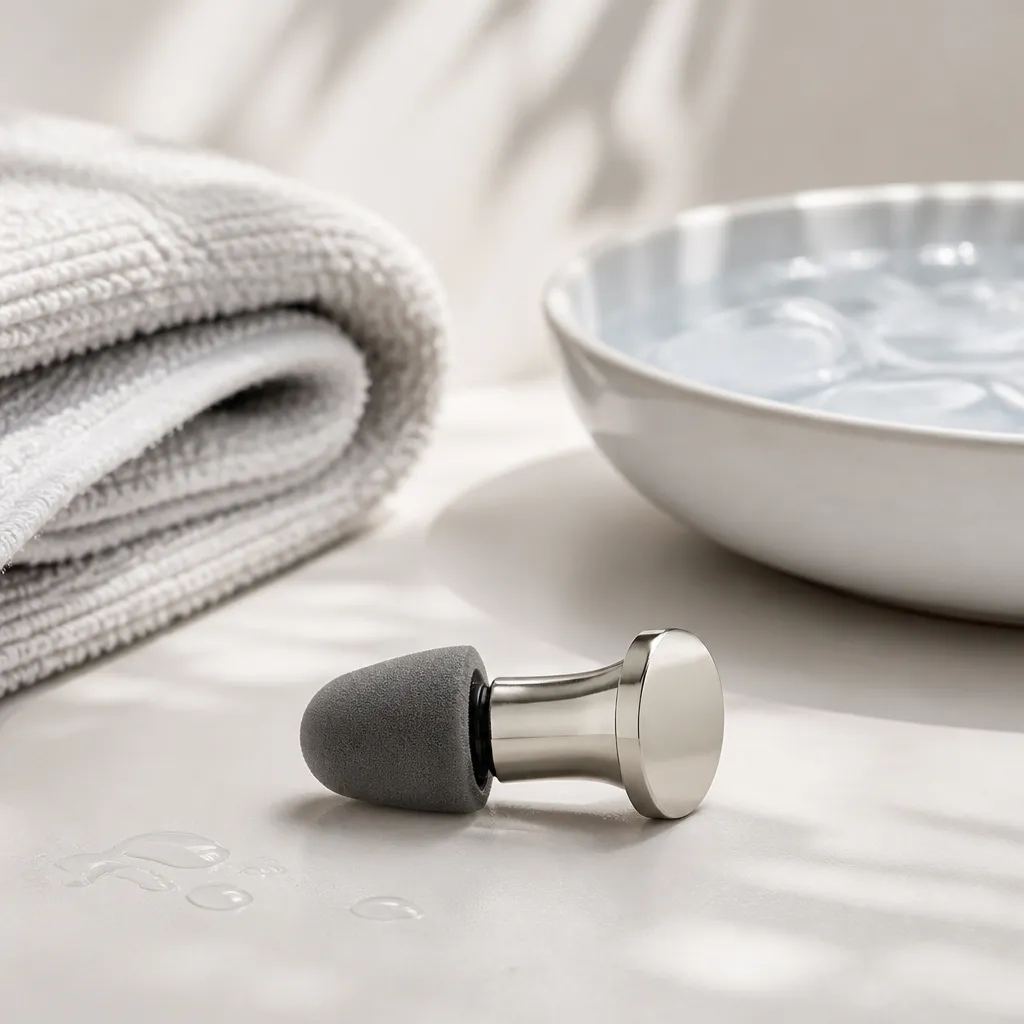
When you remove your plugs in the morning, wipe the aluminium body with a dry cloth and let the tips air out for a few minutes before you put them away. Storing them wet keeps moisture against the material you will insert again. An open tray or breathable pouch on the bedside table works better than a closed case for this reason.
Wash the body with lukewarm water and mild soap when it looks dirty, rinse it and dry it fully. Remove foam tips before cleaning the body if your model allows, and do not soak foam. Keep a spare set at home and in your work bag so you never reuse a damp pair because the replacement is still in a drawer.
Pro tip: Keep a small zip bag with a spare set of tips in your travel bag and another by your bed. Swapping them takes seconds and stops you from sleeping on a tip that has already absorbed a night of sweat.
If you notice itching, odour, discharge or pain after wearing plugs in heat, stop using them and speak with a doctor or pharmacist. Those signs are not something a better tip will fix.
No single product suits every sleeper in every climate, so it helps to compare the main options on the things that matter when it is hot. The table below focuses on fit retention, hygiene and running cost over a season rather than on lab numbers, which tell you less about a damp night than you might expect.
| Approach | Works best when | Main drawback in heat |
|---|---|---|
| Reusable metal body with foam tips | You sleep most nights in the same bed and want one pair to last | Foam tips need replacing every 6-8 weeks and must be dried between uses |
| Single-use foam plugs | You travel and prefer to discard them after a night | Foam compresses differently when sweaty, and the waste adds up over a summer |
| Silicone or moulded plugs | Foam never seals your canal well | Silicone can hold moisture if not dried, and cleaning takes more care |
For most light sleepers in warm rooms, the reusable option wins on total cost and consistency, but only if you commit to drying and tip replacement. Single-use foam can work for a single trip where you do not want to carry a case, yet it is hard to rely on for a whole summer. Moulded silicone suits people with unusual canal shapes, though it needs the same drying discipline.
Lowering the room temperature is the most effective fix, but it is not always possible. Many people sleep with a fan running, and that brings a second problem. Moving air and fan noise can hide small sounds, or create a constant hum you then notice more. Your plugs should seal well enough that the room is quiet, not just that the fan is running.
In hot rooms, the seal usually fails long before the plug does. Check the fit first, then blame the product.
A fan aimed directly at your face dries the skin around the canal and can make the plug feel loose as surface temperature changes. Point it across the room or at a wall so air circulates without blowing on your head. A steady fan can also work as a sound mask, since a consistent broadband hum is easier to sleep through than sudden noises.
Side sleeping is the position where a plug is most likely to shift, because the pillow pushes against the outer ear. Some sleepers change position on hot nights to get off a warm mattress, and that can move a plug that was fine before. If you can, settle on the side that feels most comfortable, check the plug on waking, and avoid pressing the ear into a pillow with a damp cover.
Ear plugs are useful, but wearing them every night is a habit that deserves a second look. The New York Times Wirecutter guide on wearing earplugs every night advises against making them a nightly default. Heat makes the downsides more likely, because a warm, moist canal is slower to recover from constant covering.
Itching, a feeling of fullness that does not clear, a change in hearing that lasts after you remove the plugs, or any discharge are signals to stop for a few nights. Dryness and mild irritation are also common when plugs are worn for long stretches in heat. Give the canal time to recover before returning to nightly use.
On nights when the room is hot and total silence is not essential, try a fan, a window positioned for a breeze or a lighter sleep mask, and keep plugs for the nights you need them most. A rotation like this gives the canal regular rest and stops plugs becoming a crutch. It is a sensible starting point for light sleepers, and you can adjust it once you know which nights need the extra quiet.
For people on construction sites, in manufacturing plants or in military training, heat and noise often arrive together. Sweat, helmets, gloves and long shifts all make hearing protection harder to keep in place. The aim is not to skip protection when it is hot. It is to plan the routine so the protection still seals at the end of the shift.
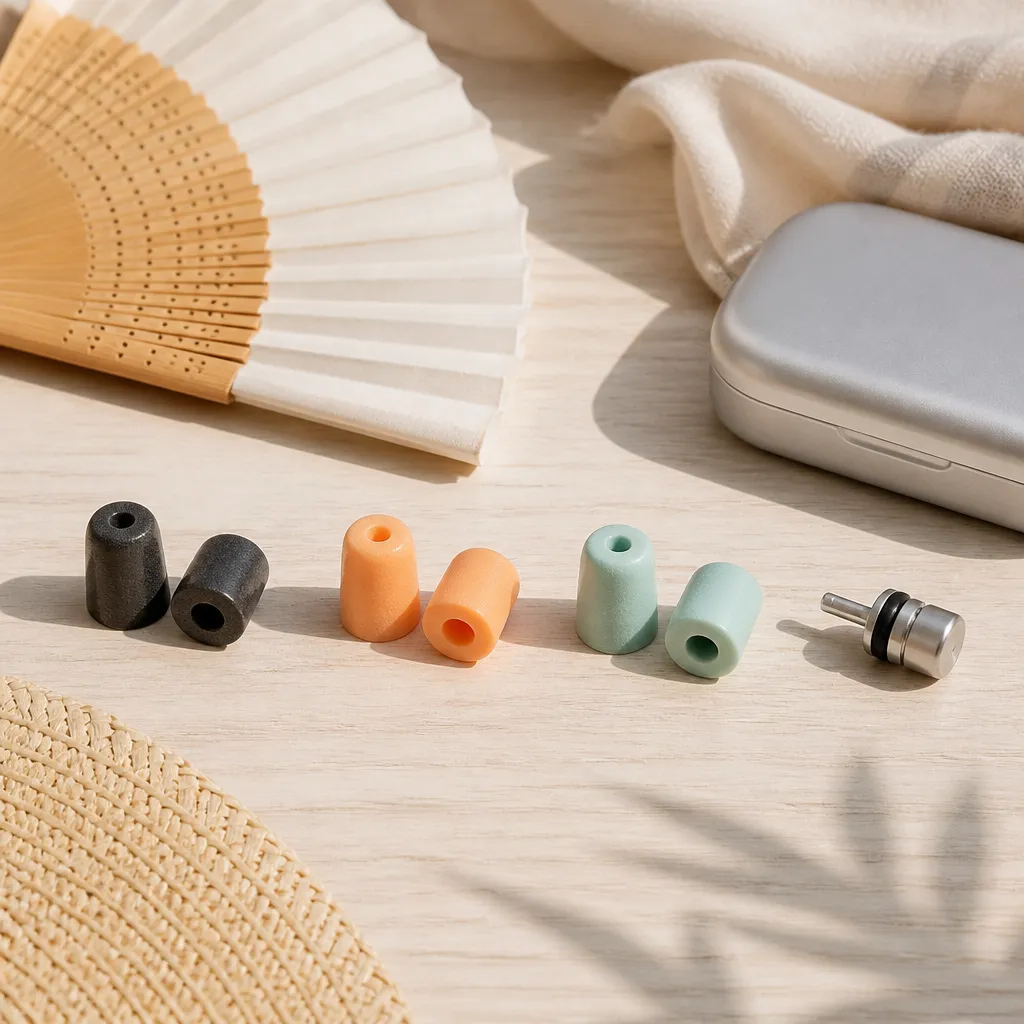
Sweat gathers quickly under a helmet, so start each shift with dry tips and a dry body. Carry a spare set in a pocket or sealed pouch. At each break, remove the plugs, let the canal and tips air out and check that nothing has shifted before reinserting them. A plug that fitted at seven in the morning may feel different at noon.
Water breaks are good practice, but they are also when plugs get knocked, pulled or handled with dirty gloves. Wash your hands before touching your ears. To check the seal, gently pull the outer ear and press the plug back in. If it moves easily or the noise sounds much louder on one side, replace the tip before you return to the noisy area.
Pro tip: Keep one spare set of tips in your helmet liner or a pocket. On long hot shifts, a fresh tip at lunch does more for comfort and protection than almost any other change you can make.
They can, but heat changes how the tip seals. Sweat and warmth soften foam, so you may need a different size, fresh tips or a more careful drying routine than you used in cooler months.
Replace foam tips every 6-8 weeks as a baseline. In humid or sweaty conditions, replace them sooner if they feel tacky, stay flattened or no longer seal cleanly.
Many people wear them regularly, but nightly use in a warm, moist canal raises the risk of irritation. Take regular breaks and stop if you notice itching, discharge or pain.
Wipe and dry the body after every night. Wash it with mild soap and water when it looks dirty, and replace tips on schedule rather than trying to clean foam repeatedly.
Check the size first. Try the next size down if they feel full, or the next size up if they whistle or drop out. Also look at your sleep position, pillow pressure and whether a fan is blowing directly at your ears.
Tell us what has worked for you on hot nights, whether that is a tip size, a drying habit or a fan setup.
We would love your feedback and any insights you would share with others. What perspective would you add?

