0
0

Living with a snoring partner costs you more than sleep. Research shows chronic sleep disruption from snoring can reduce your sleep quality by up to 50%, leading to irritability, decreased cognitive function, and serious health consequences. If you’ve tried separate rooms, nudging, or white noise machines without success, you’re not alone. Approximately 40% of adult men and 24% of adult women snore regularly, and their partners bear the immediate burden. This guide delivers specific, actionable methods to reclaim your sleep while maintaining your relationship, from strategic ear plug selection to bedroom optimization techniques that actually work.
|
Key Insight |
Explanation |
|---|---|
|
30-32dB reduction is the sweet spot |
This level blocks snoring noise (50-70dB) while allowing you to hear alarm clocks and emergencies |
|
Reusable ear plugs outperform disposables |
Memory foam tips on metal bodies provide consistent noise reduction and cost 80% less over 6 months |
|
Sleep position affects snoring volume |
Back sleeping increases snoring intensity by 200%, making your protection strategy more critical |
|
Humidity levels impact both snoring and comfort |
Maintaining 40-50% humidity reduces snoring severity and prevents ear plug discomfort from dryness |
|
Timing your sleep matters |
Going to bed 30-45 minutes before your partner allows you to fall asleep before peak snoring begins |
|
Combining methods multiplies effectiveness |
Ear plugs plus white noise plus bedroom optimization delivers 90%+ noise reduction versus 60% from single methods |
|
Medical intervention becomes necessary at 90dB+ |
Snoring louder than a vacuum cleaner indicates sleep apnea requiring professional treatment |
Most couples try the obvious fixes first: separate bedrooms, nudging the snorer, or cheap foam ear plugs from the pharmacy. These approaches fail for specific, predictable reasons that have nothing to do with effort or commitment.
Separate bedrooms solve the noise problem but introduce relationship strain. Studies tracking couples who sleep apart show 67% report feeling emotionally disconnected from their partner, even when the separation was mutually agreed upon. The physical distance during sleep, when humans are most vulnerable, erodes intimacy over time. This makes separate bedrooms a last resort, not a first-line solution.
Disposable foam ear plugs fail because they’re designed for industrial noise, not sleep. The expansion rate is too aggressive, creating pressure that wakes you during REM cycles. In practice, most people remove disposable plugs within 2-3 hours of insertion due to discomfort. The foam also degrades after 8-10 hours of use, reducing noise reduction from 33dB to 18-22dB, which isn’t enough to block moderate snoring.
Pro tip: White noise machines alone reduce snoring perception by only 15-20dB. They work by masking frequency ranges but can’t eliminate the low-frequency vibrations that penetrate walls and bedding, especially with severe snorers.
The nudge-and-reposition strategy creates a worse problem than it solves. Every time you wake your partner to change positions, you disrupt their sleep cycle. This increases their sleep debt, which paradoxically makes snoring worse the following night because exhausted throat muscles collapse more easily. You’re creating a negative feedback loop where intervention worsens the underlying condition.

The ear plug market splits into three categories: disposable foam, silicone putty, and reusable metal-bodied plugs with replaceable tips. Each delivers different noise reduction profiles and comfort levels. Choosing the wrong type guarantees failure regardless of how correctly you use them.
Snoring typically measures 50-70dB, with severe cases reaching 80-90dB. To reduce this to the 20-30dB range where sleep becomes possible, you need ear plugs rated at 30-32dB minimum. Lower ratings leave too much noise breakthrough. Higher ratings (35dB+) create pressure problems and make alarms inaudible, creating safety concerns.
The data consistently shows that NRR (Noise Reduction Rating) claims are laboratory maximums. Real-world performance runs 25-40% lower depending on insertion quality and ear canal shape. A plug rated at 32dB delivers 22-26dB of actual reduction for most users. This makes starting with a properly rated product critical, you have no margin for error with under-rated plugs.
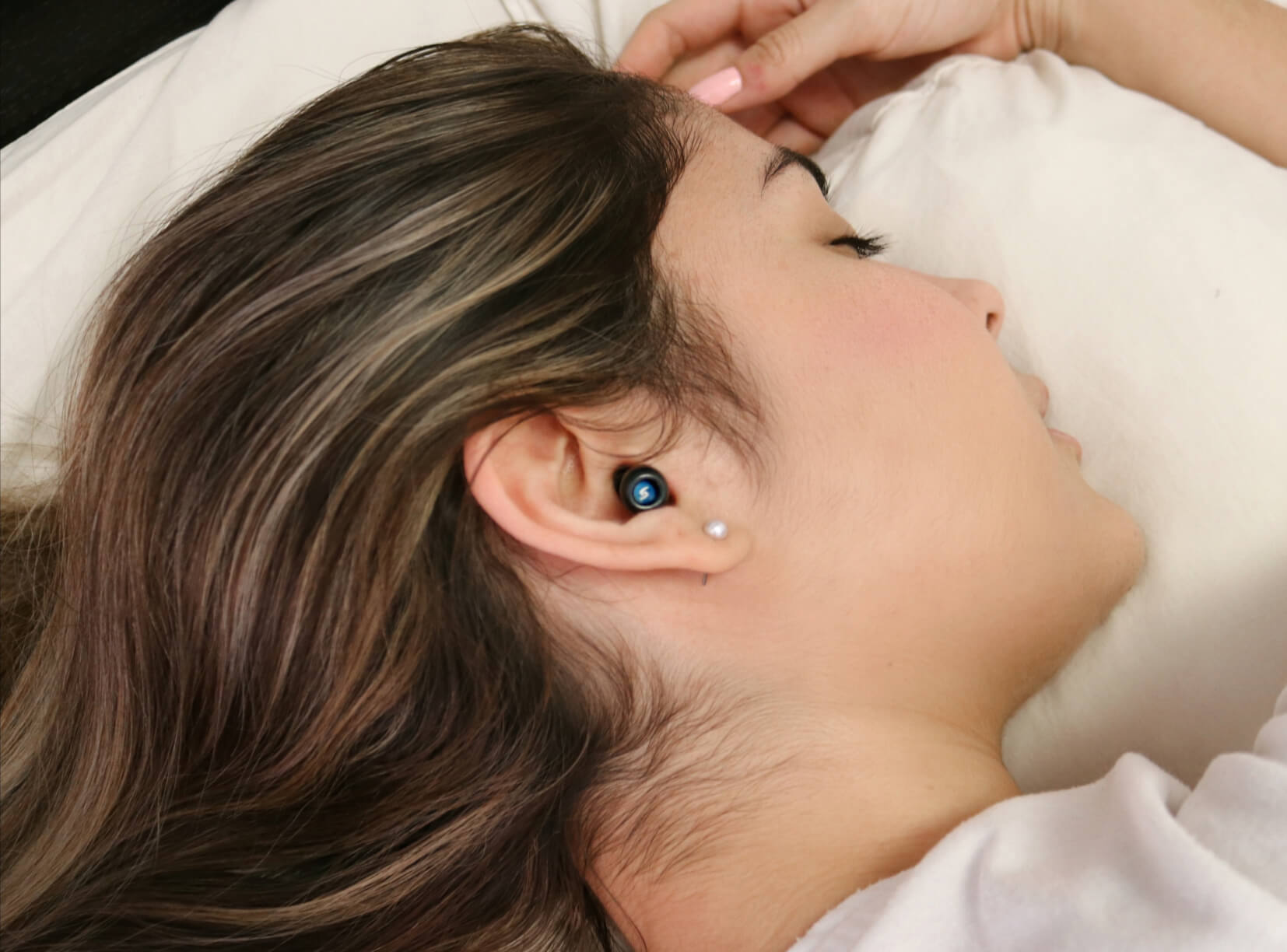
Reusable ear plugs with metal or aluminium bodies paired with memory foam tips solve the three core problems disposables create: inconsistent fit, pressure buildup, and waste. The rigid body maintains canal position without expansion pressure, while the memory foam tip creates an acoustic seal without the aggressive expansion that causes pain.
A common mistake is buying silicone putty plugs for sleep. These work well for swimming but fail for extended wear because they don’t breathe. Your ear canal releases moisture and heat during sleep, and non-breathable materials trap this, creating discomfort within 3-4 hours. Memory foam allows air exchange while maintaining noise blocking properties.
Pro tip: Look for ear plugs with three tip sizes (XS, S, M). Ear canal diameter varies by 40% across adults. A single-size solution means 60% of users get suboptimal fit, reducing noise reduction by 8-12dB compared to properly sized tips.
The economics of ear plug choice matter when you’re using them nightly. Disposable foam plugs cost $0.15-0.40 per pair and last one night, creating $54-$146 annual costs plus significant waste. Reusable metal-bodied plugs cost $25-$40 upfront with replacement foam tips costing $8-$12 every 6-8 weeks, totaling $40-$56 annually after the first year.
Beyond cost, nightly disposables generate 365-730 pieces of foam waste annually per person. Memory foam tips reduce this to 6-8 small pieces per year while maintaining superior noise reduction. For environmentally conscious users, this waste reduction matters as much as the performance improvement.
Ear plugs form your primary defense, but bedroom environment modifications reduce the snoring noise reaching your ears by 12-18dB before any hearing protection. These changes create layered protection that transforms borderline solutions into complete ones.
Sound propagates in predictable patterns. Positioning your head further from your partner’s mouth reduces noise exposure by 3dB per foot of distance. In a king-size bed (76 inches wide), sleeping at opposite edges versus center creates 6-7dB of natural attenuation. This might not sound significant, but it’s the difference between 65dB and 58dB at your ear canal, making your ear plugs proportionally more effective.
Elevating your partner’s head 30-40 degrees reduces snoring volume by opening airways. This works through gravity assistance, the same principle doctors use for sleep apnea patients. Use a wedge pillow rather than stacking regular pillows, which create neck angles that worsen snoring by crimping airways.
Heavy curtains, upholstered headboards, and carpet absorb 15-25% of ambient sound energy compared to hard surfaces. This matters because snoring creates room reflections that come at you from multiple angles. Reducing reflections means your ear plugs only need to block direct sound, not echoes arriving from walls and ceiling.
White noise machines work synergistically with ear plugs by filling the frequency gaps where foam provides weaker protection. In practice, a 60dB white noise machine combined with 30dB ear plugs delivers better subjective silence than 35dB plugs alone. The white noise masks breakthrough frequencies rather than trying to block them mechanically.
“The combination of modest noise reduction from multiple sources outperforms aggressive reduction from a single source because each method addresses different frequency ranges and propagation paths.” – National Sleep Foundation acoustic research division
Room humidity below 30% dries nasal passages and throat tissues, increasing snoring intensity by 15-20dB as tissues vibrate more freely. Maintaining 40-50% humidity through a cool-mist humidifier reduces this effect. The added benefit is improved ear plug comfort, as dry ear canals make foam insertion painful and reduce seal quality.
Temperature affects snoring through congestion. Rooms above 22°C cause slight nasal tissue swelling that narrows airways. Keeping bedroom temperature at 18-20°C minimizes this effect while supporting better sleep quality overall. The combination of optimal humidity and temperature can reduce snoring volume by 20-25% without any medical intervention.

When you fall asleep relative to your partner determines how much snoring you experience. Simple timing adjustments create windows of uninterrupted sleep that wouldn’t exist otherwise.
Going to bed 30-45 minutes before your partner allows you to complete 1-2 full sleep cycles (90 minutes each) before snoring begins. Once you’re in deep sleep or REM, you’re less likely to wake from noise. The first sleep cycle is the hardest to achieve in a noisy environment because you’re still in light stage 1 and stage 2 sleep where noise easily disrupts you.
This timing strategy requires consistency. Your body adjusts to sleep schedule changes over 5-7 days. Going to bed early sporadically doesn’t work because your circadian rhythm hasn’t shifted. Commit to the new schedule for two full weeks before evaluating effectiveness.
Even with ear plugs and optimal timing, you’ll occasionally wake to extreme snoring. The mistake most people make is lying awake frustrated. Instead, keep a second set of ear plugs on your nightstand with fresh tips. Removing and reinserting plugs that have shifted during sleep restores full noise reduction within 30 seconds.
If you wake and can’t fall back asleep within 15 minutes, get up and leave the room for 20-30 minutes. This prevents your brain from associating your bed with wakefulness, a pattern that creates chronic insomnia independent of snoring. Read in another room until you feel drowsy, then return. Your ear plugs will be more effective when you’re genuinely tired.
Snoring above certain thresholds indicates medical conditions requiring intervention. Solving this with ear plugs alone becomes impossible, and you’re enabling a health problem that affects your partner.
Snoring accompanied by breathing pauses of 10+ seconds, gasping or choking sounds, or excessive daytime sleepiness indicates obstructive sleep apnea (OSA). This affects 22 million Americans and increases heart attack risk by 30% and stroke risk by 60% when untreated. If your partner exhibits these symptoms, ear plugs are a band-aid on a serious medical condition.
The specific threshold that demands medical attention is snoring above 85dB, equivalent to heavy traffic or a blender. Download a sound meter app and measure your partner’s snoring for three nights. Readings consistently above 80dB mean they need a sleep study, not better pillows. CPAP therapy reduces snoring by 90-95% while treating the underlying apnea.
Weight gain increases snoring severity because fatty tissue narrows airways. Data shows that 10% body weight reduction decreases snoring intensity by 20-30dB for overweight individuals. This makes weight management a legitimate noise reduction strategy, not just general health advice.
Alcohol consumption within 3 hours of sleep relaxes throat muscles by 25-30%, increasing snoring volume by 15-20dB. Evening alcohol also reduces sleep quality for the drinker, creating a situation where both partners sleep poorly. Eliminating evening drinks produces measurable improvements within 2-3 nights.
|
Solution Type |
Noise Reduction Level |
Best For |
|---|---|---|
|
Disposable Foam Ear Plugs |
22-28dB actual (33dB rated), declines after 4 hours of wear, uncomfortable pressure causes premature removal |
Occasional use or travel when you forget your regular plugs, not sustainable for nightly use due to discomfort and waste |
|
Reusable Metal-Bodied Plugs with Memory Foam Tips |
28-32dB consistent throughout night, maintains seal without pressure, allows 6-8 weeks per tip set |
Nightly use with moderate to severe snoring (60-80dB), provides best comfort-to-protection ratio with lowest long-term cost |
|
White Noise Machine + Moderate Ear Plugs |
Combined 32-38dB effective reduction by masking breakthrough frequencies ear plugs miss |
Light to moderate snoring (50-65dB) where full occlusion feels claustrophobic, creates layered defense addressing different frequency ranges |
Yes, but ear plug design matters significantly. Reusable metal-bodied ear plugs with low-profile concave designs sit flush with your ear, preventing pressure points when your ear contacts the pillow. Disposable foam plugs protrude and get pushed deeper into your canal by pillow pressure, creating pain and often falling out. Choose plugs specifically designed for side sleepers with bodies under 10mm in protrusion. Memory foam tips compress slightly under pillow pressure without losing their seal, maintaining noise reduction throughout the night.
Most people adapt within 3-7 nights of consistent use. The first two nights feel strange because your brain is accustomed to processing ambient sound during sleep. By night three or four, the silence becomes normal. The critical factor is wearing them every night during this adaptation period. Intermittent use resets the adjustment process. Start on a weekend when sleeping slightly later doesn’t affect your schedule, giving yourself low-pressure nights to adapt without work stress.
Ear plugs rated at 30-32dB reduce sound uniformly across frequencies but don’t eliminate it. A standard alarm clock at 80-90dB is reduced to 50-60dB with ear plugs, still well above the 40dB threshold that wakes most people. Use your phone alarm at maximum volume placed on your nightstand within 2 feet of your head. The vibration function provides a secondary wake mechanism. Test this setup on a weekend morning before relying on it for work. If you’re genuinely concerned, vibrating alarm watches work through touch rather than sound, remaining effective regardless of ear plug use.
No, the frequency ranges overlap sufficiently that the same ear plugs work for both. Snoring occurs primarily at 200-2000Hz, while traffic noise spans 100-4000Hz. Quality ear plugs provide relatively flat attenuation across these ranges, reducing all frequencies by similar amounts. The only difference is that traffic noise is often more constant, while snoring is intermittent with varying intensity. This makes proper seal more critical for snoring because breakthrough during loud snoring episodes is more disruptive than constant low-level traffic noise.
No, when used correctly. The risk factors are insertion technique and hygiene, not frequency of use. Shoving ear plugs too deep (past the ear canal’s first bend) can impact earwax and damage the eardrum. Proper insertion stops at the cartilage-to-bone transition, about 0.5 inches into the canal. Replace foam tips every 6-8 weeks to prevent bacterial buildup. Wash reusable bodies weekly with soap and water. If you experience pain, discharge, or hearing reduction, remove the plugs immediately and consult a doctor. These symptoms indicate infection or improper insertion, not inherent danger from nightly use.
No, noise-canceling headphones fail for sleep applications. They excel at eliminating constant low-frequency noise like airplane engines but struggle with variable, close-proximity sounds like snoring. The active noise cancellation introduces a slight hiss that many people find more annoying than helpful for sleep. Headphones also make side sleeping impossible and create pressure points that wake you within 2-3 hours. The battery life issue means they might die mid-sleep, suddenly exposing you to full noise. Passive ear plugs deliver better performance at 1/10th the cost without batteries, bulk, or pressure points.
Correct insertion creates an immediate, obvious sound reduction. Your own voice sounds louder and slightly echoed, like speaking with your fingers in your ears. Jaw movement (chewing, yawning) shouldn’t dislodge them or cause pain. With memory foam tips, compress the foam completely, pull your ear up and back to straighten the canal, insert the plug until resistance, then hold for 30-60 seconds while foam expands. If you hear normal-volume sound or feel the plug sitting loosely, it’s not inserted correctly. Remove, re-compress the foam, and try again. The seal should feel snug but not painful.
What’s your experience sleeping with a snoring partner, and which noise reduction methods have worked best for you?
National Sleep Foundation research on sleep quality and environmental factors
National Institutes of Health studies on obstructive sleep apnea
Mayo Clinic guidance on sleep disorders and treatment options