


 0
0

Most people buy a bulk bag of foam ear plugs once, lose half of them, roll the rest incorrectly, and wonder why they still wake up at 3am to a snoring partner or a passing truck. The answer usually isn’t their light sleeping – it’s their ear plugs. If you’ve ever asked whether premium ear plugs are worth it versus the cheap disposable ones, the short answer is yes, but the reasons matter more than the price tag. This article breaks down exactly what you’re paying for, where budget options fall short, and how to calculate the real cost of what goes in your ears every night.
| Key Insight | Explanation |
|---|---|
| Real-world NRR is often half the label figure for foam plugs | Improper rolling and insertion dramatically reduces the actual protection foam plugs deliver, regardless of what the packaging claims. |
| Cost per use favors reusables after a few weeks | Bulk foam plugs cost roughly $0.17 to $0.50 per pair. Reusable premium plugs used nightly can cost a fraction of that per use within the first month. |
| Fit determines effectiveness more than material | A well-fitted premium plug with a lower stated NRR will outperform a loosely-worn foam plug with a higher stated NRR every time. |
| Metal-bodied reusable plugs solve the hygiene problem | Disposable foam picks up bacteria from unwashed fingers during insertion. A cleanable metal body with replaceable foam tips removes that risk entirely. |
| Comfort is not a luxury feature for sleep users | If ear plugs cause pressure or soreness during the night, you remove them. A plug that stays comfortable all night delivers 100% more protection than one pulled out at 2am. |
| Industrial users waste hundreds annually on disposables | Workers going through multiple pairs per day can spend $300 to $500 per year on foam ear plugs. Reusables with replaceable tips eliminate most of that cost. |
| Premium plugs with replaceable tips are not single-purchase products | ATTENU8-style designs only require foam tip replacement every 6 to 8 weeks, not a full new pair, which dramatically lowers ongoing cost. |
Budget foam ear plugs are not bad products. They are just optimized for the wrong things. They are designed to be cheap to manufacture, easy to stock in bulk, and effective under ideal laboratory test conditions – conditions that do not describe a real person’s ear canal at midnight.
The core problem is insertion. Foam plugs require you to compress the plug tightly, hold it in the ear canal while it expands, and maintain a consistent seal. Most people do not do this correctly, especially when half-asleep or when handling plugs with hands that have touched a phone, a steering wheel, or food. Studies suggest real-world foam plug performance can fall as much as 50% below the rated NRR due to improper insertion. That means a plug rated at 33dB might actually be delivering closer to 16 to 17dB in practice.
There is also the durability and hygiene issue. Disposable foam plugs are single-use by design, but many people reuse them for days or weeks. Once the foam compresses and loses its expansion memory, the seal degrades and protection drops further. And every time you re-insert a foam plug with unwashed hands, you’re pushing bacteria directly against your ear canal.
Pro tip: If your cheap foam plugs still feel like they’re “working” after a week of daily use, test them by doing a quick clap near your head while wearing them. If you hear it clearly, the foam has lost its structure and your protection has gone with it.
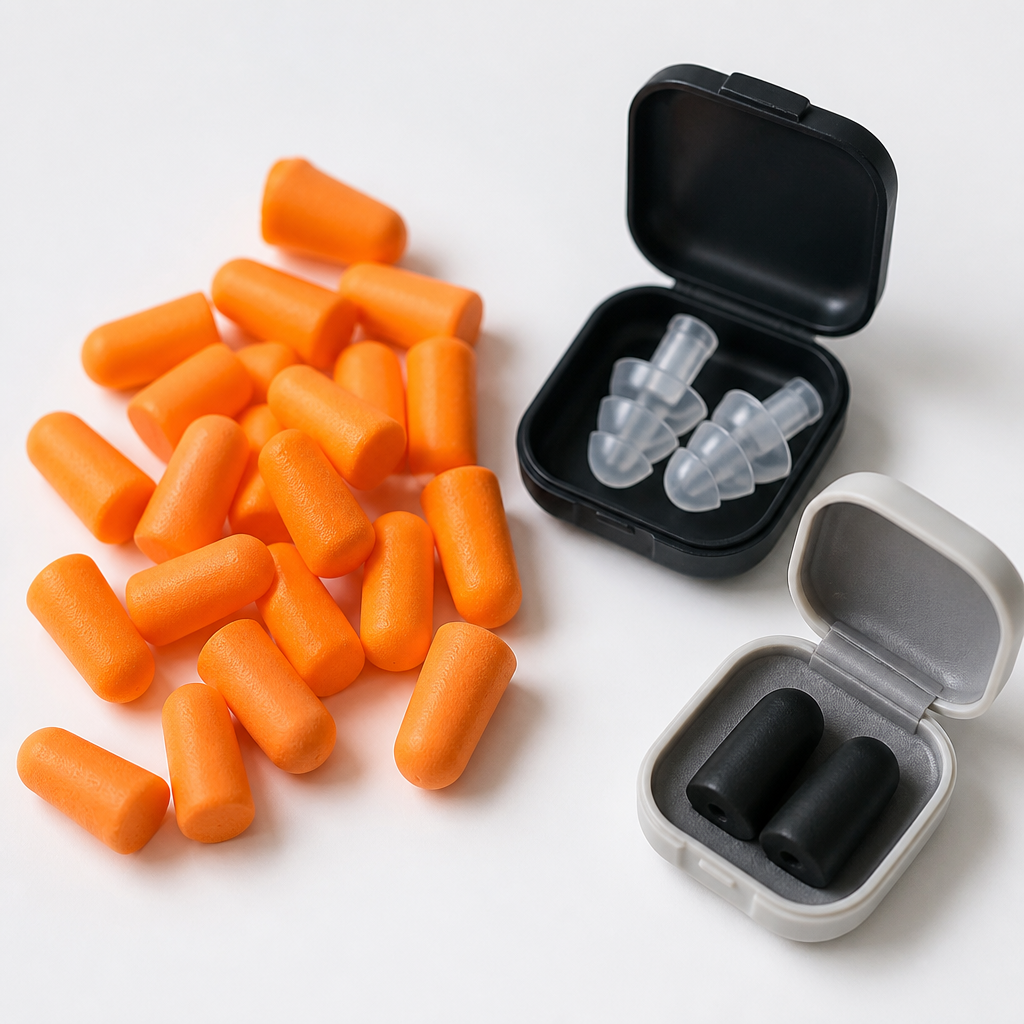
Premium ear plugs are not simply more expensive versions of the same product. They solve different problems. The key differences show up in three areas: construction, fit, and long-term usability.
A metal-bodied ear plug like those made by ATTENU8 is built around a rigid, durable aluminium shell with a concave form designed to sit comfortably in the outer ear. The shell does not compress, degrade, or lose its shape. What does get replaced periodically are the soft memory foam tips that seal against the ear canal – and those replacements happen on your schedule (every 6 to 8 weeks) rather than every single use.
This structure means the product maintains consistent performance use after use. You are not gambling on whether last night’s plug is still sealed properly. The body is the same. The tip is fresh when it needs to be.
One of the most overlooked differences between budget and premium ear plugs is size selection. A single-size foam cylinder is designed for an “average” ear canal – a size that fits perhaps half the population well and the rest poorly. Premium options like ATTENU8 include XS, S, and M memory foam tip sizes, meaning the plug actually fits your anatomy rather than the other way around. Correct fit is the single biggest determinant of how much noise a plug actually blocks, which makes tip sizing a functional feature, not a cosmetic one.
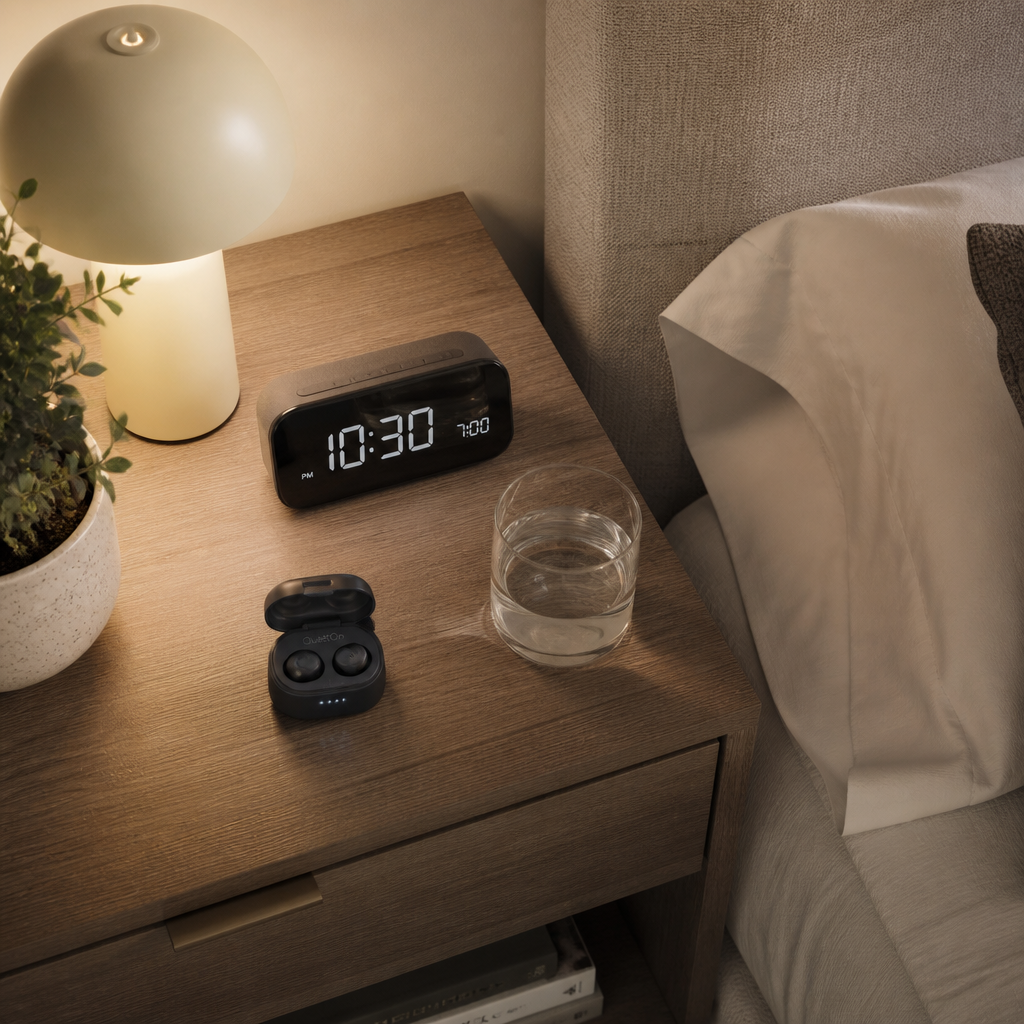
Cheap foam plugs exert continuous outward pressure as they expand in the canal. That pressure is tolerable for 20 minutes on a flight. It becomes genuinely uncomfortable over a full 7 to 8 hours of sleep, and many people remove the plugs in the middle of the night without even fully waking up. Memory foam tips on a structured body conform to your canal shape without pushing. The result is a plug you can actually wear all night without waking up with it on your pillow.
The most effective ear plug is the one that stays in your ear. A 32dB plug worn all night beats a 33dB plug pulled out at 2am by every measure that matters.
NRR (Noise Reduction Rating) is a standardized laboratory measure of how many decibels a plug reduces sound exposure. It is measured under controlled conditions with trained technicians inserting plugs correctly. It is a useful benchmark but not a guarantee of real-world performance.
Most disposable foam ear plugs carry NRR ratings between 25 and 33dB. Reusable flanged plugs typically rate between NRR 25 and 27dB. Premium options like ATTENU8 deliver approximately 32dB, which puts them at the top end of the reusable category and competitive with the best disposable foam ratings.
The practical difference is consistency. A foam plug rated NRR 33 worn incorrectly delivers less protection than a premium plug rated NRR 32 worn correctly every time. When evaluating any ear plug on NRR alone, you are looking at the best-case ceiling – not the everyday floor.
There is also the SNR (Single Number Rating) system used in Europe, which tends to produce slightly higher numbers than NRR for the same product. Be cautious when comparing plugs across regions – a 30dB SNR rating and a 30dB NRR rating are not the same thing.
Pro tip: When reading any ear plug specification, check whether the noise reduction figure is NRR or SNR. If the listing does not specify, ask the manufacturer. The difference can be significant when comparing products across brands.
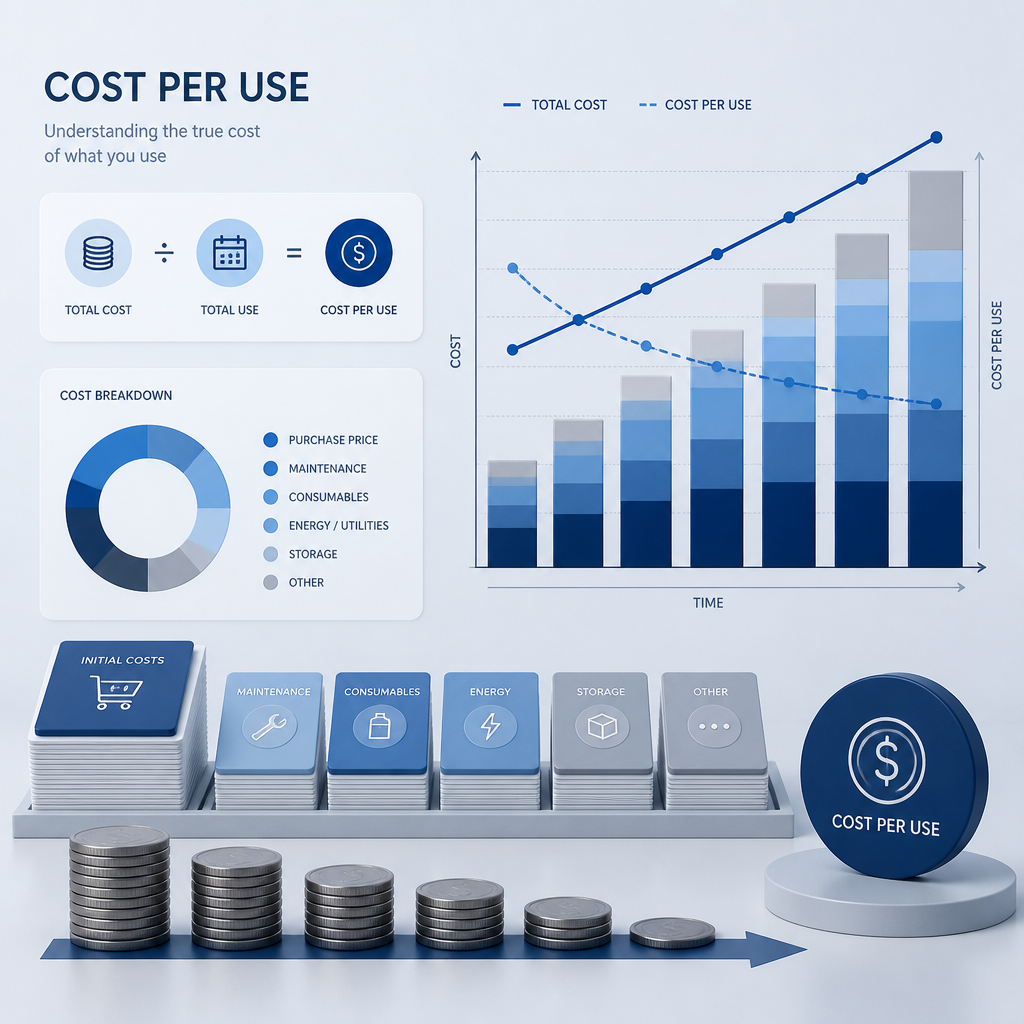
The sticker price of premium ear plugs is the first number most people look at and the least useful one for making a decision. The number that actually matters is cost per use.
Bulk disposable foam plugs run roughly $0.10 to $0.50 per pair depending on quantity and brand. If you use them nightly, that is $36 to $180 per year just for sleep. If you reuse them beyond their effective life, you are also accepting degraded protection without realising it. One estimate puts the annual foam earplug cost for a regular sleep user at around $220 when using reasonable-quality single-use pairs nightly.
A quality reusable pair requires only foam tip replacements, not a full product replacement. With ATTENU8, tips are replaced every 6 to 8 weeks. That means roughly 6 to 8 tip replacements per year replace the entire annual cost of disposables. The metal body itself is a one-time purchase that does not degrade in the way foam does.
For professionals in loud environments, the math is even more decisive. Workers who go through multiple pairs of foam plugs per day can spend $300 to $500 or more annually. A reusable system with a replaceable tip design eliminates the bulk of that cost while also reducing waste.
Not every situation calls for the same ear plug, and the right answer does depend on context. Here is a direct comparison across the three most common use cases.
| Use Case | Budget Disposable Foam | Premium Reusable (e.g., ATTENU8) |
|---|---|---|
| Nightly sleep | High pressure causes discomfort over 7-8 hours. Many users remove them mid-sleep. Cost adds up nightly. | Memory foam tips conform to canal shape. Comfortable all night. Cost per use drops significantly over weeks of use. |
| Travel (flights, public transport) | Acceptable for short durations. Risk of losing single-use pairs is high. Hygiene concerns with reuse. | Metal body is durable and easy to carry in a case. Tips stay fresh. Consistent protection across trips without restocking. |
| Occupational noise (construction, manufacturing) | High NRR possible but insertion errors common. Daily cost compounds fast. Waste and hygiene issues at scale. | Consistent fit with correct tip size. Cleanable body. Tip replacements far cheaper than daily foam pairs. Better long-term compliance. |
Budget foam plugs win on upfront cost and on situations where you need a large supply for a one-off event, visitor use, or genuinely single-use scenarios. For anyone using ear plugs regularly – nightly, on daily commutes, or across a working week in a noisy environment – the economics and the performance both tilt toward premium reusables.
Honesty about this matters. There are situations where premium ear plugs are the wrong choice, and pushing them into every scenario would be bad advice.
If you need ear plugs for a single event – a concert, a noisy commute once a month, or a guest staying over – the cost-per-use advantage of premium plugs disappears. A handful of disposable foam plugs from a pharmacy is the correct call for genuinely infrequent, low-commitment use.
If you are in an extreme-noise industrial environment requiring the absolute highest NRR possible, some disposable foam plugs rated NRR 33 will technically offer a higher ceiling than most reusable options. However, the gap closes quickly when you factor in consistent correct insertion – something reusable plugs with pre-formed tips make easier.
And if you are new to ear plugs and are not sure whether you will use them consistently, starting with a cheap option to test your tolerance for the sensation is completely reasonable. The premium investment makes sense once you know you will use the product regularly. What premium ear plugs are not is a cure for someone who simply cannot tolerate anything in their ear canal – no amount of tip quality changes that underlying sensitivity.
The bottom line on best value ear plugs is that value is use-dependent. For the majority of people asking this question – light sleepers, regular commuters, people in persistent noise environments – the numbers and the comfort data both favour premium reusables within weeks of consistent use. Cheap is not always cheaper.
The durable body of a metal reusable ear plug like ATTENU8 is built to last indefinitely with basic care. The component that wears out is the foam tip, which should be replaced every 6 to 8 weeks depending on frequency of use. This is far more economical than replacing the entire product, and it means your performance stays consistent because you are always working with a fresh sealing surface.
In laboratory NRR ratings, high-end disposable foam plugs can match or slightly exceed premium reusable options on paper. But in real-world use, premium ear plugs with a proper fit system consistently deliver better protection because they are worn correctly more often. Real-world foam plug performance has been estimated to fall as much as 50% below its rated NRR due to insertion errors. Premium plugs with multiple tip sizes and a structured body largely remove that variable.
NRR (Noise Reduction Rating) is the US standard for measuring ear plug noise reduction, while SNR (Single Number Rating) is the European equivalent. They use different testing methodologies, and SNR values tend to run slightly higher than NRR for the same product. When comparing ear plugs from different brands or regions, always check which rating system is being quoted. Comparing an SNR figure to an NRR figure as if they are equal will often make one product look better than a direct comparison would support.
Yes, and this is one of the genuine advantages of a quality reusable design. A pair delivering around 32dB of noise reduction is appropriate for sleep (where ambient noise rarely exceeds 70 to 80dB), travel, and general occupational noise environments. For extremely loud industrial settings above 100dB, you may need supplementary hearing protection such as earmuffs on top of plugs. But for the vast majority of everyday noise environments, one good pair of premium reusable plugs covers all your needs.
Loop and Flare Audio offer stylish, well-marketed reusable options, with Loop’s quiet model designed primarily for sleep and focus. However, Loop earplugs are typically priced in the $30 to $50 range and their NRR varies significantly by model. ATTENU8 offers a metal-bodied design with consistent 32dB noise reduction and the practical advantage of replaceable foam tips – meaning you maintain fresh, hygienic sealing surfaces without buying a new product. The aluminium body also provides durability that polymer or resin bodies used by some competitors cannot match.
Reusing disposable foam ear plugs beyond their effective lifespan is both unhygienic and ineffective – the foam absorbs oils, bacteria, and debris from your ear canal and from your hands during insertion. Premium reusable ear plugs with a metal body solve the hygiene problem because the body can be wiped clean and the foam tips are replaced on a schedule. This makes them a significantly cleaner option for daily use compared to repeatedly handling and re-inserting a used foam plug.
Have you made the switch from disposable foam to reusable premium ear plugs? Share what made the difference for you – or what’s still holding you back.

