


 0

If you reach for earplugs every time you go to bed, you are far from alone. Light sleepers, shift workers, city dwellers, and anyone sharing a bed with a loud snorer have made nightly earplug use a routine. But a question lingers: are earplugs safe to use every night, or does regular use quietly damage your hearing and ear health over time? The short answer is yes, nightly earplug use is safe for most adults, provided the earplugs fit correctly, are kept clean, and are inserted without forcing them too deep. The longer answer, covered here, matters because the caveats are real and avoidable.
| Key Insight | Explanation |
|---|---|
| Nightly use is safe for most healthy adults | Sleeping with earplugs every night is generally safe when they are kept clean, inserted correctly, and maintained properly. |
| Hygiene is the single biggest variable | Earwax buildup and ear infections almost always trace back to dirty or poorly maintained earplugs, not to the act of wearing them. |
| Fit matters more than the noise rating number | A well-fitted earplug with a moderate noise reduction rating (NRR) outperforms a poorly fitted one with a higher rating. Three tip sizes help you find the right seal. |
| Earplugs do not cause hearing loss when used correctly | Earplugs reduce sound level reaching the eardrum. There is no physiological mechanism by which a correctly inserted earplug damages hearing. |
| Side sleepers need a low-profile design | Pillow pressure pushes standard foam plugs deeper into the canal. A compact, body-friendly earplug body reduces this risk significantly. |
| Disposable foam plugs accumulate bacteria fast | Single-use foam that gets reused night after night becomes a hygiene problem. Reusable designs with cleanable bodies change this equation. |
| Some people should consult a professional first | If you have a history of recurring ear infections, perforated eardrums, or unusual earwax buildup, seek medical guidance before using earplugs nightly. |
The case for sleeping with earplugs rests on solid ground. Nearly 30% of adults identify noise as one of the biggest obstacles to quality rest. Research published in the Journal of Clinical Sleep Medicine found that people who wore earplugs experienced 50% fewer nighttime wake-ups caused by noise, along with a 20% improvement in overall sleep efficiency. That means more time in restorative deep sleep, which directly affects physical recovery, memory consolidation, and mood regulation.
A separate study examining earplugs as a countermeasure against environmental noise found they “mitigated nearly all” noise-related effects on sleep structure, including protecting N3 deep sleep from disruption. When 85% of participants in that study reported sleeping better with earplugs than without them, the benefit is not trivial or anecdotal. It is measurable and consistent.
The concern about nightly earplug use safety typically centres on the ear canal itself, not on hearing. Earplugs block sound mechanically. They do not emit anything into the ear. They do not affect the inner ear’s hair cells, which are the structures actually responsible for hearing. Chronic noise exposure damages those hair cells. Earplugs do the opposite: they lower the sound level reaching the eardrum, which means correctly used earplugs protect rather than harm hearing over the long term.
The medical consensus is clear: earplugs are safe for regular use when proper technique is followed. The risks that do exist are almost entirely hygiene problems, not hearing problems.
Most audiologists and ENT specialists agree that some users benefit from taking one or two nights off per week, allowing the ear canal to complete its natural self-cleaning process. This is a reasonable precaution, not a hard clinical requirement. It becomes more relevant when you are using soft foam tips every single night without cleaning the earplug body between uses.
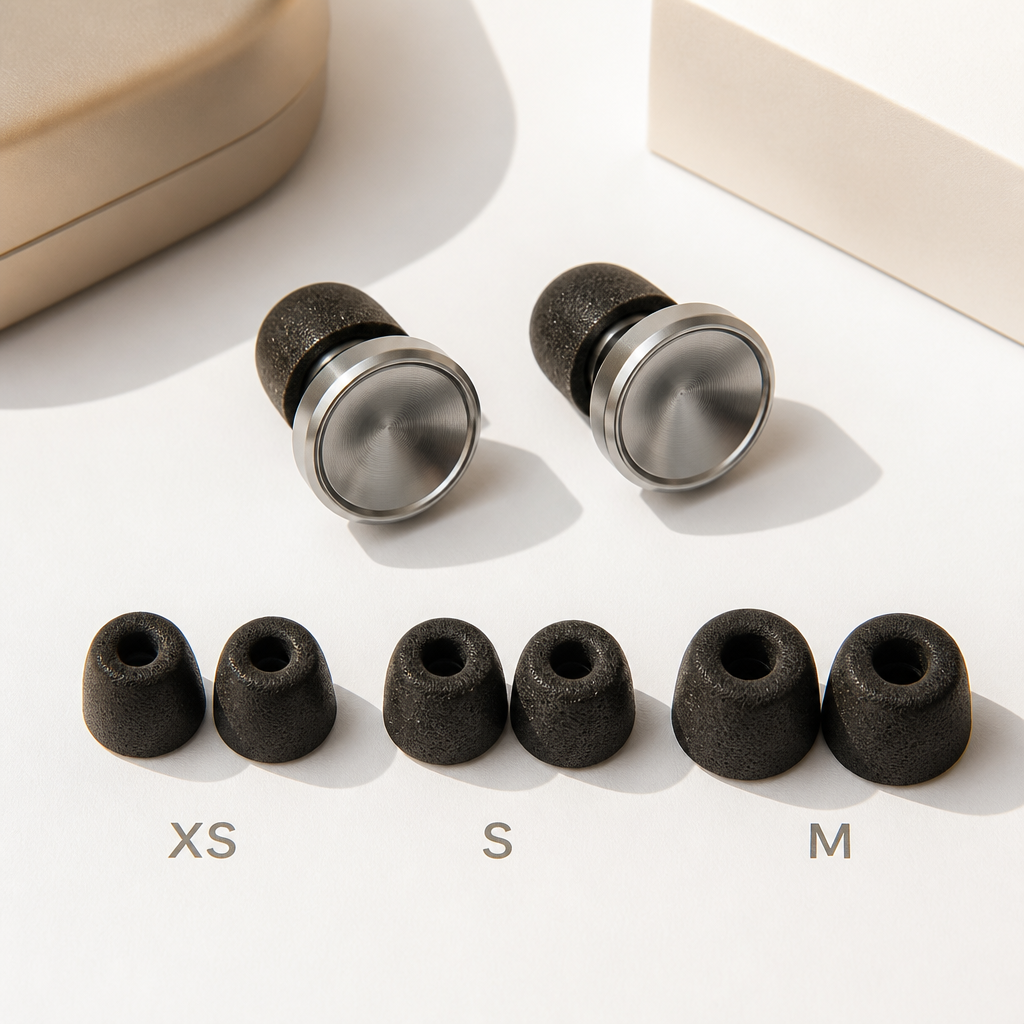
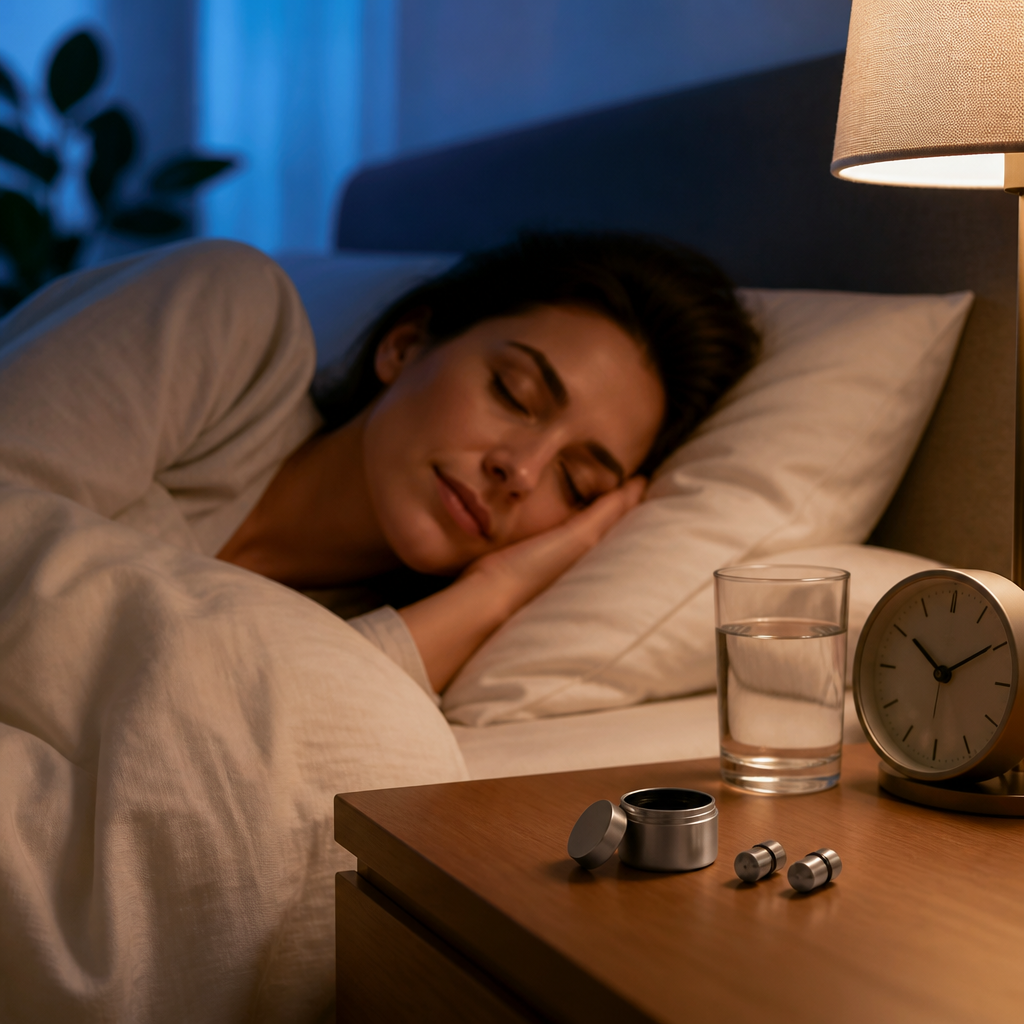
The risks of sleeping with earplugs are real but consistently overstated when hygiene and fit are treated as an afterthought. Understanding what can actually go wrong, and what cannot, lets you make an informed decision rather than an anxious one.
This is the most common side effect associated with regular earplug use. The ear canal naturally moves earwax outward through a process called epithelial migration. When an earplug blocks that path night after night, wax can accumulate and pack deeper into the canal. The consequences range from a feeling of fullness or muffled hearing to tinnitus (ringing in the ear) and temporary hearing reduction. Earwax buildup is not permanent, but it does require intervention: medicated eardrops or professional removal by a clinician.
The practical fix is twofold. First, do not insert earplugs so deeply that they pack against the wax. Second, take occasional nights off and keep ears gently clean. Using a reusable earplug with a cleanable body reduces the debris that enters the canal each night.
Bacteria accumulate on earplugs, particularly on porous foam surfaces that are difficult to clean properly. Reusing disposable foam earplugs night after night introduces bacteria directly into a warm, enclosed space. The result can be an outer ear infection (otitis externa), which presents with pain, swelling, fluid accumulation, and sometimes temporary hearing loss. Proper storage in a clean case, regular cleaning with mild soap and water, and replacing worn foam tips on schedule eliminate most of this risk.
Inserting earplugs too deeply is a genuine risk, particularly for side sleepers. When a large, protruding earplug gets pressed by a pillow, it can be forced further into the canal than intended. Excessive pressure can cause eardrum irritation and pain. A straightforward test: you should be able to remove your earplugs easily with two fingers. If you need tweezers, they are too far in. Choosing an earplug with a compact, low-profile body designed for sleep reduces this risk considerably.
Earplugs do not cause permanent hearing loss when used as intended. There is no physiological mechanism by which a correctly inserted earplug that simply reduces sound level would damage the cochlea or auditory nerve. The anxiety around this risk is not supported by clinical evidence. The risks that are real (earwax buildup, infection, over-insertion pain) are all manageable with basic hygiene habits.
Pro tip: If you wake up with a feeling of fullness or muffled hearing that clears within a few minutes of removing your earplugs, that is normal pressure equalisation. If the muffled sensation persists for hours after removal, see a healthcare professional to rule out earwax impaction or infection.
Not all earplugs are equally suited to nightly use. The materials, form factor, and hygiene characteristics of different designs create meaningfully different experiences and risk profiles over months and years of daily wear.
| Earplug Type | Noise Reduction | Hygiene for Nightly Use |
|---|---|---|
| Disposable foam | High NRR on paper (often rated 30-33 dB), but highly variable in practice because fit consistency is poor and foam degrades quickly | Poor for repeated use. Porous surface traps bacteria and earwax. Designed for single use, meaning daily replacement is the only safe approach, which creates cost and waste |
| Wax or silicone putty | Moderate. Conforms well to outer ear but does not seal the canal as precisely as an inserted tip | Better than foam for some users, but putty picks up debris, loses shape over time, and cannot be thoroughly cleaned between uses |
| Metal-body reusable with foam tips | Consistent and reliable. A precisely machined aluminium body paired with a correctly sized memory foam tip delivers predictable attenuation night after night, around 32 dB when properly fitted | Excellent. The hard metal body can be wiped clean between uses. Only the foam tip needs periodic replacement, typically every 6-8 weeks, rather than replacing the entire earplug daily |
The comparison above illustrates why the earplug body material matters as much as the tip. Disposable foam plugs carry a hygiene burden that is unavoidable without daily replacement. A durable, cleanable body with replaceable soft tips addresses both the hygiene problem and the fit consistency problem in one design.
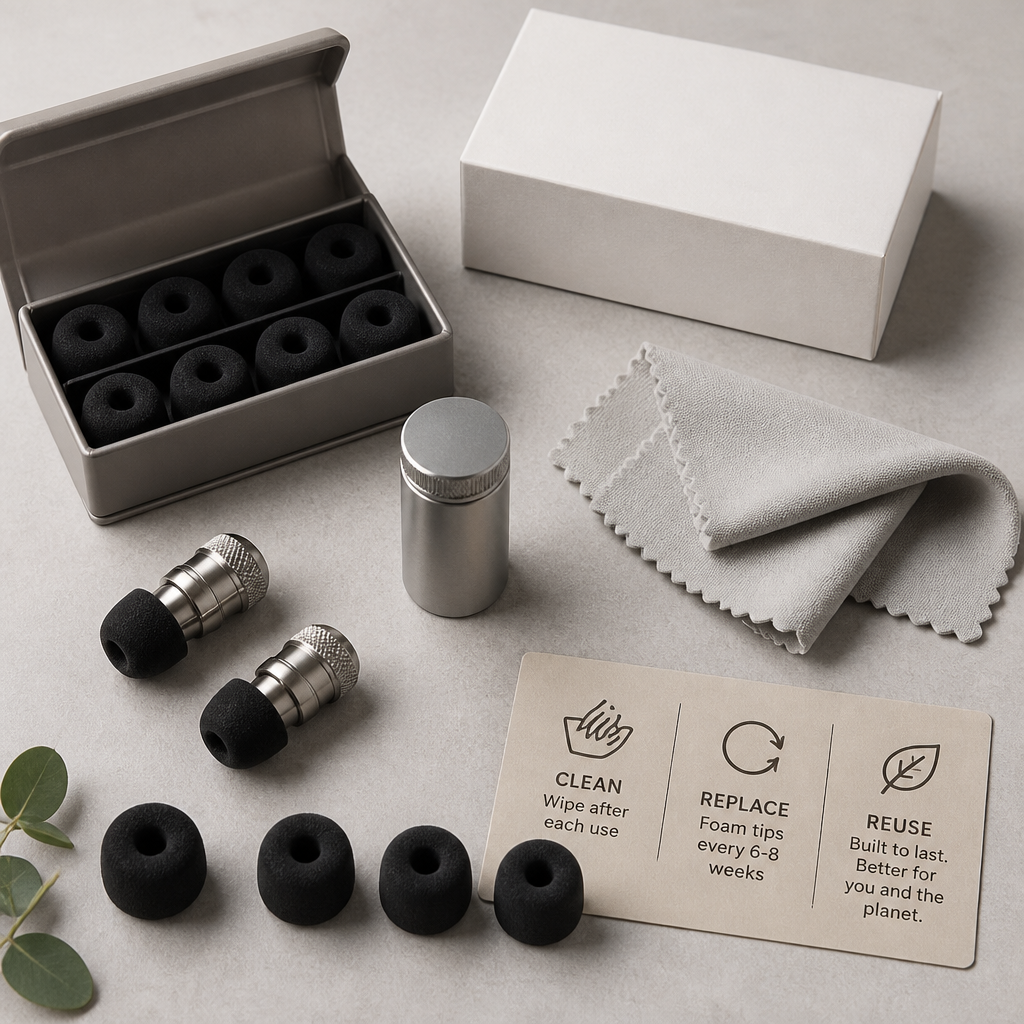
The gap between earplugs that cause problems and earplugs that genuinely improve sleep without side effects almost always comes down to habits, not the earplugs themselves. A few consistent practices eliminate the majority of reported issues.
Ear canals vary more than most people realise. Using a tip that is too small means the earplug does not seal properly, which undermines noise reduction without improving safety. Using a tip that is too large means the foam is under compression and may migrate deeper into the canal over a night of movement. Earplugs that come with multiple tip sizes (typically XS, S, and M) allow you to find the seal that holds position through a full night of sleep without over-reaching. Start with a medium tip, then size down or up based on how the earplug sits after a full night.
The goal is a seal just inside the opening of the ear canal, not maximum insertion depth. For foam tip earplugs, compress the tip, gently pull the outer ear upward and back to straighten the canal, insert the tip just far enough to feel resistance, and hold it briefly as the foam expands to fill the canal entrance. You should feel a noticeable drop in ambient sound. If you do not, the tip size or fit is wrong, not the depth.
Pro tip: Always wash your hands before inserting earplugs. The bacteria count on unwashed hands is one of the most preventable contributors to ear infections among regular earplug users. This step takes ten seconds and eliminates a significant hygiene risk.
For reusable earplugs, wipe the earplug body with a clean, damp cloth after each night’s use. Wash it with mild soap and water regularly, and dry it completely before storing. Keep earplugs in a clean case when not in use, not loose in a bag or on a nightstand where they collect dust and debris. Replace foam tips on schedule. Tips that have compressed, yellowed, or lost their expansion response are past their effective life and should be swapped out.
If you notice persistent muffled hearing, itching, pain, or discharge from the ear canal, stop using earplugs and consult a healthcare professional. These are signals that something needs attention. Most experienced earplug users never encounter these issues because consistent hygiene prevents them. But the monitoring step matters, particularly in the first few weeks of daily use when you are still dialling in your routine.
For the vast majority of adults, sleeping with earplugs every night is straightforward and beneficial. A smaller group should approach it more carefully or seek professional guidance first.
If you have a history of repeated outer or inner ear infections, your ear canal environment is already compromised. Regular earplug use creates additional moisture and potential bacterial exposure. A healthcare professional can advise whether earplugs are appropriate for you and which type minimises risk in your specific case.
A perforated eardrum changes the anatomy of the ear canal and the risk profile of anything inserted into it. If you have a known or suspected perforation, do not use earplugs without medical clearance. This is non-negotiable and not a situation for self-management.
Sleeping with earplugs safe for your ears does not automatically mean it is safe for your circumstances. Parents of infants who rely entirely on their hearing to detect distress, and individuals who depend solely on an auditory smoke or carbon monoxide alarm, need to weigh 32 dB of noise reduction against their specific safety context. Some households address this with additional alert systems (vibrating alarm devices, bed shakers, visual strobe alarms) rather than abandoning earplugs altogether.
Some people naturally produce significantly more earwax than average. For these individuals, nightly earplug use without any earwax management routine can accelerate buildup. Taking one or two nights off per week, allowing the canal to self-clear, and periodic professional ear cleaning if needed keeps this manageable without abandoning earplugs entirely.
Pro tip: If you are new to nightly earplug use, keep a simple log for the first month: note any mornings where you wake with ear discomfort, fullness, or reduced hearing. Patterns in that log make it much easier to identify whether a hygiene habit, tip size, or insertion technique needs adjusting before a minor issue becomes a persistent one.
Yes, for most healthy adults, using earplugs every night over an extended period is safe. The key conditions are consistent hygiene, correct insertion, appropriate tip sizing, and regular replacement of foam tips. Long-term users who maintain these habits rarely experience significant ear health issues. If anything, the long-term protection from chronic noise disruption outweighs the minor management effort required to keep earplugs clean.
No. Earplugs reduce the sound level reaching the eardrum. They do not affect the cochlea, auditory nerve, or the inner ear structures responsible for hearing. There is no physiological mechanism by which a correctly used earplug causes hearing loss. In contrast, chronic exposure to noise without hearing protection is a well-established cause of permanent hearing damage. Earplugs work in the opposite direction.
For reusable earplugs with replaceable memory foam tips, the replacement interval is typically every 6-8 weeks with nightly use. Signs that tips need replacing include: loss of expansion speed (the tip no longer bounces back quickly after compression), visible discolouration or yellowing, a persistent odour, or a noticeably looser seal than when the tips were new. Replacing tips on schedule is far more economical and hygienic than replacing the entire earplug.
Pain after wearing earplugs overnight is almost always caused by one of three things: tips that are too large and create excessive canal pressure, insertion that was too deep, or a reaction to bacteria on dirty earplugs. Start by checking tip size. Then verify insertion depth: you should be able to grasp and remove the earplug easily with two fingers. Clean the earplug body and replace the tips. If pain persists after correcting these factors, see a healthcare professional to rule out an early ear infection or irritation.
Earplugs with around 32 dB of noise reduction significantly lower background noise but do not create total silence. A standard smoke alarm or phone alarm emits sound at a level that remains audible through a well-fitted earplug for most people. However, if you are a particularly heavy sleeper, if your alarm is unusually quiet, or if you are in a situation where you bear specific responsibility for hearing nighttime alerts, it is worth testing your alarm audibility while wearing your earplugs and considering supplemental alert systems if needed.
Earwax buildup from nightly earplug use is a manageable inconvenience, not a serious health threat when addressed promptly. Symptoms include a feeling of fullness in the ear, muffled hearing, or ringing. Left untreated for extended periods, impacted earwax can become uncomfortable and harder to remove. Prevention through occasional nights off and proper hygiene is straightforward. If buildup occurs, medicated eardrops designed to soften wax are usually effective. For more significant impaction, a clinician can perform safe removal.
Yes, with one important condition: the reusable earplug must actually be cleaned regularly. A reusable earplug with a hard body that can be wiped and washed between uses, paired with replaceable foam tips, is substantially more hygienic than a disposable foam plug that cannot be properly cleaned and accumulates bacteria with each use. Disposable foam earplugs reused night after night without replacement are among the most hygiene-compromised options available, despite being the most widely used.
Have you been using earplugs every night, and has a particular habit or product feature made a difference to your comfort and ear health? Share your experience in the comments below.

