


 0

If you have ever walked out of a concert with a high-pitched whine that lingered until the next morning, you have already seen the link between noise exposure and tinnitus. For many people that ringing fades within a day or two. For others it sticks around, and the question becomes whether a pair of earplugs could have stopped it. The honest answer is that earplugs for tinnitus prevention can work, but only when they are chosen and worn for the right reasons. This guide explains what the evidence supports, where earplugs fall short, and how to use them without making your ears more sensitive over time.
| Key Insight | Explanation |
|---|---|
| Earplugs protect, they do not cure | They reduce the sound reaching your inner ear during loud exposure, but they do not lower tinnitus that has already started. |
| Protect before the ringing starts | Putting plugs in before a loud event is the step most likely to lower your risk of noise-induced tinnitus. |
| Match the tool to the noise | Foam tips suit short, very loud bursts. Filtered or custom designs suit all-day exposure where you still need to hear speech. |
| Read the rating, then test the fit | Higher noise reduction ratings generally mean more reduction, but a poor seal can cut the real-world benefit sharply. |
| Skip constant wear in quiet rooms | Blocking all sound at home for long periods can make your brain amplify sound and tinnitus over time. |
| Replace tips on a schedule | Foam tips that harden, shrink, or pick up debris stop sealing properly, so replace them every 6 to 8 weeks. |
Earplugs cannot prevent every case of tinnitus, and they cannot switch off ringing that has already begun. What they can do is reduce the sound energy reaching your inner ear during exposures that would otherwise cause damage. Of all the steps you can take, wearing hearing protection is one of the few that is fully within your control.
The expert guide on tinnitus earplugs at neuromedcare.com makes a useful distinction. Earplugs protect a vulnerable auditory system from further damage and reduce sound-triggered spikes, but they do not lower tinnitus volume itself. The same guide notes there is no such thing as a tinnitus earplug in the strict sense, so the value comes from wearing a standard, well-fitting pair in the right places.
The evidence for prevention is strongest for loud events. A 2016 review on earplugs and hearing loss found only one well-conducted randomized clinical trial, and it showed that wearing earplugs to concerts reduced the temporary shifts in hearing measured after the show. That is a narrow evidence base, so treat earplugs as a sensible layer of protection rather than a guarantee.
In practice, the highest-value use is the night you already know will be loud. Concerts, motorsport events, power tool days, and long hours at a shooting range are the situations where protection pays off. Wearing plugs through a quiet supermarket trip buys you very little.
Tinnitus often follows damage to the inner ear, where tiny sensory hair cells convert sound into nerve signals. Intense or prolonged noise can injure those cells. The Hearing Associates of Dothan overview describes tinnitus as often caused by inner ear damage that can develop when you are around high noise levels without protection.
Two patterns cause most noise-related ringing. The first is a single sharp event, such as an explosion, a gunshot, or a heavy impact. The second is repeated moderate noise over hours, such as a factory floor or a loud gym class. Sharp, intense sounds from shooting ranges, explosions, or industrial work can pose risk to your ears, and those bursts can lead to tinnitus without protection.
There is a common belief that only very loud places matter. The same overview points out that audiologists believe even moderate noise can cause problems over time, including hearing loss and tinnitus. A commute on a loud train or a full shift beside a blender in a commercial kitchen adds up, even when no single moment feels dangerous.
A practical rule of thumb: if you have to raise your voice to be heard by someone an arm’s length away, the environment is loud enough to justify protection. Ringing or muffled hearing that lingers after you leave is a sign that the exposure was too much for that session.
Ringing or muffled hearing after a loud event is often a temporary threshold shift, meaning your hearing sensitivity has dropped for a while. Repeated episodes raise the risk that some of that loss becomes lasting. That is why the goal is to avoid the first shift, not to wait it out and hope for the best.
Not every earplug behaves the same way, and the type you choose matters more than the brand name on the packet. Foam, filtered, and custom-fit designs trade off attenuation, comfort, and how much ambient sound they let through. Understanding those trade-offs makes it much easier to pick the right tool for each situation.
Foam earplugs can give strong attenuation when they seal well, which is why the neuromedcare guide recommends them for short bursts in very loud settings. The trade-off is that full blockage can feel strange over long periods, and a poorly rolled foam plug can leak noise through the canal.
Filtered or high-fidelity designs reduce volume more evenly, so speech and music stay recognisable. The neuromedcare guide prefers these for daily use in loud environments because they lower volume without total occlusion.
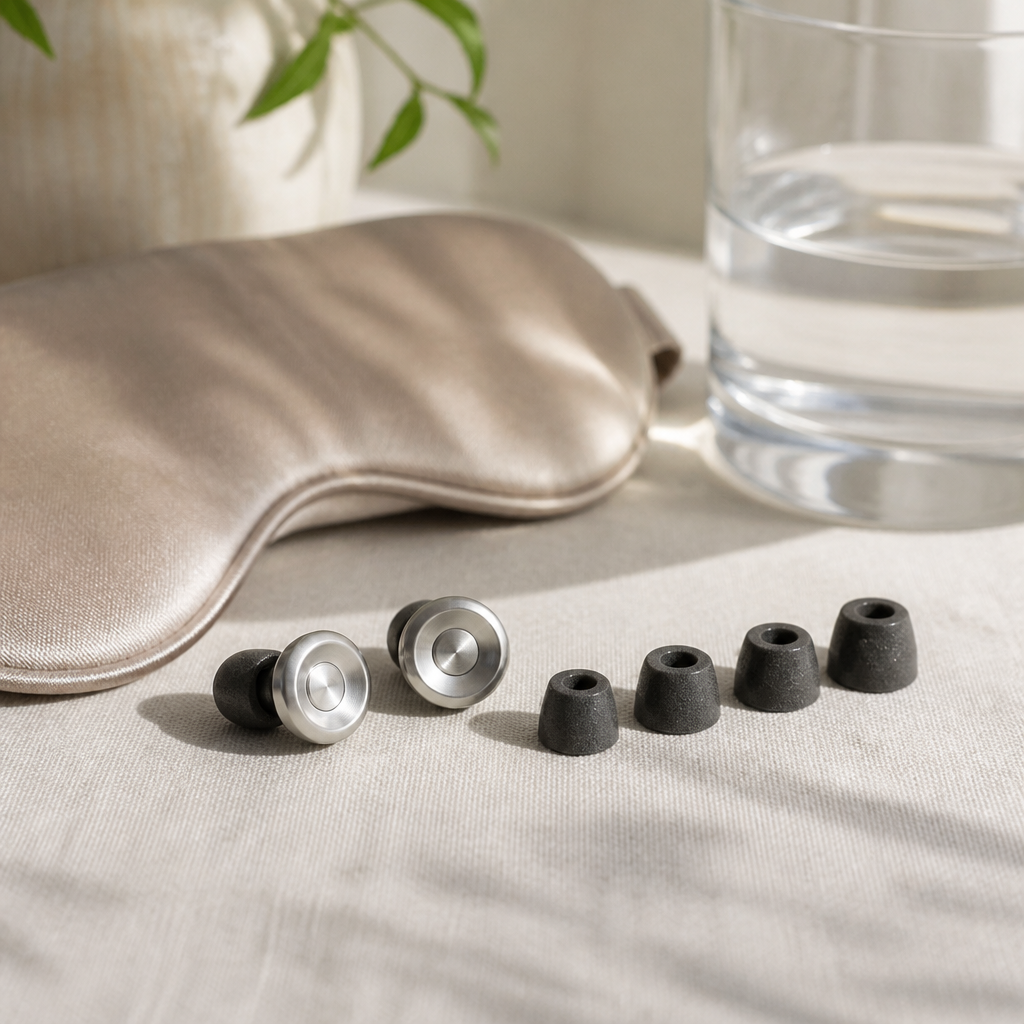
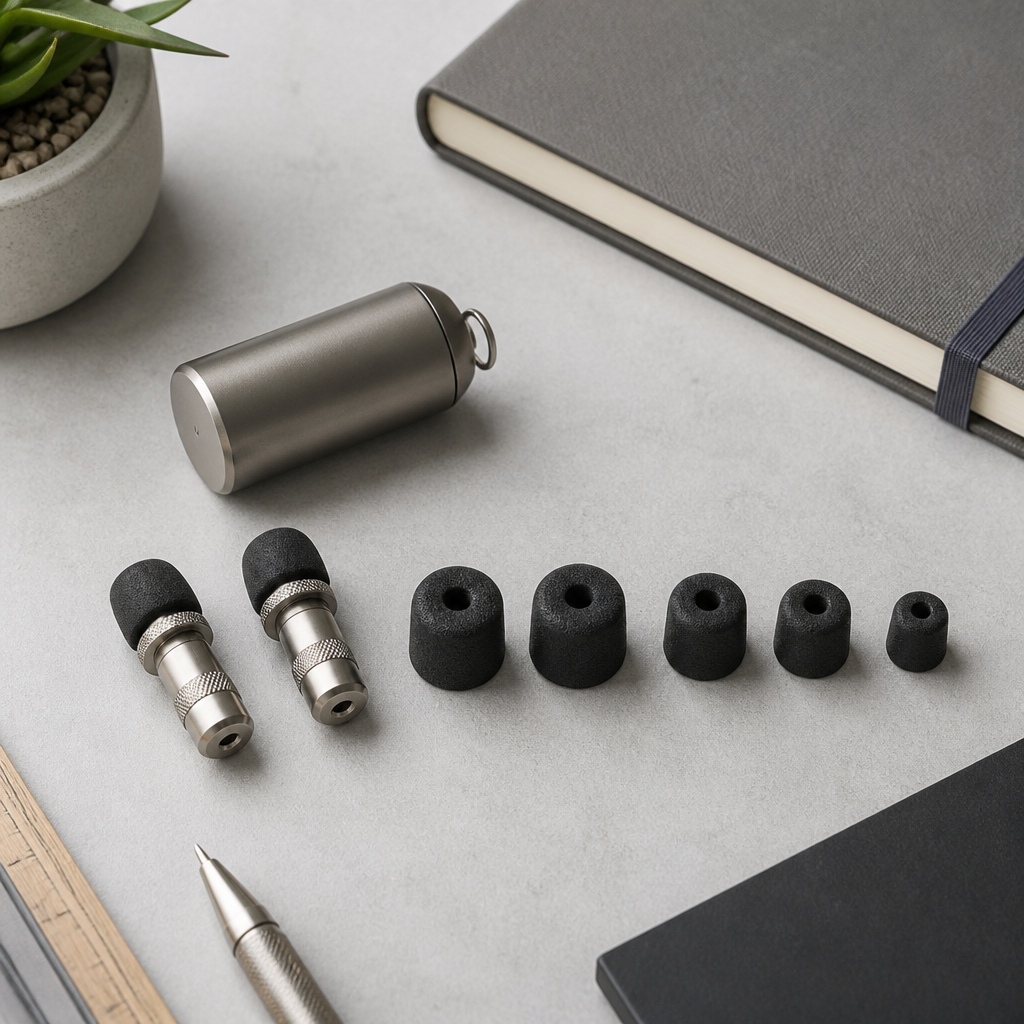
ATTENU8 builds its pairs around a concave aluminium body with three tip sizes, XS, S, and M, so the seal is the part you adjust rather than the whole plug. Only the memory foam tips need replacing, roughly every 6 to 8 weeks depending on use and cleaning. Our stated noise reduction is approximately 32dB, but treat any single figure as a starting point for comparison, not a promise for every noise. You can see the full range on the ATTENU8 homepage.
Pro tip: Try all three tip sizes before you need them, ideally at home, and choose the one that seals comfortably without pressure or a feeling of suction. A tip that is too small leaks, and one that is too large pushes against the canal and becomes uncomfortable within an hour.
Before you choose, compare the options against the noise you actually face. The table below sets out four common approaches and where each one fits best.
| Protection Option | Best Use | Main Trade-off |
|---|---|---|
| Disposable foam earplugs | A single very loud event, such as a live gig or a demolition day | Fit depends heavily on insertion technique, and tips are discarded after use |
| Reusable metal-bodied pairs with foam tips | Repeated loud days, travel, and noisy nights at home | Tips need cleaning and replacement every 6 to 8 weeks |
| Filtered or high-fidelity earplugs | All-day exposure where you still need to hear conversation | Lower maximum attenuation than full-blockage foam |
| Earmuffs | Long sessions where in-ear plugs feel uncomfortable | Bulkier, and less practical under helmets or in tight spaces |
No single option is best for every setting. Hearing Associates of Dothan suggests that having more than one type on hand lets you assess the situation and match protection to the noise level. In our experience, keeping one pair of reusable plugs in your bag and one set of earmuffs in the vehicle covers most real-life exposures.
Also check the noise reduction rating on the packaging. The NIDCD explains that most hearing protectors carry a noise reduction rating, and that a higher rating generally means more reduction. Those ratings come from test conditions, though, and a loose fit or a damaged tip can deliver far less than the number on the box.
Light sleepers are a major reason people buy reusable earplugs, and sleep is where the strategy question gets tricky. Sleep protection and ear protection are different goals. A plug that helps you sleep through traffic is not automatically one that protects against damaging noise, and the two goals can pull in different directions.
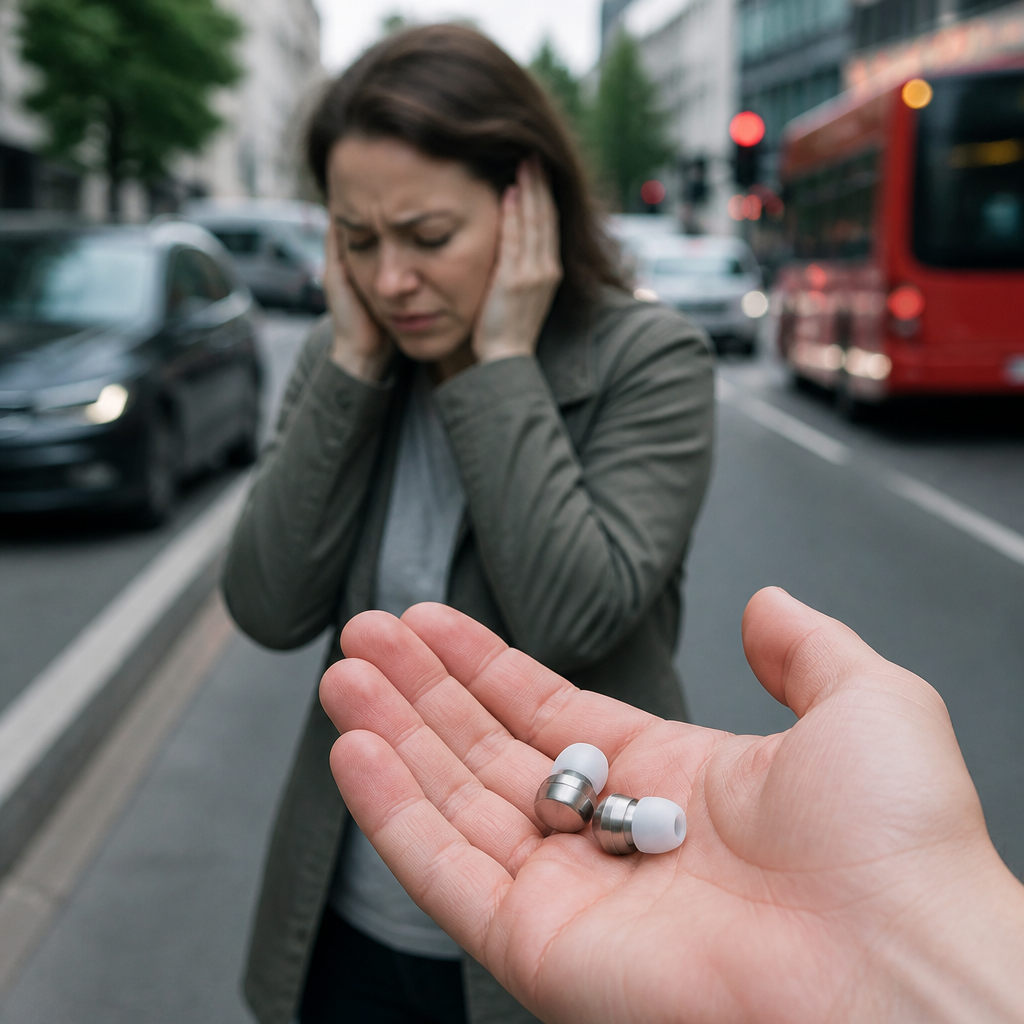
Traffic, neighbours, and a partner’s snoring usually sit well below the levels that injure hearing. Wearing plugs for comfort at night is reasonable, but it should not become a habit that cuts you off from ambient sound for most of the day. Think of sleep plugs as a comfort tool and a separate decision from hearing protection.
The neuromedcare guide raises a point worth taking seriously. Sustained sound deprivation can increase central gain, the brain’s amplification of incoming signals, which can make tinnitus more noticeable. That is why the guide advises against constant wear in quiet settings, where the brain still needs ambient sound to stay calibrated.
Protection is a tool for specific exposures, not a permanent state for your ears.
In practice, use plugs for sleep when you need them, take them out during quiet daytime hours, and avoid making them a default for every room. If you notice that ordinary household sounds have started to feel harsh, that is a signal to scale back your use rather than add more protection.
Workers in construction, manufacturing, and the military often face the highest cumulative noise exposure. For them, earplugs are a daily safety tool rather than an occasional comfort. The real challenge is consistency, because a plug worn for half a shift protects only half of the exposure.
Custom-fit earplugs are often the ideal solution for workers who must wear protection every day, since they follow the exact shape of the ear and tend to be more comfortable over long hours. Off-the-shelf pairs can work well too, but only if the tip size is right and you check the seal each time you insert them.
Pro tip: Clean reusable tips with mild soap and dry them fully before reinserting. Moisture trapped in foam weakens the seal and can irritate the ear canal, which makes people more likely to skip wearing the plug altogether.
A practical routine has three parts. Insert the plugs before you enter the loud zone, check the seal with a quick press and release, and remove them only after you leave the area. Keep a spare pair in your vehicle or locker so you never work unprotected because a plug was lost.
Shooting ranges and training exercises produce sharp impulse noise that can damage hearing quickly. Because the source material on hearing protection stresses that sudden bursts pose real risk, keep both plugs and earmuffs available and choose by the exposure. Plugs suit tight spaces and long gear use, while earmuffs can give extra attenuation when the impulses are frequent and severe.
Earplugs are not harmless in every situation. Overuse can backfire, and the mechanism is central gain rather than the plug itself. The neuromedcare guide describes overuse as a trigger that causes the brain to amplify the signal, so tinnitus seems louder.
Watch for ringing that becomes noticeably louder when you remove your plugs, growing sensitivity to ordinary household sounds, and a reluctance to enter normal environments. These signs suggest that protection has slipped into avoidance. Avoidance is the stage where the problem usually starts to grow.
A specialist perspective in the neuromedcare guide describes how sustained auditory deprivation can reinforce a fear-avoidance loop, worsening both sound sensitivity and tinnitus prominence. Breaking that loop usually requires gradual, medically guided re-exposure to normal sound levels rather than more blocking.
The same guide also cautions against one-size-fits-all advice. Some people with reactive tinnitus or sensory processing concerns need strategic protection while the underlying issue is addressed. Treat advice to never wear plugs with the same skepticism as advice to always wear them.
If ringing has already started, earplugs will not switch it off, so your next step is an assessment rather than another gadget. Ringing that does not settle within a day or two after a loud exposure, or that comes with hearing loss, dizziness, or ear pain, deserves a clinical visit. Do not wait for it to fade on its own if it is still there the next morning.
Hearing Associates of Dothan advises consulting an audiologist once symptoms appear, both for treatment advice and for ways to prevent further damage. An audiologist can test your hearing across frequencies and tell you whether your protection plan needs adjusting. That single test often answers more questions than months of guessing.
Bring a short note of your recent loud exposures, when the ringing started, and what protection you used. That history helps a clinician decide whether the problem is ongoing noise damage, something else, or both. Clear notes also make it easier to judge whether your earplugs are doing their job.
Earplugs can lower the risk of noise-induced tinnitus by reducing the sound reaching your ears during loud exposure, but they cannot guarantee prevention. Their value is greatest for events you can plan for, such as concerts, power tool work, and range days.
Wearing earplugs for loud environments does not normally make tinnitus worse. Constant wear in quiet settings can increase central gain over time, which may make tinnitus more noticeable, so use them for specific exposures rather than all day.
For short, very loud events, a well-fitting foam tip usually gives the strongest protection. For all-day exposure where you still need to hear speech, filtered or custom designs are usually more practical. Choose based on how long and how loud the exposure is.
ATTENU8 foam tips should be replaced roughly every 6 to 8 weeks. Replace them sooner if they harden, lose their shape, or pick up dirt, because a worn tip stops sealing properly and cuts protection.
If ringing or muffled hearing lasts beyond a day or two, or comes with ear pain, dizziness, or noticeable hearing loss, book an appointment with a clinician or audiologist. Early assessment gives you the best chance to protect the hearing you still have.
Neither option is universally better. Earmuffs can be more comfortable for long sessions and are easy to put on and take off, while plugs suit tight spaces and situations where earmuffs do not fit under other gear.
Tell us in the comments whether earplugs have helped you avoid ringing after a loud event, or whether a pair ever made your ears feel worse.

