


 0

Ear plugs look like the safest gift on the table until the recipient tries them, the tips pop out after ten minutes, and the pair ends up in a drawer. A useful ear plugs gift guide starts with one question: what is the person trying to block? A light sleeper who wakes at a neighbour’s door needs something different from a site worker who needs protection through an eight-hour shift. This guide covers the choices that decide whether a gift actually gets used, from noise reduction and fit to replacement tips and presentation.
| Key Insight | Explanation |
|---|---|
| Name the problem before choosing a product | A light sleeper, a commuter and a construction worker need different levels of protection and different comfort priorities. Write the use case down before you shop. |
| Fit decides more than the rating | A high noise reduction figure means little if the tip leaks. Ear canals vary, so a set with three tip sizes (XS, S, M) is the safer gift when you do not know the size. |
| Treat the 32dB figure as a best-case number | ATTENU8 rates its pairs at approximately 32dB. Real-world reduction depends on how the plug is seated and what kind of noise is in the room. |
| Plan for replacement tips | Foam tips on reusable pairs generally need replacing every 6-8 weeks. Add the first replacement date to the card so the gift stays useful after the first month. |
| Do not swap plugs for workplace hearing protection | A personal pair can supplement a workplace program but should not replace one. Check the recipient’s site rules before assuming a gift covers them. |
| Tell the recipient what the plugs are for | A pair given without context can read as a comment on snoring or noise. A short note about the intended use turns the gift into a practical present. |
Not everyone who complains about noise will thank you for a pair of plugs. The best recipients are people who already know the problem exists and have tried something else, usually foam plugs that felt uncomfortable, stayed loose, or were hard to keep in overnight. If the recipient has never mentioned noise, a pair of plugs can land as a hint, so this gift works best when it answers a problem they have already named.
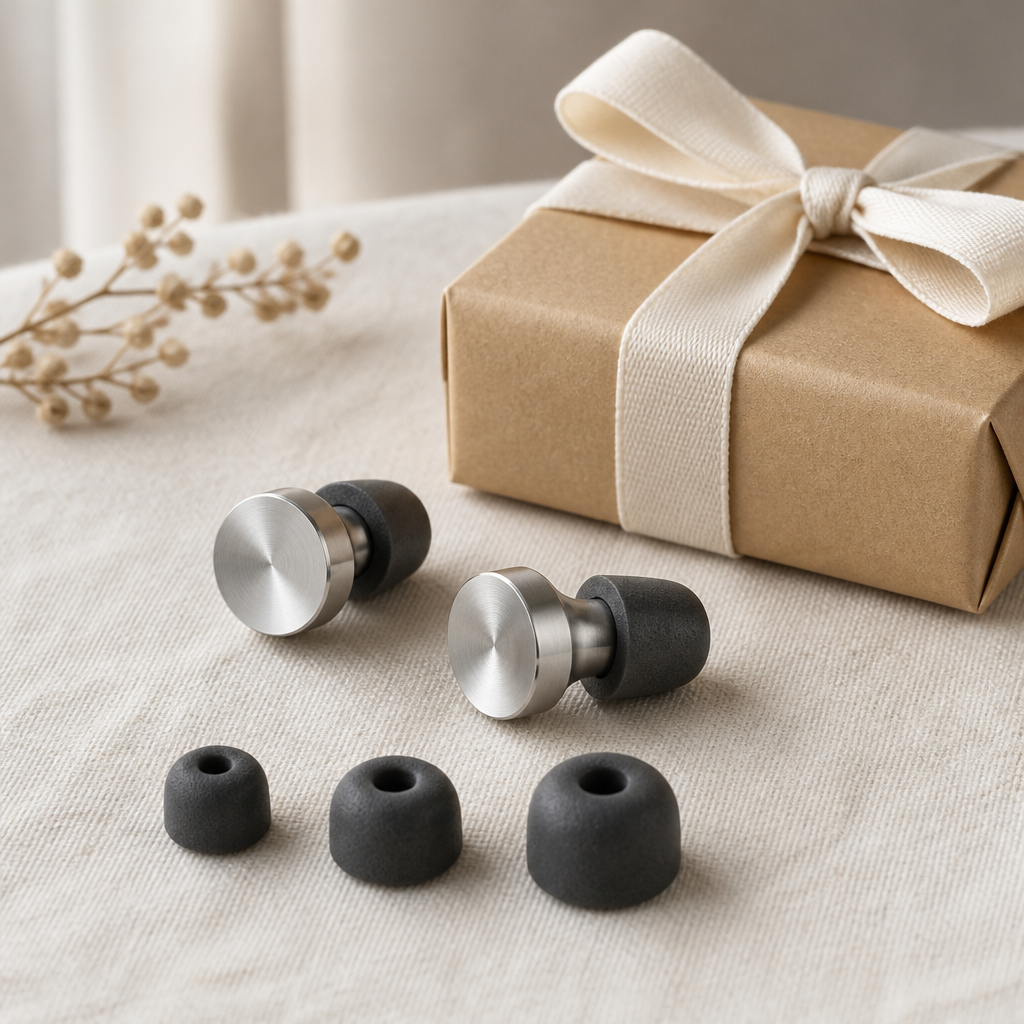
Light sleepers often wake at a door closing, a pipe knocking, or a partner turning over. For this group, the goal is not total silence but a drop in the sounds that keep breaking sleep. Ask whether the recipient wants to block everything or just take the edge off traffic, a neighbour’s television, or a snoring partner.
In practice, the people who stick with plugs are the ones who find them comfortable enough to forget they are in. That comfort factor matters more for sleep than any single number printed on a box.
Night trains, hostel dormitories and long-haul flights are the classic travel cases. The recipient usually needs something compact that fits in a jacket pocket and cleans up without fuss. A reusable pair with a small case makes more sense here than a stack of single-use pairs that get thrown away after every trip.
Construction, manufacturing and military roles involve sustained exposure to loud noise, and many of these workers already receive protection through their employer. A personal pair is useful as an extra layer for off-shift noise, loud commutes, or home tasks like power tools and lawn equipment. It should not be treated as the main protection on a noisy site.
Noise reduction ratings are the first thing most buyers check, and they are the easiest thing to misread. ATTENU8 pairs are rated at approximately 32dB, which is a strong reduction for a reusable plug. But a rating describes performance with a correctly seated plug, not what the wearer hears at 3 a.m. with a snoring partner in the next bed.
The number tells you how much sound a correctly fitted plug can reduce. It does not tell you how comfortable the plug will feel after six hours, whether it will stay put during sleep, or how well it handles low-frequency sounds like traffic rumble. Treat the figure as a ceiling you reach only with a good fit.
A noise rating describes what a plug can do when it is seated correctly. Whether it does that for eight hours a night depends on comfort, fit and the wearer’s habits.
Some light sleepers find very high attenuation isolating. A person who needs to hear a smoke alarm, a baby monitor or a child calling from another room may find a deep seal unsettling, and they may pull the plugs out at the first sign of trouble. In that case, a moderate option or a pair they can remove quickly is the better gift choice. Ask what they need to hear before deciding how much to block.
Pro tip: Ask the recipient one question before buying: do you need to hear anything at night? The answer tells you whether to prioritize full blocking or comfort with partial reduction.
A plug with a strong rating is useless if it sits loosely in the ear canal. Ear canals differ in width and shape, and the size that works for one person can leak or hurt for another. This is the most common reason a good gift gets abandoned, and it is also the easiest to prevent.
Each ATTENU8 pair includes three tip sizes (XS, S and M), which removes most of the guesswork. If you know the recipient’s size from a previous pair or from them telling you directly, you can gift the matching size with a note. If you do not know, keep all three sizes in the gift and tell them to try each one before settling on the best seal.
A common mistake is assuming a bigger tip always seals better. An oversized tip can press against the canal wall and cause pressure discomfort, while an undersized tip leaks around the edge. The right size should feel secure without pressure, and the wearer should not need to push the plug in again every time they lie down.
Comfort is what keeps a plug in use after the novelty wears off. In the consumer testing covered in our references, comfort was the main point of difference among reusable designs, and testers voted one model the most comfortable by a clear margin. For a gift, that matters more than a headline number, because the recipient judges the pair on their first night, not on the box.
Foam tips soften and compress over time, which is part of why replacement matters. Foam and silicone also feel different in the ear, so if the recipient has tried a material before and disliked it, avoid repeating that choice.
The design of a reusable pair changes what you are actually buying. ATTENU8 uses a concave aluminium body with soft memory foam tips, which means the metal part is meant to last while the tips are the part that wears out. For a gift, that split is useful, since the recipient keeps the body and replaces only the tips. Make sure they know this, because some people assume a reusable plug is permanent in every part.

A metal body gives the pair weight and structure, so it sits in a case without crushing and feels solid in the hand. Replaceable tips are the sensible design for a gift because the recipient does not have to buy a whole new set when the foam wears down. Over several months, that usually means less waste than repeatedly buying single-use pairs.
Foam tips generally need replacing every 6-8 weeks, depending on how often the pair is used and how it is cleaned. Most recipients will not track that interval on their own. A card that states the replacement interval, plus a calendar reminder set for the first date, keeps the gift working past the first month.
Keep the replacement plan simple. Tell the recipient where to find replacement tips, how often to check them, and what to do if one tears. You can review current product details at ATTENU8 before you buy.
Pro tip: Write the first replacement date on the gift card. A reminder stops a good pair from quietly ending up in a drawer when the tips wear out and the recipient assumes the whole thing is finished.
Three product types dominate most gift shelves, and each suits a different person. The table below compares them on the criteria that matter for a gift rather than on price, because prices vary by market and change often. Use it to narrow the field before you look at individual listings.
| Approach | Strengths as a Gift | Limitations |
|---|---|---|
| Metal-bodied reusable pair with memory foam tips | Durable body, replaceable tips, three fit sizes in one set, suited to repeated nightly use | Foam tips need replacing every 6-8 weeks, and the recipient must know to reorder them |
| Single-use foam multipack | Low upfront cost and easy to add as a stocking filler | Generates waste, can look like an afterthought as a gift, and the recipient must keep buying |
| Reusable silicone pair | Easy to clean, often a good option for people who dislike foam, compact to carry | Fit depends heavily on the wearer’s ear canal, and sizing options vary by design |
A multipack is a reasonable choice for a stocking filler, a colleague who keeps losing plugs, or someone who wants to try the idea before committing to a reusable pair. It is a weak choice for a considered gift, because the recipient receives something that looks disposable. If you pick one, add a note suggesting they try a reusable pair next time.
Silicone reusable pairs suit people who find foam too spongy or who want something that wipes clean after a dusty worksite or a long flight. The trade-off is fit. Some silicone designs come in fewer sizes, so a poor match is harder to fix. If the recipient’s ears have caused trouble with other plugs, a multi-size set is the safer choice.
Presentation affects use more than most buyers expect. A pair handed over in a plain box with no explanation may sit unopened, while a pair with a short note about insertion and replacement usually gets tried that night. The goal is to answer every question the recipient would otherwise have to work out alone.
Keep the note to three lines. State the size or sizes included, the first replacement date, and one sentence on how to seat the plug, such as gently compressing the tip before inserting it and holding it for a few seconds while it expands. Avoid vague wording like ‘hope these help’, because the recipient needs practical instructions more than sentiment.
A pair of plugs works well alongside an eye mask, a small zip case or a travel pouch. The combination signals a considered gift for someone who already has a bedtime routine or travels often. Avoid bundling too many accessories, which can make a simple gift look cluttered and hide the plugs themselves.
Pro tip: If the gift is for a partner or housemate, tell them what it is for before they open it. A surprise pair of plugs can read as a comment on snoring, and the goodwill of the gift disappears fast.
Most failed ear plug gifts fail for predictable reasons. The giver chooses based on their own tolerance for noise, the recipient has different needs, and nobody explains the fit or the replacement plan. Avoiding those three errors covers most of the risk.
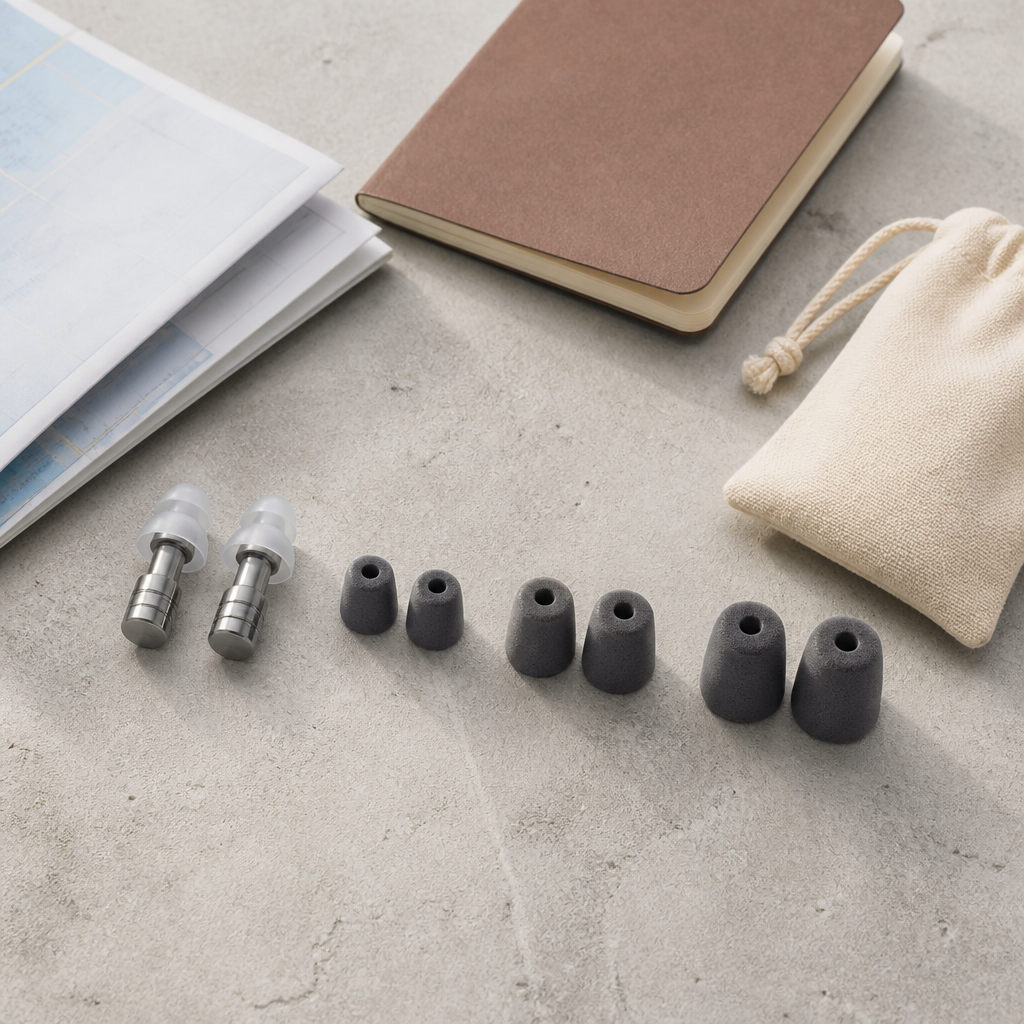
If you sleep through traffic, you may assume a light sleeper only needs a basic pair. That is backwards. People who wake easily need comfort and reliable fit more than the lightest possible reduction, because a plug that falls out is worse than no plug for someone who depends on it. Ask about the recipient’s sleep history instead of guessing.
A pair chosen for a long-haul flight may be wrong for a night shift, and a set bought for a music festival may not suit sleep. Match the gift to the scenario you wrote down earlier. If the scenario is mixed, such as sleep plus occasional loud work, choose a set that handles both and explain how to use it.
Another common error is giving one size to a group, such as a shared gift for a family. Shared gifts rarely fit everyone, so either give individual sets or include all sizes with a short fit guide.
Ear plugs are a useful tool, but they have limits, and a gift should never suggest they replace proper hearing protection. This matters most for people in loud workplaces and for anyone with existing hearing concerns. Be clear in your note about when the plugs are meant to be used.
Many employers run hearing protection programs that include approved equipment, training and checks. A personal pair can add comfort off shift, but it should not replace the protection a supervisor has required on site. If you are buying for a worker, check the site requirements or ask the recipient to confirm before assuming a pair meets the rules.
Persistent ringing, sudden changes in hearing, or pain when inserting a plug are reasons to stop using it and see a healthcare professional. A gift should never be the reason someone ignores those symptoms. A single line in the note saying so is a small addition that protects the recipient.
A reusable pair with a comfortable fit and multiple tip sizes is usually the strongest choice. Light sleepers often abandon plugs that feel tight or fall out, so comfort and fit should outrank the highest noise reduction figure on the box.
If you do not know the recipient’s size, include all three sizes and tell them to test each one lying down. If they have used plugs before, ask what size they wore, or simply include the full set.
For someone who uses plugs regularly, yes. A reusable pair with replaceable tips creates less waste and makes a more considered impression than a multipack. For occasional use, a disposable pack can be a reasonable stocking filler.
Foam tips on reusable pairs generally need replacing every 6-8 weeks, depending on how often they are used and how they are cleaned. Add that interval to the gift note so the recipient knows when to reorder.
No. A personal pair can supplement a workplace hearing protection program, but it should not replace equipment and rules set by the employer. Check the site requirements before assuming a gift meets them.
Include the size or sizes, the first replacement date, the intended use, and one line on how to seat the plug. Keep it short and practical so the recipient knows exactly how to start using the gift that night.
Share what worked and what did not for you, so we can refine this guide for the next gift-giving season.

