


 0

If you have ever lain awake at 2 a.m. listening to a delivery van reversing, bass from the bar on the corner, and a bin lorry that seems to stop directly outside your window, you already know the problem. Sleeping on a noisy street is not a matter of willpower. For light sleepers, sound at moderate volume can pull you out of deeper sleep again and again, even when you never fully wake up. This guide covers the practical steps that reduce the noise reaching your head, from quick bedroom changes to fitting ear plugs for city living so they actually seal.
| Key Insight | Explanation |
|---|---|
| Name the noise before buying anything | Nightlife, traffic and early morning street work need different fixes. A two week log shows which one is waking you. |
| Fit matters more than the rating on the box | A sleep writer who has tested many pairs describes a well-fitting plug rated 33 decibels against a loose one that manages only 27. A poor seal throws away the benefit. |
| Seal the window and door before adding curtains | Sound takes the easiest path through gaps. Self-adhesive seals and a door sweep often cut more noise than a heavier curtain. |
| Put the bed on the wall facing away from the street | Moving the bed away from the street-facing wall reduces direct sound and the vibration that travels through the building structure. |
| Mask with steady, low-level sound | A consistent brown or pink noise covers sudden spikes. Place the device across the room, not next to your head. |
| Replace foam tips every 6 to 8 weeks | Worn tips lose their shape and stop sealing. Reusable metal-bodied pairs only need new tips, not a whole new set. |
| Protect the loudest hours with routine | Get into bed before the busiest part of the night and keep a regular schedule so your sleep stays steadier. |
Street noise does not need to be loud to break your sleep. A light sleeper’s brain keeps monitoring the environment through the night, so a single van door or a motorbike at 3 a.m. can push you from deep sleep into lighter stages without you remembering it in the morning. That is why people on busy streets often feel unrested even when they are sure they slept well.
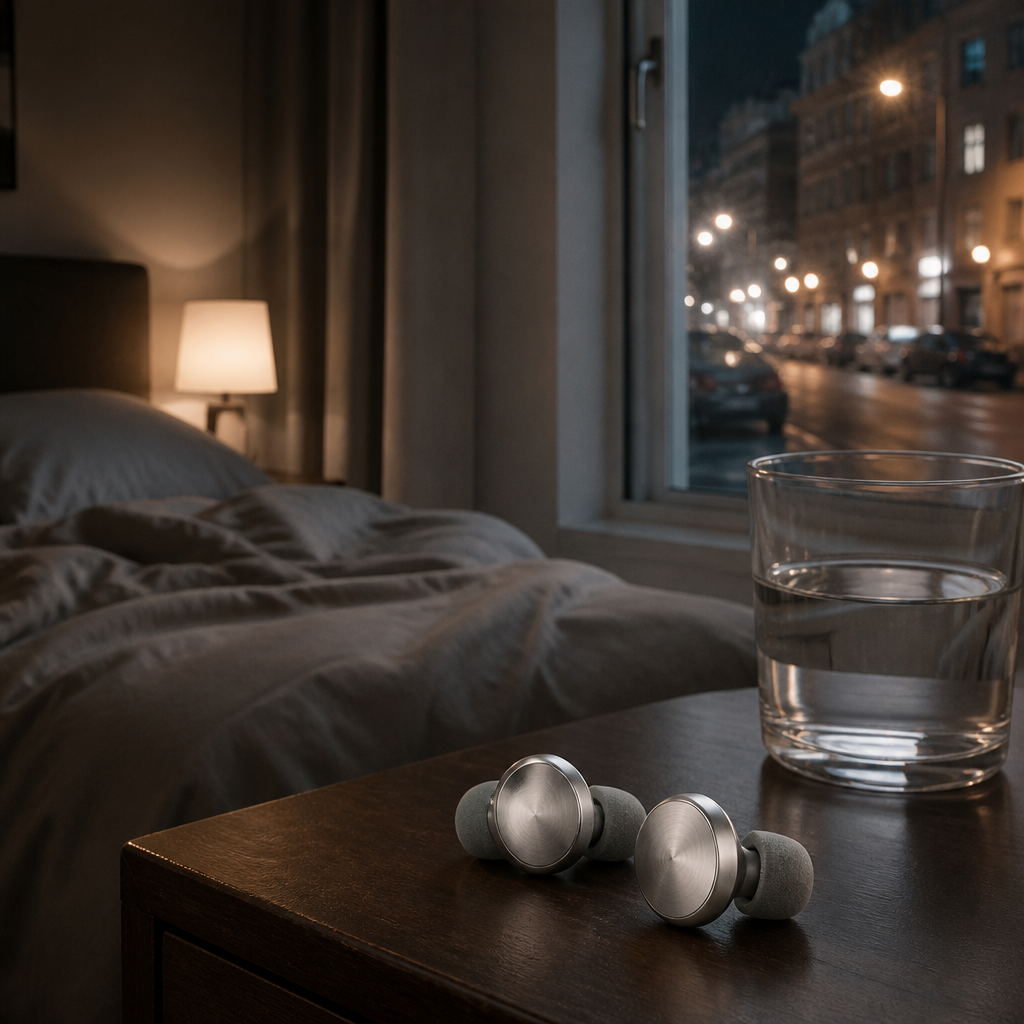
Some of the worst noise is not traffic at all. Research summarised by The Conversation points to nightlife, outdoor terrace seating in bars, and night-time street cleaning as significant sources in many cities. It also notes a rise in outdoor terrace seating, much of it linked to the COVID-19 pandemic, which means late-night noise is spreading rather than fading.
In practice, the sounds that wake light sleepers most are the irregular ones: a car alarm, a shout from a pavement, glass being tipped into a bin lorry. A steady traffic hum often fades into background after a few nights, while a single sharp spike keeps the brain on alert. This is why a fix that only lowers the average volume can disappoint.
The European Environment Agency figures quoted by The Conversation go further. They say prolonged exposure to background noise contributes to 48,000 new cases of heart disease and 12,000 premature deaths a year in Europe, and that 22 million people suffer from chronically disrupted sleep. Those are continent-wide estimates, but they show that night noise is a health issue, not just an annoyance.
Noise can trigger brief arousals, moments where your sleep shifts toward wakefulness, that you will never remember. Your heart rate and breathing can change during these moments without your conscious mind noticing. The goal on a noisy street is therefore not silence alone. You want to prevent the sudden spikes that keep pulling you up toward the surface of sleep.
Most people buy earplugs before they know what they are blocking. A better first step is to spend two weeks recording the time, the sound, and how you slept. The pattern usually points to one or two fixes rather than a long list of gadgets.
Write down the time you woke, what you heard, and whether the sound was sharp or steady. Rate your sleep from one to five each morning. After a fortnight, the log will show whether your problem is the late bar crowd, a 5 a.m. refuse collection, or a delivery van that arrives like clockwork.
Pro tip: Add a column for what you did the evening before, such as alcohol, late screens or a heavy dinner. Street noise and your evening habits often interact, and the log will show you which one is making the sounds feel louder.
Nightlife noise often peaks after midnight and fades by the early hours. Morning sounds such as deliveries, bin collections and street sweepers can start before 6 a.m. Those two groups need different responses. Earplugs and masking help with both, but a window seal does little for a bar crowd, and a complaint to a delivery operator does nothing for a crowd on the pavement.
You can reduce a surprising amount of street noise before you buy anything. Sound takes the easiest route into a room, which is usually through gaps around windows, under doors, and through thin walls. Blocking those routes first delivers more benefit than hanging a heavier curtain, and it costs very little.
Check the window frame for daylight, or hold the back of your hand near the edges to feel for a draught. Self-adhesive foam or rubber seals fitted to the frame close the most obvious leaks. A door sweep or draught excluder does the same for the bedroom door, especially if that door opens onto a hallway that picks up noise from the street.
Where you place the bed matters more than most people expect. A bed against the street-facing wall sits closer to the source and picks up vibration through the structure of the building. Moving the bed to the opposite wall, or to a wall that backs onto a quieter room, often makes the difference between a restless night and a usable one.
Heavy curtains are good at blocking light, which matters because artificial light also makes people sleep less. They do much less for sound at typical street frequencies, so treat them as a light solution rather than a noise solution. Rugs, upholstered furniture and bookshelves on shared walls absorb reflected sound and reduce echo. Older buildings with wooden floorboards carry footsteps and door slams from neighbours above, so a thick rug over bare boards can help more than a new set of curtains.
Earplugs remain the most portable tool for sleeping on a noisy street, but they only work when they seal. A pair with a strong rating on paper can perform poorly if it sits loosely in your ear. A sleep writer who has tested many pairs describes a well-fitting pair rated at 33 decibels against a loose one that manages only 27. Fit is where most people lose the benefit they paid for.
Our own metal-bodied pairs use a concave aluminium body with three sizes of soft memory foam tips, XS, S and M, and a rating of approximately 32dB. Because the body is reusable, you only replace the foam tips, every 6 to 8 weeks, rather than throwing away the whole product.
Many people pick the smallest tip because it slides in easily. That is often a mistake. A tip that is too small can sit in the canal without sealing the opening, so sound leaks around it. Try each size using the same insertion method, then pick the one that stays put when you turn your head on the pillow.
Pull the top of your ear up and back to straighten the canal, then ease the tip in with a gentle twist. Hold it for a few seconds so the foam expands and seals. For a quick check, say a few words aloud. If your voice sounds close and muffled, the seal is working. If it sounds hollow or you hear a whistle, the tip is not sitting properly.
Wipe the metal body with a dry or lightly damp cloth, and let it dry fully before storing it in a case. Replace the foam tips every 6 to 8 weeks, or sooner if they feel hard, flattened or dirty. Tips that have lost their shape are the most common reason a pair that once worked suddenly lets noise through.
A basic plug that seals will beat an expensive plug that leaks. Fit is the variable most people never check.
Pro tip: Keep all three tip sizes in the case, and test the one you use again after every tip change. A tip that has been on a pair for months may no longer seal the way it did when new.
Masking works by covering a sharp sound with a steadier one, so the spike becomes less noticeable. It is useful when you cannot block every sound, and it pairs well with a sealed earplug. The rule is simple: the masking sound should be steady, quiet enough to ignore, and never more interesting than the street outside.
In practice, a fan or a dedicated sound machine does most of the work. A consistent broadband hum hides the change from a passing scooter to a car horn. Music and podcasts are less effective for light sleepers because your brain keeps tracking speech and melody, which can make waking easier.

Brown noise and pink noise tend to suit street sleepers because they carry more energy at lower frequencies than the hiss of plain white noise. That low-end content matches traffic rumble and the thump of building vibration, so it covers them more convincingly. Try each for a few nights before settling on one.
Put the device on a dresser or shelf across the room rather than on the bedside table next to your head. Start at the lowest level that covers the nearest spike, then stop there. If you can clearly hear the masking sound from the pillow, it is probably too loud for a full night, and long exposure at high volume carries its own hearing risk.
Three approaches cover most of what urban sleepers need, and each does a different job. Choosing between them depends on whether your problem is sudden spikes, constant rumble, or light and vibration. The table below sets out where each one earns its place.
| Approach | Best For | Main Drawback |
|---|---|---|
| Disposable foam ear plugs | Occasional use, travel, and a low upfront cost | Fit varies from one insertion to the next, and you replace the whole plug each time |
| Reusable metal-bodied ear plugs with replaceable tips | Nightly use on a busy street, with a consistent fit over time | Higher upfront cost, and the tips need replacing every 6 to 8 weeks |
| Brown or pink noise machine | Masking steady rumble and covering sudden spikes | Does not block sound physically, and can be too loud if placed close to the head |
Disposable foam plugs are cheap and easy to find, which makes them a sensible backup in a bag. The problem is consistency: if you wear them every night, the seal changes as the foam compresses and you handle it. A reusable pair with replaceable tips suits people who wear earplugs most nights because the fit stays the same once you have found the right size.
For most people sleeping on a noisy street, the strongest setup combines a sealed earplug with a steady masking sound. The earplug handles sharp noises, and the masking covers what slips past. If you only choose one, choose the earplug, because it works without power, placement or setup.
Your evening routine can make the street feel louder or quieter in your head. A light sleeper who goes to bed wired, hungry or after a drink is more likely to notice every sound. Small changes in the two hours before bed often matter more than the next gadget you buy.
If your street gets busy after 11 p.m., plan the end of your evening around that window. Eat earlier, finish screens before the noisiest hours, and get into bed before the first wave of activity starts. Predictable routines help the brain separate familiar sounds from unfamiliar ones, so the same noise at the same time usually disturbs you less.
Alcohol may help you fall asleep, but it tends to fragment the second half of the night, which is when many street sounds arrive. Caffeine taken late in the day keeps sleep lighter, which makes every spike more likely to register. Cutting both gives your ears and brain less reason to stay on alert.
Pro tip: Keep a consistent bedtime and wake time, even at weekends. A regular schedule helps your sleep cycles stay steadier, which protects more of your deep sleep from the street outside.
Some noise is outside your control, but a documented complaint often gets further than an angry message sent at midnight. Councils, landlords and building managers respond best to specifics: dates, times, and the nature of the sound. Start with the facts you already have from your noise log.
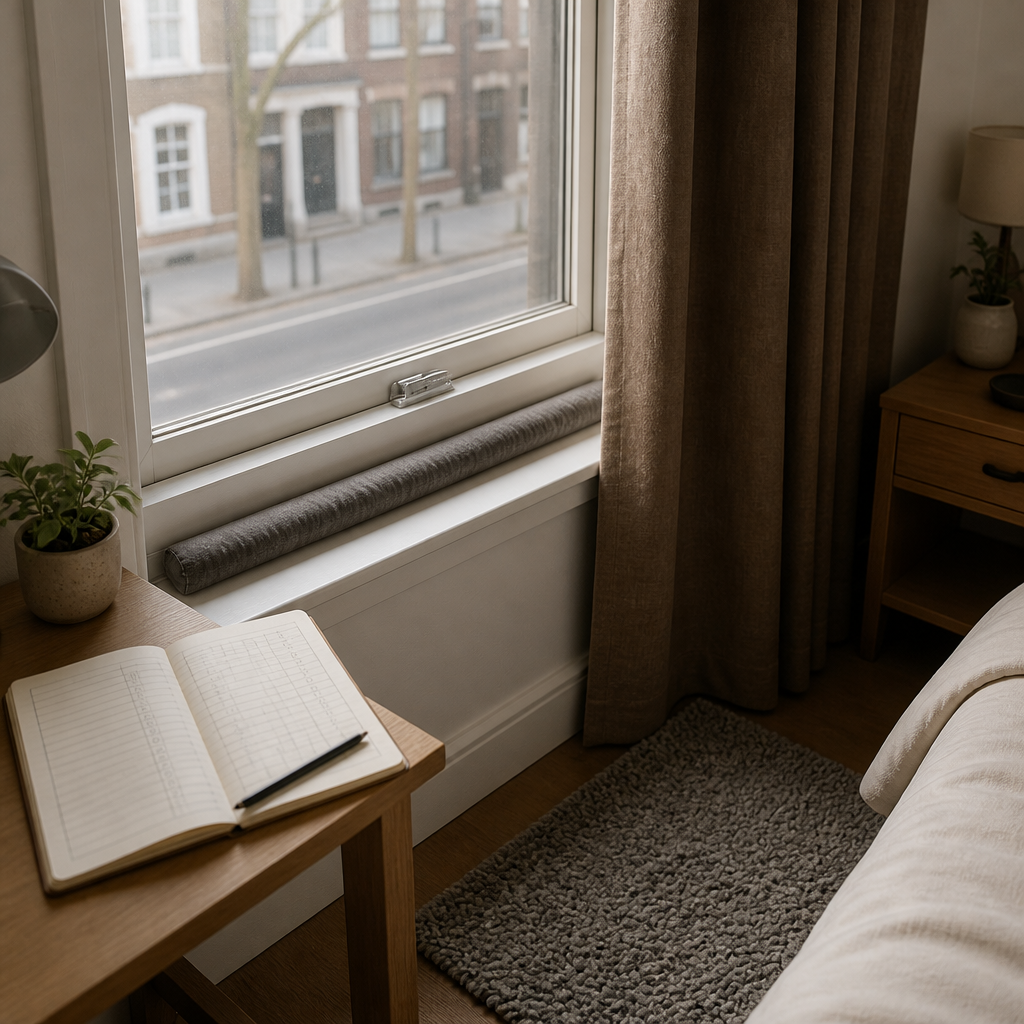
Record the date, time, duration and type of sound, with a short note on how it affected your sleep. Keep entries factual and avoid guessing who is responsible. A log like this becomes useful evidence if the problem continues over several weeks.
Approach neighbours first, politely and in daylight. Many problems, such as a car door slammed at 1 a.m. or a party that runs past midnight, stop once someone asks. If the problem persists, contact your landlord, building management or local council and ask what their noise process is. Rules differ from city to city, so check your local council’s guidance before you escalate.
Start with a sealed earplug and a steady masking sound, then tackle the window gaps. Sirens are sharp spikes, so the combination of a seal and a low, consistent background sound usually reduces how often they pull you out of sleep. Give the setup at least two weeks before judging it.
Both can work. Foam plugs are cheap and suit occasional use, but the fit can change each time you insert them. Reusable pairs with replaceable tips suit nightly use because the body stays the same and you only renew the tips every 6 to 8 weeks.
No. Ratings come from controlled testing, and real-world results depend on fit and on the sound itself. Low-frequency sounds such as bass and rumble are blocked less effectively than high-pitched noise, so pair your earplugs with a masking sound for the deep thumps.
Replace foam tips every 6 to 8 weeks for regular nightly use. Change them sooner if they feel hard, look flattened or dirty, or stop sealing. A tip that no longer holds its shape lets noise leak past even when the body is in perfect condition.
It can if you play it too loudly for long periods. Keep the sound low enough that you can only just hear it from the pillow, and place the device across the room rather than beside your head. Steady background sound at a modest level is the goal, not a wall of noise.
They help more with light than with sound. Thick curtains reduce the glow from street lamps, which supports sleep, but they do little against traffic and voices. For noise, seal the window frame and door, and consider a rug to reduce vibration and echo.
Which of these steps have you tried on a noisy street, and which one made the biggest difference for you?

