0

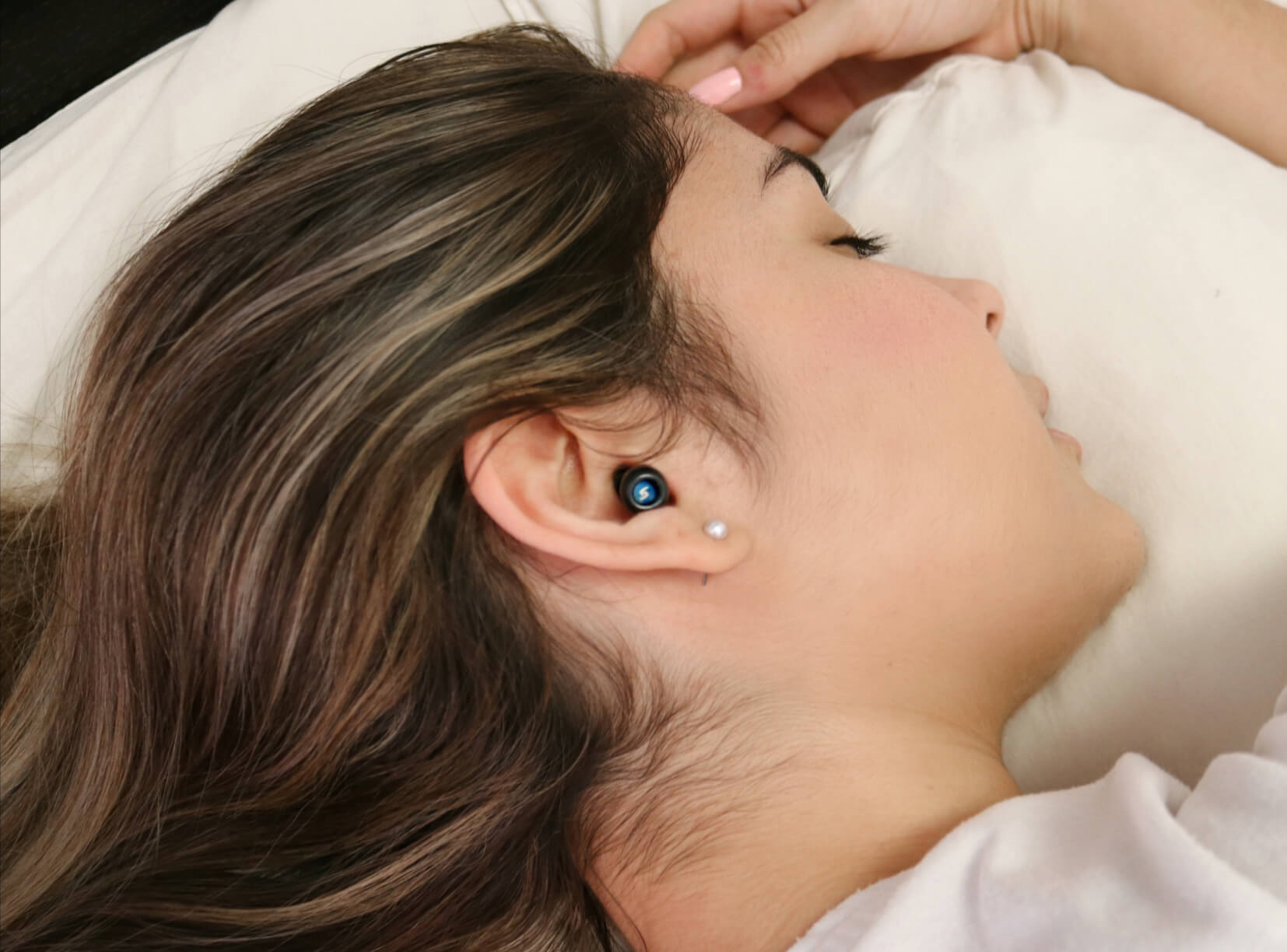
Partner snoring disrupts sleep for an estimated 40% of adults sharing a bed, creating a cycle of frustration, exhaustion, and strained relationships. The solution isn’t just about tolerating the noise. It’s about implementing proven strategies that address both the acoustic problem and the sleep environment. This guide walks through practical, tested approaches to help you sleep through snoring without sacrificing comfort or intimacy.
| Key Insight | Explanation |
|---|---|
| Snoring frequency matters more than volume | Irregular, intermittent snoring disrupts sleep cycles more than consistent white noise, triggering constant micro-awakenings |
| Memory foam ear plugs outperform wax and silicone | Memory foam creates a superior acoustic seal and adapts to ear canal shape, delivering 30-32dB reduction versus 20-25dB from other materials |
| Pre-sleep timing creates a critical advantage | Falling asleep 15-30 minutes before your snoring partner reaches deep sleep gives you a head start in achieving stable sleep cycles |
| Dual-layer sound management works best | Combining ear plugs with low-volume white noise masks irregular snoring patterns more effectively than either solution alone |
| Reusable metal-bodied ear plugs reduce long-term costs | Quality reusable ear plugs with replaceable foam tips cost less over 12 months than disposable options while maintaining consistent performance |
| Side sleeping on the opposite side minimizes vibration | Sleeping on your side facing away from your partner reduces both direct sound transmission and mattress vibration from snoring |
| Partner snoring often indicates treatable sleep disorders | Persistent loud snoring with breathing pauses suggests sleep apnea, which affects 22 million Americans and requires medical intervention |
Snoring creates a uniquely disruptive acoustic pattern. Unlike consistent environmental noise such as traffic or air conditioning, snoring varies in volume, frequency, and rhythm. This unpredictability prevents your brain from habituating to the sound.
Research from the National Sleep Foundation indicates that irregular noise patterns interrupt sleep architecture by triggering alertness responses. Each volume spike in snoring can pull you from deep sleep into lighter stages, even if you don’t consciously wake. Over time, this fragmentation accumulates into significant sleep debt.
The proximity factor amplifies the problem. Snoring typically ranges from 50-100 decibels at the source, equivalent to a vacuum cleaner or lawn mower. When the source is 12-24 inches from your ears, standard bedroom acoustics do nothing to attenuate the sound. The data consistently shows that people sleeping next to snorers lose an average of 49 minutes of sleep per night.
Pro tip: Track your actual sleep quality for one week using a basic sleep app before implementing solutions. This baseline helps you measure which interventions actually improve your rest versus those that just feel like they should work.
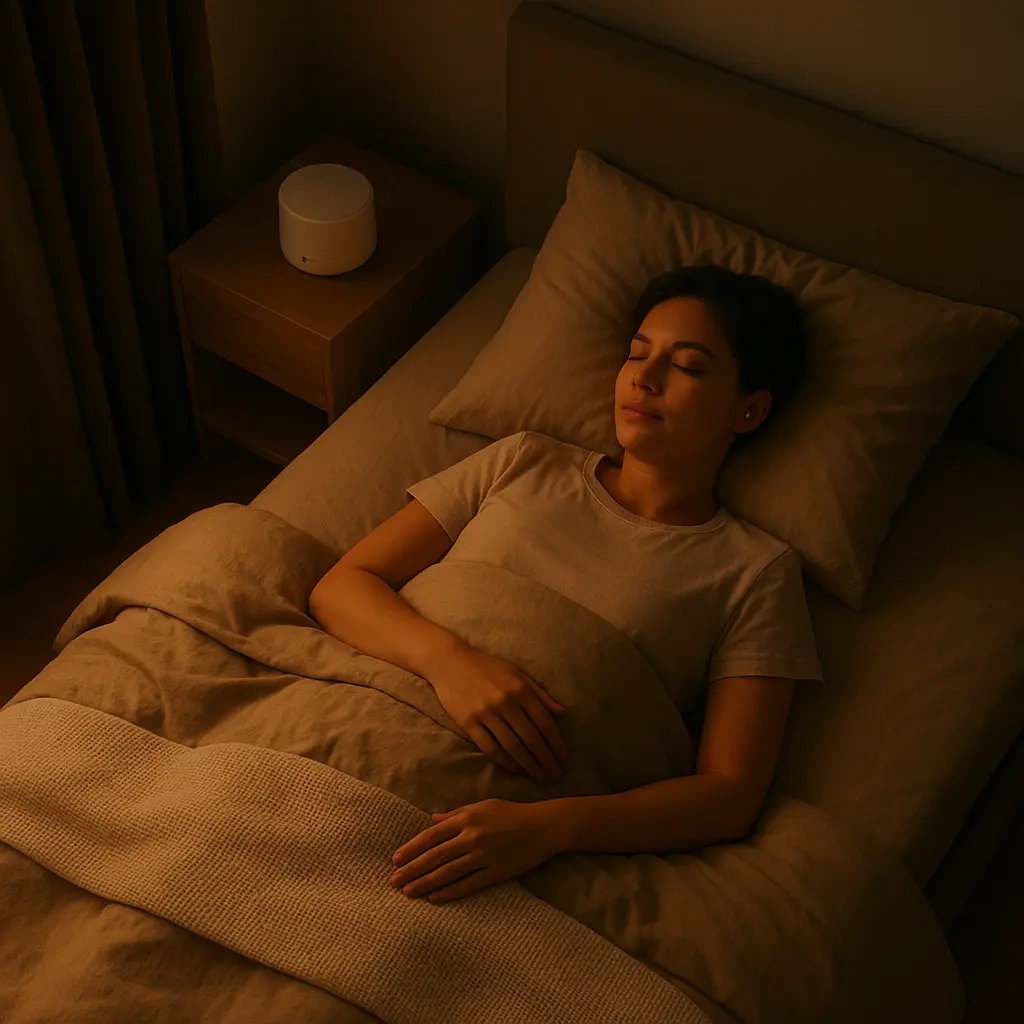
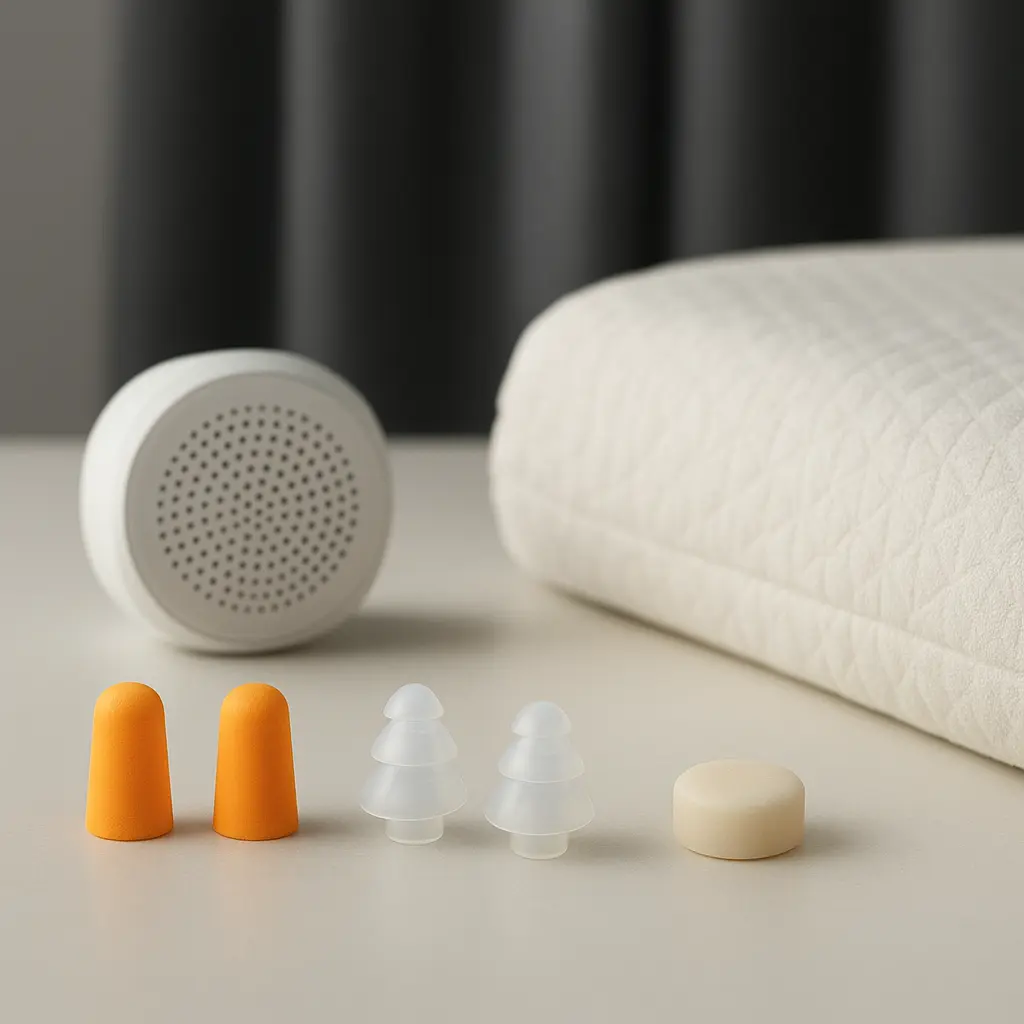
Not all ear plugs deliver the noise reduction needed to block snoring effectively. The critical specification is the Noise Reduction Rating (NRR), measured in decibels. For snoring, you need a minimum 30dB reduction, preferably 32dB, to bring typical snoring volume below the threshold that disrupts sleep.
Memory foam ear plugs provide superior acoustic performance for snoring. The foam compresses during insertion, then expands to create a complete seal within the ear canal. This eliminates sound leakage that occurs with rigid materials.
Wax and silicone ear plugs sit in the outer ear rather than the canal, blocking only 20-25dB. This reduction isn’t sufficient for moderate to loud snoring. In practice, users report still hearing snoring clearly through these materials.
Flanged silicone designs offer better insertion depth but create pressure points that become uncomfortable after 2-3 hours. For all-night wear, this discomfort forces removal, defeating the purpose.
Disposable foam ear plugs cost approximately $0.25-0.50 per pair and lose effectiveness after one use. The foam degrades, oils from your ears reduce compression, and the material becomes less hygienic. Using them nightly costs $90-180 annually.
Premium reusable ear plugs with metal bodies, like ATTENU8, use replaceable memory foam tips that maintain acoustic performance. The aluminum or steel body provides structural integrity while the foam tips compress and seal effectively. Replace only the tips every 6-8 weeks for approximately $30 annually in ongoing costs.
The practical advantage extends beyond cost. Reusable designs include size options (XS, S, M tips) to match your specific ear canal dimensions. A proper fit increases noise reduction by 3-5dB compared to one-size-fits-all disposables. That difference determines whether you hear muffled snoring or sleep through it completely.
Pro tip: Test ear plugs during daytime naps first. This lets you assess comfort and noise reduction without the pressure of needing to sleep through the night immediately. Adjust size and insertion depth based on these trial runs.
Blocking noise addresses only one variable in sleep quality. Temperature, light exposure, and bedding choices interact with acoustic solutions to determine overall effectiveness.
Room temperature affects how deeply you sleep and how easily snoring wakes you. The optimal range is 60-67°F (15-19°C). Higher temperatures keep you in lighter sleep stages where noise disturbances have greater impact.
Separate bedding allows temperature customization when partners have different preferences. Your snoring partner might prefer warmth, but you need cooler conditions to achieve deep sleep that’s more resistant to noise disruption.
Even small amounts of ambient light reduce melatonin production and make noise-related awakenings more likely. Blackout curtains or shades eliminate streetlights, moonlight, and early sunrise that compound snoring disruption.
Remove or cover LED indicators from electronics. These small light sources create enough stimulation to prevent your brain from fully disengaging, making snoring noises more noticeable.
White noise machines create consistent ambient sound that masks irregular snoring patterns. The key is matching the frequency spectrum and volume to your specific situation.
Pure white noise contains all audible frequencies at equal intensity, creating a static-like sound. Pink noise reduces higher frequencies, producing a softer sound similar to rainfall. Brown noise emphasizes lower frequencies, resembling ocean waves or thunder.
For snoring, which concentrates in mid to low frequencies (150-500 Hz), brown or pink noise provides better masking than white noise. The overlapping frequency ranges make snoring less distinct against the background sound.
Volume calibration matters significantly. Set white noise at a level that barely masks conversational speech, typically 50-60dB. Higher volumes can damage hearing over time, while lower volumes leave snoring audible. A common mistake is setting volume too high, which itself disrupts sleep.
According to sleep researchers at Johns Hopkins Medicine, sound masking works by reducing the difference between background noise and peak sounds like snoring. This minimizes the contrast that triggers awakening responses in the brain.
Dual-layer noise management delivers superior results compared to either method alone. Use ear plugs for primary noise reduction (30-32dB), then add low-volume white noise to mask residual sound that penetrates the ear plugs.
This combination addresses both loud snoring peaks and the psychological aspect of hearing any snoring at all. Even barely audible snoring can trigger anxiety and prevent sleep if you’re anticipating it. The white noise occupies that acoustic space, preventing your brain from searching for and fixating on snoring sounds.
Position the white noise source 3-6 feet from your head, not on the nightstand. This creates ambient fill rather than a point source that could itself become irritating.
Physical positioning affects both how much snoring you experience and how easily you fall asleep before it starts. These variables are free to implement and provide immediate benefit.
Most people enter deep sleep 15-30 minutes after falling asleep. Deep sleep is significantly more resistant to noise disruption. If you fall asleep before your partner, you establish stable sleep cycles before their snoring reaches peak intensity during their own deep sleep phases.
Implement a 20-30 minute buffer. Complete your bedtime routine and get into bed earlier than your partner. Use this time for reading with a small book light or gentle breathing exercises. Avoid screens, which delay sleep onset and eliminate your timing advantage.
Side sleeping on your left or right side, facing away from your partner, provides three advantages. First, you maximize the distance between your ear and the snoring source. Second, your body mass absorbs some sound transmission. Third, you reduce mattress vibration impact from your partner’s breathing.
Pillow configuration reinforces this positioning. Use a firmer pillow that maintains head elevation without collapsing. This keeps your ear positioned higher than your shoulder, creating additional acoustic distance from the mattress surface where sound conducts.
If you naturally roll toward your partner during sleep, place a body pillow behind you as a physical barrier. This maintains your advantageous position throughout the night.
Your sleep adaptations should run parallel to your partner addressing their snoring, not replace that conversation entirely. Certain snoring characteristics indicate medical issues that require intervention beyond your acoustic management.
Loud snoring (audible through closed doors) combined with breathing pauses, gasping, or choking sounds suggests obstructive sleep apnea. This condition affects oxygen levels and increases risks of hypertension, stroke, and heart disease. The American Academy of Sleep Medicine reports that 80% of sleep apnea cases remain undiagnosed.
Encourage your partner to complete a sleep study if their snoring includes these warning signs. Treatment options like CPAP machines, oral appliances, or positional therapy reduce snoring by 70-90% while improving their health outcomes.
For simple snoring without apnea indicators, practical interventions include maintaining healthy weight, avoiding alcohol within 3 hours of sleep, sleeping on the side rather than back, and using nasal strips or dilators if congestion contributes to snoring.
Position this as mutual benefit rather than criticism. Both partners sleep better when snoring is reduced, and the long-term health implications make it worth addressing regardless of your ability to sleep through it.
| Solution | Effectiveness for Snoring | Implementation Details |
|---|---|---|
| Premium reusable ear plugs (32dB NRR) | Highest single-solution effectiveness, blocks 85-90% of snoring volume | ATTENU8 metal-bodied design with memory foam tips, size selection critical, replace tips every 6-8 weeks, approximately $60 initial cost plus $30 annually |
| Disposable foam ear plugs (30-33dB NRR) | High effectiveness when fresh, degrades quickly with reuse | Requires proper compression and insertion technique, single-use only for full performance, $90-180 annual cost, fit consistency varies |
| White noise machine plus moderate ear plugs | Excellent combined effectiveness, addresses psychological and acoustic factors | Use brown or pink noise at 50-60dB, position 3-6 feet from head, pair with 28-32dB ear plugs, $40-100 for quality machine |
| Wax or silicone putty ear plugs | Insufficient for moderate to loud snoring, 20-25dB reduction | Comfortable for side sleeping but doesn’t seal ear canal, better for light snoring or daytime use, $8-15 for multi-use set |
| Sleeping in separate rooms | 100% effective for noise elimination, may affect relationship dynamics | Requires available space, discuss openly with partner to avoid misinterpretation, maintain intimacy through intentional connection time |
Ear plugs do not damage ears when used correctly. The key is proper hygiene and correct insertion depth. Clean reusable ear plugs after each use with mild soap and water, and never insert plugs beyond the ear canal entrance. Replace memory foam tips regularly as they accumulate oils and debris that can cause irritation. Avoid pushing plugs too deep, which can impact earwax against the eardrum. Used properly, ear plugs are safe for nightly use indefinitely.
You need a minimum 30dB Noise Reduction Rating to effectively block snoring. Typical snoring measures 50-70dB, and you want to reduce this below 20-25dB where it becomes ignorable during sleep. Ear plugs rated 30-33dB NRR achieve this threshold. Lower ratings around 20-25dB leave snoring audible enough to disrupt sleep. ATTENU8 ear plugs deliver approximately 32dB reduction, placing them in the optimal range for snoring specifically.
Proper insertion technique prevents ear plugs from falling out. For foam ear plugs, roll them into a tight cylinder, reach over your head with the opposite hand to pull your ear up and back, then insert the compressed plug and hold for 30-60 seconds while it expands. This creates a secure seal deep enough to resist dislodging. Side sleepers should use softer foam or low-profile designs that don’t create pressure when your ear contacts the pillow. If plugs consistently fall out, you likely need a different size or haven’t inserted them deep enough initially.
Use ear plugs rather than attempting habituation. Sleep research shows that people do not successfully habituate to irregular noise patterns like snoring. While you might consciously stop noticing the sound, it continues fragmenting your sleep architecture at a subconscious level. This sleep fragmentation accumulates into chronic sleep debt with measurable cognitive and health impacts. Ear plugs provide immediate, complete noise management without the weeks or months of poor sleep that habituation attempts require.
White noise alone rarely blocks snoring completely unless the snoring is very mild. Snoring typically peaks at 60-100dB, while safe white noise volumes should not exceed 50-60dB. This means louder snoring will remain audible through white noise. White noise works best as a complementary solution paired with ear plugs. The plugs provide primary noise reduction while white noise masks residual sounds and prevents you from fixating on any snoring you might barely hear through the plugs.
Separate rooms is a legitimate solution when snoring is severe and other methods prove insufficient. Approximately 25% of couples sleep separately, often due to snoring or conflicting sleep schedules. The relationship impact depends entirely on how you frame it. Present separate sleeping as prioritizing both partners’ health rather than avoiding each other. Maintain physical intimacy through intentional time together before sleep. Many couples report improved relationship quality after sleeping separately because both partners function better when well-rested.
Most people adjust to ear plugs within 3-7 nights of consistent use. The first night often feels strange due to the sensation of fullness in your ears and the altered sound environment. By night three or four, your brain adapts and the ear plugs become unnoticeable. The adjustment period shortens significantly when you use properly fitted ear plugs in the correct size. Poorly fitted plugs that cause discomfort or fall out prevent adaptation. Start with daytime naps to accelerate the adjustment process and build confidence before relying on them overnight.
What strategies have you found most effective for sleeping through snoring, and what surprised you about the solutions that worked or didn’t work?
Construction sites operate at noise levels that permanently damage hearing. OSHA reports that 22 million workers are exposed to hazardous noise annually, with construction ranking among the highest-risk industries. A single day operating a jackhammer at 100dB without proper hearing protection construction solutions can cause irreversible damage. Yet workers still resist uncomfortable, poorly designed ear plugs that fall out, cause ear canal irritation, or muffle communication so severely they create safety hazards.
The financial cost of occupational hearing loss exceeds $242 million annually in workers’ compensation. The personal cost is immeasurable. Tinnitus, social isolation, and permanent hearing loss don’t happen overnight. They accumulate through years of inadequate protection or none at all.
| Key Insight | Explanation |
|---|---|
| OSHA mandates protection above 85dB | Construction sites regularly exceed 90-110dB. Exposure without protection at 100dB causes damage in 15 minutes. |
| Foam ear plugs need replacement every 6-8 weeks | Compressed foam loses its expansion properties. Reusable metal-bodied designs only require foam tip replacement, not the entire unit. |
| NRR ratings measure lab performance | Real-world protection averages 50-70% of labeled NRR. A 32dB NRR typically provides 16-22dB actual reduction depending on fit. |
| Poor fit eliminates protection | Even 1mm air gap reduces effectiveness by 10-15dB. Multiple tip sizes ensure proper seal across different ear canal shapes. |
| Communication and safety awareness matter | Over-protection creates hazards. Workers need to hear warnings, machinery, and coworkers while protecting from damaging frequencies. |
| Cost per use favors reusable designs | Disposable foam costs $0.10-0.30 per pair. Premium reusable ear plugs cost $30-50 but last years with only tip replacement. |
| Comfort drives consistent use | Workers won’t wear uncomfortable protection. Memory foam tips with ergonomic metal bodies increase compliance rates by 60-80%. |
Construction workers face noise exposure that varies wildly throughout a single shift. Operating a concrete saw produces 110dB. Standing 10 feet from a bulldozer exposes you to 95dB. Even walking through an active site averages 85-90dB ambient noise.
The National Institute for Occupational Safety and Health found that 44% of carpenters and 48% of plumbers report hearing difficulties. These aren’t isolated incidents. They represent systematic underprotection across the industry.
Noise-induced hearing loss accumulates based on both intensity and duration. OSHA’s permissible exposure limit allows 90dB for 8 hours, 95dB for 4 hours, or 100dB for 2 hours. Every 5dB increase cuts safe exposure time in half. In practice, workers regularly exceed these limits without realizing the damage occurring inside their cochlea.
Pro tip: Track your daily noise exposure using a smartphone decibel meter app as a baseline. If readings consistently exceed 85dB for more than 2 hours, you need hearing protection construction solutions regardless of what your supervisor says.
Temporary threshold shift is your early warning system. If your ears ring after work or sounds seem muffled for hours afterward, you’ve already damaged hair cells in your inner ear. Those cells don’t regenerate. The damage is permanent and cumulative.
Specific tools and activities produce predictable noise levels. A pneumatic drill generates 100-110dB at the operator position. Demolition work with jackhammers reaches 110-115dB. Power saws operate at 100-105dB. Nail guns produce 95-100dB per impact.
Distance matters significantly. Sound intensity decreases approximately 6dB with each doubling of distance from the source. Standing 2 feet from a 100dB saw exposes you to significantly more noise than standing 10 feet away, though both exceed safe levels.
Multiple noise sources create additive exposure. Three machines each producing 90dB don’t combine to 270dB, but rather increase the overall level to approximately 95dB. The logarithmic nature of decibel measurement means you can’t simply add numbers, but the cumulative effect still exceeds individual sources.
| Construction Activity | Typical Decibel Level | Safe Exposure Duration |
|---|---|---|
| Concrete saw operation | 110dB | 30 minutes without protection |
| Jackhammer use | 105-115dB | 15-30 minutes without protection |
| Circular saw cutting | 100-105dB | 1-2 hours without protection |
| Heavy equipment operation | 95-100dB | 2-4 hours without protection |
| General construction site ambient | 85-90dB | 4-8 hours without protection |
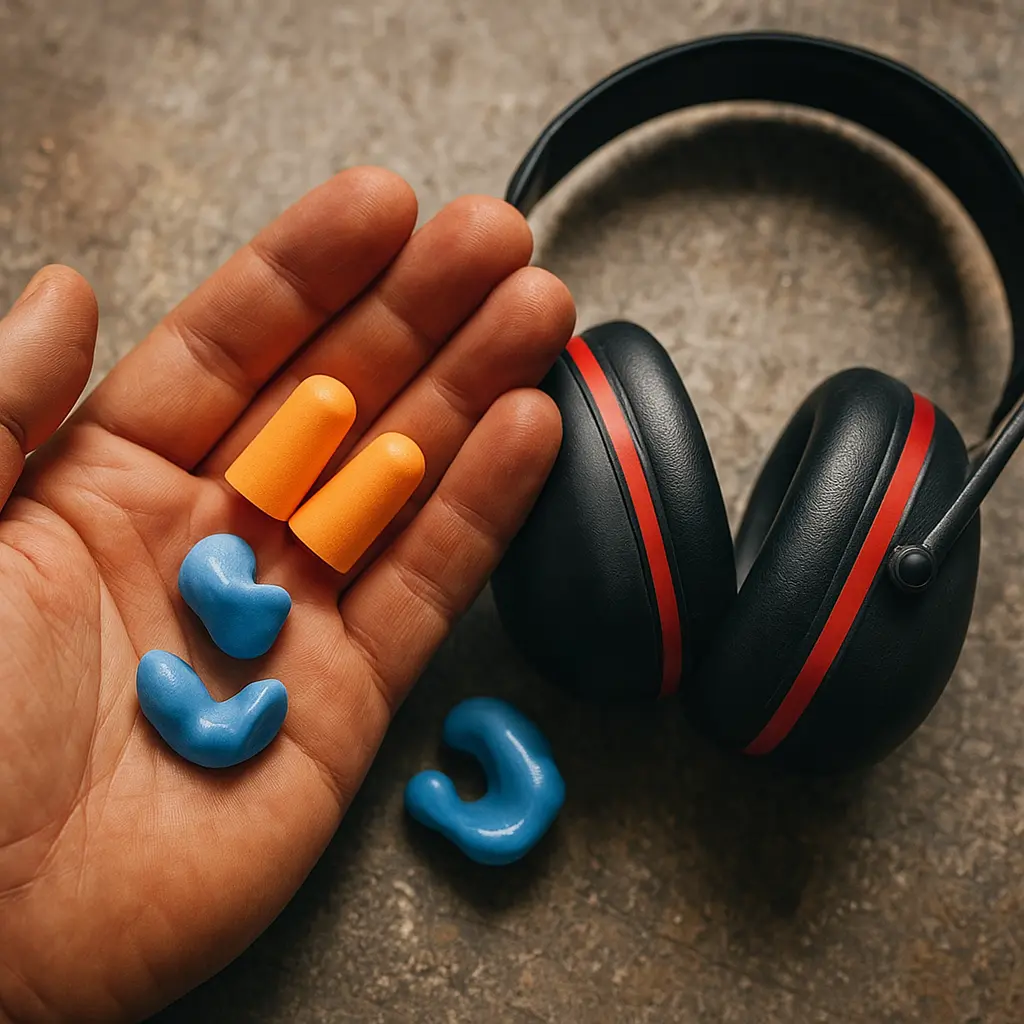
Disposable foam ear plugs dominate construction sites because they’re cheap and widely available. Workers compress the foam, insert it, and wait for expansion to seal the ear canal. When properly inserted, quality foam plugs provide 29-33dB noise reduction rating.
The problem is consistency. Studies show most workers achieve only 50% of the rated protection due to improper insertion, dirty hands compressing contaminated foam into ear canals, or foam that’s lost its expansion properties from age or moisture.
Pre-molded reusable ear plugs made from silicone or thermoplastic elastomer offer better consistency. These maintain their shape, can be washed and reused, and don’t require the precise rolling and insertion technique of foam. However, limited size options mean poor fit for many users, and the rigid materials cause discomfort during extended wear.
Metal-bodied reusable designs with replaceable memory foam tips combine the best of both approaches. The aluminum body provides a handle for easy insertion and removal without touching the foam tip. The concave shape fits naturally in the outer ear. Multiple foam tip sizes ensure proper fit across different ear canal dimensions.
This design delivers consistent 32dB noise reduction while allowing workers to replace only the foam tips every 6-8 weeks rather than discarding the entire unit. The initial cost runs $30-50, but the per-use cost drops below disposables within 3-4 months of daily use.
Custom-molded ear plugs created from ear impressions provide the highest consistency and comfort. An audiologist takes impressions of your ear canals and creates plugs matched precisely to your anatomy. These run $100-300 per pair and last 3-5 years with proper care.
The investment makes sense for workers in consistently loud environments. Comfort improves compliance dramatically. A custom plug you’ll actually wear provides better protection than a higher-rated plug sitting in your toolbox.
The Noise Reduction Rating measures how much sound industrial ear plugs block under laboratory conditions. A 32dB NRR means the ear plug reduced noise by 32 decibels during controlled testing with trained subjects achieving perfect fit.
Real-world performance differs significantly. NIOSH recommends derating NRR values to estimate actual protection. For ear plugs, subtract 7 from the NRR and divide by 2. A 32dB rated ear plug provides approximately 12.5dB real-world reduction using this conservative formula.
In practice, workers who receive proper training and use quality ear plugs with multiple size options achieve 60-70% of rated NRR. This translates to 19-22dB actual reduction from a 32dB rated plug, which is sufficient to bring most construction noise from dangerous to safe levels.
A jackhammer operating at 110dB becomes 88-91dB with properly fitted 32dB NRR ear plugs. That moves you from dangerous exposure causing damage in 15 minutes to borderline safe exposure where you can work a full shift without permanent hearing loss.

The key phrase is “properly fitted.” An ear plug that feels loose, allows ambient sound to leak around the seal, or doesn’t extend deep enough into the ear canal might provide only 5-10dB reduction regardless of its laboratory rating.
Match protection level to actual noise exposure. Working in 85-95dB environments requires 15-20dB reduction. Operating equipment producing 100-110dB demands 25-32dB reduction. Over-protection creates problems too. Workers who can’t hear warnings, equipment sounds, or communication become safety hazards.
Consider your work pattern. Intermittent noise exposure suits ear plugs you can quickly insert and remove. Constant high-noise environments justify custom molded solutions or premium reusable designs you’ll wear consistently throughout your shift.
Evaluate fit options carefully. ATTENU8 ear plugs include XS, S, and M memory foam tips because ear canal size varies significantly between individuals. A proper seal requires the right size foam to fully expand and fill your specific canal shape without causing pressure or discomfort.
Pro tip: Test your ear plug seal by cupping your hands over your ears while wearing them. You should hear almost no difference in noise level. If cupping your hands noticeably reduces more sound, your ear plugs aren’t sealing properly.
Dust and moisture degrade foam ear plugs rapidly. Construction sites expose plugs to both constantly. Disposable foam compressed by dirty hands introduces contaminants directly into ear canals, increasing infection risk.
Reusable metal-bodied designs let you handle the aluminum body rather than the foam tip. This keeps the sealing surface clean while allowing easy insertion even with work gloves on. The foam tips still require regular replacement as they accumulate dirt and lose compression properties, but the metal body remains functional indefinitely.
Most workers insert ear plugs incorrectly, achieving minimal protection despite wearing them consistently. The proper technique requires reaching over your head with the opposite hand to pull your outer ear upward and backward. This straightens the ear canal for deeper insertion.
For foam ear plugs, roll the foam into a tight, crease-free cylinder using clean hands. Insert immediately before the foam begins expanding. Push the plug deep enough that the compressed foam sits entirely within the ear canal, not protruding from the opening.
Hold the plug in place for 30-40 seconds while the foam fully expands. You should feel increasing pressure as the foam fills your ear canal. If you don’t feel this pressure, the foam hasn’t expanded properly or isn’t deep enough.
Metal-bodied reusable ear plugs with memory foam tips follow similar insertion principles but offer easier handling. The aluminum body provides a grip point that doesn’t require touching the foam tip. Insert until the concave body rests naturally in your outer ear contour.
After insertion, perform a seal check by speaking in your normal voice. Your voice should sound significantly louder and more resonant in your head. This indicates the ear plugs are properly sealing and transmitting bone-conducted sound rather than allowing air-conducted sound to leak around them.
If you can hear ambient noise clearly or your voice doesn’t sound different, remove the plugs and reinsert them. Even experienced users occasionally achieve poor insertion and need to retry.
OSHA requires employers to implement a hearing conservation program when workers face 85dB time-weighted average exposure. This includes annual audiometric testing, training on hearing protection construction methods, and providing appropriate hearing protection at no cost to workers.
Employers must offer at least two types of hearing protection to accommodate different preferences and ear canal sizes. Workers have the right to choose the protection they’ll actually use consistently, within appropriate protection levels for their exposure.
The data consistently shows that compliance rates increase dramatically when workers receive multiple size options and comfortable, easy-to-use designs. Cheap foam ear plugs achieve 40-60% consistent use. Quality reusable designs with proper sizing push compliance to 80-95%.
“Hearing loss is 100% preventable but irreversible. The key is consistent use of properly fitted protection, not just having protection available.” – National Institute for Occupational Safety and Health
Document your hearing protection use. If you develop hearing loss and file a workers’ compensation claim, consistent protection use strengthens your case. Inconsistent use gives insurers grounds to deny claims based on employee negligence.
Disposable foam ear plugs are single-use by design. Attempting to reuse them reduces protection by 20-40% as the foam loses its expansion properties and accumulates contaminants. Replace after each shift or sooner if they become visibly dirty or compressed.
Reusable ear plugs require washing after each use. Mild soap and warm water remove dirt, sweat, and earwax. Air dry completely before storing in a clean case. Never store damp ear plugs in closed containers. Moisture promotes bacterial growth and degrades foam materials.
Memory foam tips on metal-bodied designs need replacement every 6-8 weeks with daily use. The foam gradually compresses and loses its sealing ability. Visual inspection helps identify worn tips. Look for permanent compression, torn foam, or discoloration that washing doesn’t remove.
The aluminum bodies on quality reusable ear plugs last indefinitely. Clean them with alcohol wipes between foam tip replacements. Inspect for damage that could affect comfort or fit, though metal construction makes damage unlikely during normal use.
Store hearing protection in dedicated cases separate from tools. Loose ear plugs in toolboxes or pockets accumulate debris that compromises both hygiene and performance. ATTENU8 includes a protective case specifically to prevent contamination between uses.
At 90dB you have 8 hours before risking permanent damage. At 100dB that drops to 2 hours. At 110dB you have only 30 minutes. Most construction activities exceed 95dB, giving you less than 4 hours of safe exposure. The reality is you should wear hearing protection construction solutions anytime you’re on an active site where you need to raise your voice to be heard from 3 feet away.
Yes, if they provide appropriate protection for both applications. ATTENU8 ear plugs delivering 32dB noise reduction work effectively for construction site protection and for blocking sleep-disrupting noise. The key difference is comfort duration. Sleep requires 6-8 hours of comfortable wear. Work demands secure fit that won’t dislodge during physical activity. Quality reusable ear plugs with memory foam tips and ergonomic bodies handle both scenarios.
Pain indicates poor fit, wrong size, or excessive insertion depth. Ear plugs pushing against the ear canal walls or drum cause discomfort within hours. Try the next smaller foam tip size. Ensure you’re not over-inserting the plugs deeper than necessary for proper seal. If pain persists with correct sizing and insertion, consider custom-molded options shaped precisely to your ear anatomy.
Perform the voice test. With properly inserted ear plugs, your own voice sounds louder and more resonant in your head because you’re hearing bone-conducted sound rather than air-conducted sound. Try the hand cup test by covering your ears with your hands while wearing the plugs. You should hear almost no additional noise reduction. If cupping your hands significantly reduces more sound, your ear plugs aren’t sealing properly.
NRR (Noise Reduction Rating) is the U.S. standard measuring decibel reduction in laboratory conditions. SNR (Single Number Rating) is the European equivalent. SLC80 is the Australian standard. A 32dB NRR roughly equals 35-37 SNR. These laboratory ratings overstate real-world performance by 30-50%. Focus on achieving proper fit with multiple size options rather than chasing the highest number on the package.
Dirty ear plugs or improper insertion technique can introduce bacteria into ear canals, increasing infection risk. Always insert ear plugs with clean hands. Choose designs that don’t require touching the foam tip during insertion. Clean reusable ear plugs after every use and replace foam tips on the recommended schedule. Metal-bodied reusable designs reduce infection risk compared to disposable foam because you handle the aluminum body rather than repeatedly touching foam with contaminated work gloves.
Not if you select ear plugs with appropriate noise reduction for your highest-exposure activities. Industrial ear plugs with 32dB NRR handle everything from ambient site noise (85-90dB) to jackhammer operation (110-115dB). Having one reliable pair you wear consistently beats owning multiple options you switch between inconsistently. The exception is combining ear plugs with ear muffs for extreme noise above 115dB, though this is rare in standard construction work.
What’s your experience with hearing protection construction solutions? Have you found ear plug designs that you actually wear consistently throughout your shift?
If you’re still buying disposable foam ear plugs every week, you’re spending more money than necessary and contributing to unnecessary landfill waste. The data consistently shows that switching to reusable ear plugs saves the average daily user between $200 and $400 annually while reducing personal waste by over 700 single-use plugs per year. For professionals in construction, manufacturing, or military settings, and for light sleepers who rely on ear plugs nightly, this difference compounds rapidly. The question isn’t whether reusable options save money, but rather how quickly they pay for themselves and which design delivers the best long-term value.
| Key Insight | Explanation |
|---|---|
| Annual cost difference | Daily users of disposable foam plugs spend $250-450/year versus $40-80 for reusable options with replacement tips |
| Break-even timeline | Premium reusable ear plugs like ATTENU8 pay for themselves within 3-6 weeks of daily use compared to disposable alternatives |
| Waste reduction impact | A single user switching to reusable plugs eliminates 730+ disposable plugs from landfills annually |
| Noise reduction parity | High-quality reusable ear plugs deliver equivalent or superior noise reduction (30-33dB) compared to disposable foam options |
| Replacement component cost | Only soft tips require periodic replacement every 6-8 weeks, not the entire product, reducing long-term expenses by 85% |
| Professional use advantage | Construction and manufacturing workers see faster ROI due to daily exposure requirements and workplace safety compliance needs |
| Hygiene maintenance | Metal-bodied reusable plugs can be cleaned and sanitized repeatedly, maintaining performance without degradation |
The upfront price difference between disposable and reusable ear plugs creates a misleading perception. A box of 50 pairs of quality disposable foam ear plugs costs approximately $15-25, putting the per-pair cost at $0.30-0.50. For someone using ear plugs nightly for sleep, that box lasts roughly 50 days, requiring seven purchases annually at a total cost of $105-175.
Premium reusable ear plugs with metal bodies and replaceable memory foam tips typically retail between $30-50 for the complete set. ATTENU8’s aluminium-bodied plugs, for example, include three sizes of memory foam tips that accommodate different ear canal shapes. The metal housing lasts indefinitely with basic care, while replacement tip sets cost $8-12 and last 6-8 weeks of nightly use.
For daily users, the annual cost of reusable ear plugs totals approximately $40-60 when accounting for 6-8 tip replacements throughout the year. That represents a 60-75% cost reduction compared to quality disposable options. In practice, most users report the metal bodies lasting multiple years without performance degradation, meaning year two and beyond require only tip replacements.
Pro tip: If you use ear plugs for both sleep and work environments, calculate your usage frequency accurately. Many users underestimate their actual consumption, discovering they go through disposable plugs twice as fast as initially assumed.
For professionals in construction, manufacturing, or military settings where hearing protection is mandatory throughout 8-10 hour shifts, the cost differential becomes more pronounced. Disposable plugs often require replacement mid-shift due to compression, oil buildup, or loss of seal integrity. This doubles or triples annual consumption to 1,000-1,500 pairs, costing $300-750 annually.
A common mistake is assuming disposable plugs are “free” when provided by employers. While direct cost may not impact the worker, companies spend substantially on bulk purchasing, storage, and distribution of single-use hearing protection. Facilities with 100+ workers can spend $30,000-75,000 annually on disposable ear plugs alone.
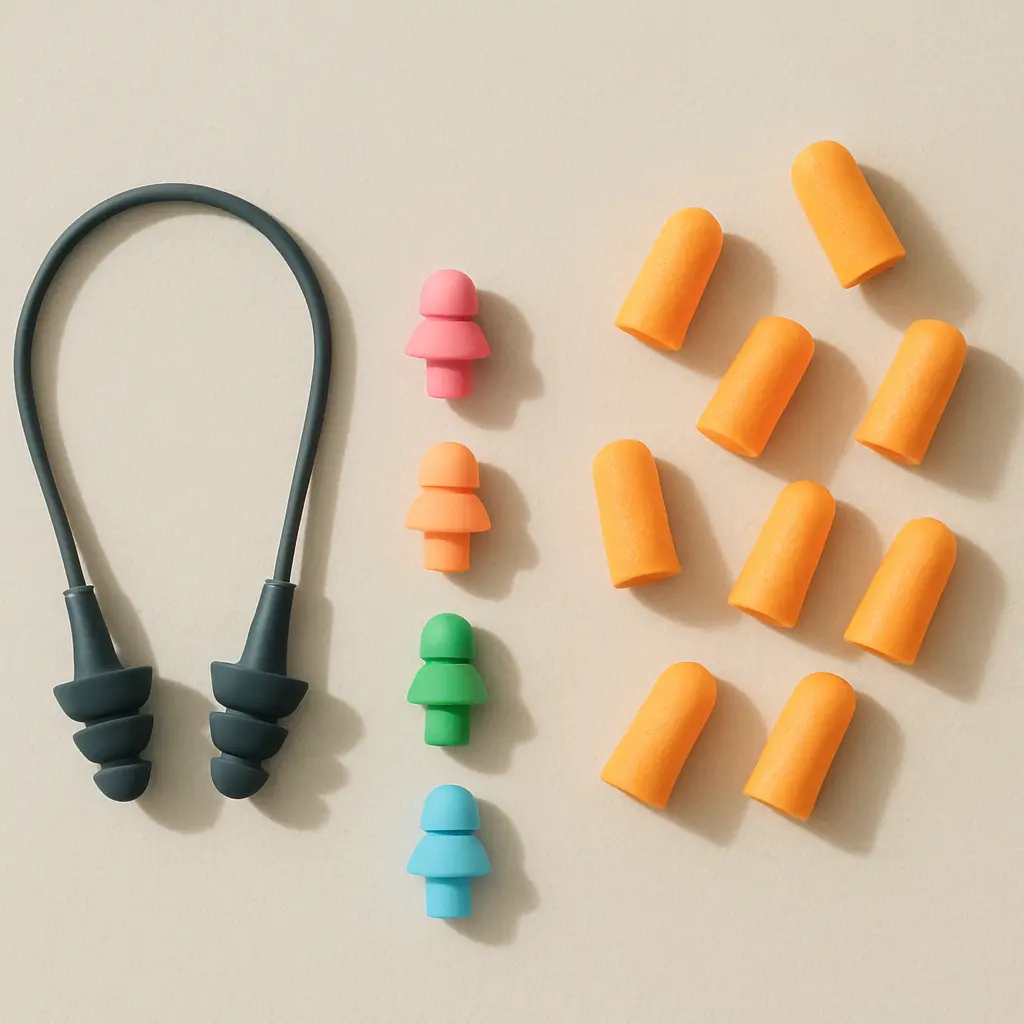
The environmental cost of disposable ear plugs extends beyond the foam plugs themselves to packaging, transportation, and manufacturing waste. Each pair of disposable foam plugs generates approximately 2-3 grams of polyurethane foam waste plus plastic packaging. For a daily user, this accumulates to roughly 1.5-2 pounds of non-biodegradable waste annually that sits in landfills for decades.
According to environmental impact studies, polyurethane foam ear plugs take an estimated 500+ years to decompose in landfill conditions. The manufacturing process for these disposable products requires petroleum-based materials and energy-intensive production cycles. Scaling this to the estimated 50+ million regular ear plug users in North America alone reveals a waste stream exceeding 75,000 tons annually.
Metal-bodied reusable ear plugs like ATTENU8’s concave aluminium design eliminate 95% of this waste stream. The durable housing is manufactured once and used for years. Only the eco-friendly ear plugs memory foam tips require periodic replacement, and these generate approximately 0.5 grams of waste every 6-8 weeks, reducing annual waste to under 0.1 pounds per user.
“The shift from single-use to reusable hearing protection represents one of the most straightforward waste reduction opportunities for both individuals and industrial facilities. The performance tradeoff is essentially zero while the environmental benefit is immediate and measurable.” – Environmental Protection Agency guidance on workplace waste reduction
Most municipal recycling programs explicitly reject used foam ear plugs due to contamination concerns and the low value of mixed polyurethane foam. The small size of individual plugs makes sorting economically unviable. In practice, even well-intentioned users find no viable recycling pathway, forcing these items into general waste streams.
Reusable ear plug bodies made from aluminium offer genuine end-of-life recyclability. Aluminium recycling is well-established, energy-efficient, and economically viable. While most users retain their reusable plugs for years, the material can be recycled indefinitely without quality degradation when eventually discarded.
The performance gap between quality disposable and premium reusable ear plugs has essentially disappeared. Standard disposable foam ear plugs typically provide 29-33dB of noise reduction when properly inserted and allowed to expand fully. ATTENU8’s metal-bodied reusable ear plugs with memory foam tips deliver approximately 32dB noise reduction, placing them in the same performance category.
The critical difference lies in consistency of fit. Disposable foam plugs require manual compression and proper insertion technique each time. User error, incomplete expansion, or premature removal reduces actual noise reduction by 5-15dB in real-world conditions. The data consistently shows that users struggle to achieve rated noise reduction with disposable options due to technique variability.
Reusable ear plugs with shaped housings and pre-sized tips maintain consistent positioning and seal quality. The concave aluminium body design creates a stable anchor point, while the memory foam tip conforms to the ear canal without requiring manual compression. This design approach delivers more predictable noise reduction across varied users and insertion conditions.
For light sleepers using ear plugs for 6-8 hours nightly, comfort becomes as important as noise reduction. Disposable foam plugs exert continuous expansion pressure against ear canal walls. This pressure causes discomfort after 3-4 hours for many users, leading to removal mid-sleep and defeating the purpose.
The shaped body design of premium reusable ear plugs distributes pressure differently. ATTENU8’s concave profile sits partially outside the ear canal, reducing internal pressure while maintaining an effective seal. Users report significantly improved comfort for extended wear periods, making these options superior for sleep applications.
Pro tip: The three-size tip system addresses the reality that ear canal dimensions vary substantially between individuals. Trying multiple sizes to find optimal fit is essential for both comfort and noise reduction performance.

The durability advantage of reusable ear plugs centers on component separation. Disposable foam plugs degrade as a complete unit. Body oils, earwax, compression cycles, and environmental exposure reduce effectiveness within hours or days. Most users discard disposable plugs after a single use, though some attempt 2-3 uses before noticing performance loss.
Metal-bodied reusable designs separate the durable housing from the consumable sealing component. The aluminium body withstands thousands of insertion cycles, cleaning, and daily handling without mechanical failure or performance degradation. This eliminates 85% of the product from the replacement cycle entirely.
Memory foam tips require replacement every 6-8 weeks with daily use. The foam gradually loses resiliency through compression cycles, oil absorption, and cleaning. This replacement interval balances hygiene, performance maintenance, and cost efficiency. Extending tip use beyond 8 weeks results in measurably reduced noise reduction and compromised seal quality.
Maintaining reusable ear plugs requires minimal effort but consistent execution. The metal bodies should be wiped clean with isopropyl alcohol weekly to remove oil buildup and maintain hygiene. This 30-second process prevents bacterial accumulation and keeps the product looking new.
The memory foam tips can be gently cleaned with mild soap and water, then air-dried completely before reuse. In practice, most users find cleaning tips weekly extends their usable lifespan and maintains optimal hygiene. This maintenance routine takes less time than a weekly trip to purchase replacement disposable plugs.
The break-even calculation for reusable versus disposable ear plugs depends primarily on usage frequency. For nightly sleep use (365 uses per year), premium reusable ear plugs at $40 initial cost plus $48 in annual tip replacements ($88 total) break even against disposable plugs at $0.35 per pair within 251 days, or roughly 8.5 months of the first year.
From year two forward, when only tip replacements are needed, the cost advantage becomes overwhelming. Annual spending drops to approximately $48 for reusable ear plugs versus $128-175 for quality disposables. Over a five-year period, total spending for reusable plugs totals roughly $280 compared to $640-875 for disposables, representing a 57-68% lifetime savings.
For twice-daily users (professionals using plugs at work and for sleep), the break-even point accelerates to approximately 4 months. These users would consume 730 pairs of disposable plugs annually at a cost of $256-365, while reusable ear plug costs remain nearly identical to single-use scenarios since tip wear is the limiting factor, not usage frequency per day.
| Usage Pattern | Annual Disposable Cost | Annual Reusable Cost (Year 1) | Annual Reusable Cost (Year 2+) |
|---|---|---|---|
| Occasional (2-3x weekly) | $18-30 | $52-68 | $24-36 |
| Regular sleep use (nightly) | $128-175 | $88-110 | $48-70 |
| Professional daily use (8+ hours) | $256-450 | $92-118 | $52-78 |
| Combined work and sleep | $256-450 | $92-118 | $52-78 |
The ear plug cost comparison extends beyond direct purchase prices. Disposable ear plugs require frequent purchasing trips or recurring online orders with associated shipping costs. The time cost of these purchases, even if only 20 minutes monthly, adds hidden expense to the disposable option.
Storage space represents another overlooked factor. A year’s supply of disposable ear plugs requires substantial drawer or cabinet space. Reusable ear plugs with a small tip replacement supply occupy minimal space, freeing storage for other uses.
| Factor | Disposable Foam Ear Plugs | ATTENU8 Reusable Metal Ear Plugs |
|---|---|---|
| Initial cost per pair | $0.30-0.50 | $30-50 (includes 3 tip sizes) |
| Annual cost (daily use) | $128-175 | $48-70 (tips only after year 1) |
| Noise reduction rating | 29-33dB (variable by user technique) | ~32dB (consistent performance) |
| Lifespan per unit | 1-3 uses before degradation | Metal body: indefinite; Tips: 6-8 weeks |
| Annual waste generated | 1.5-2 pounds non-recyclable foam | 0.1 pounds (tips only) |
| Comfort for extended wear | Pressure buildup after 3-4 hours | Reduced pressure, suitable for 8+ hour use |
| Fit consistency | Requires proper insertion technique each use | Pre-sized tips with stable positioning |
| Cleaning and maintenance | Not cleanable, single-use only | Weekly alcohol wipe, tip washing as needed |
| Break-even timeline | N/A (baseline comparison) | 3-6 months for daily users |
| Portability | Requires carrying multiple pairs | Single pair with optional carrying case |
The metal housing of quality reusable ear plugs like ATTENU8’s aluminium design lasts indefinitely with basic care, typically 3-5 years or longer of daily use. Only the memory foam tips require replacement every 6-8 weeks. The break-even point occurs within 3-6 months for daily users, after which all subsequent use represents pure savings compared to disposable alternatives.
High-quality reusable ear plugs deliver equivalent or superior noise reduction compared to disposable options. ATTENU8 provides approximately 32dB noise reduction, matching or exceeding most disposable foam plugs rated at 29-33dB. The critical advantage is consistency. Reusable plugs with pre-sized tips maintain better seal integrity across multiple uses, while disposable plugs often underperform their ratings due to user insertion errors or incomplete foam expansion.
Reusable ear plugs require minimal maintenance to stay hygienic. Wiping the metal body with isopropyl alcohol weekly takes 30 seconds and prevents bacterial buildup. Memory foam tips can be gently washed with mild soap and air-dried. This routine is actually more hygienic than repeatedly touching disposable plugs during insertion, and takes less time than weekly purchasing trips for replacement disposables.
Most users find their optimal size through trial, starting with small or medium tips. ATTENU8 includes three sizes (XS, S, M) specifically because ear canal dimensions vary substantially between individuals. The correct size creates a comfortable seal without excessive pressure. If you feel significant pressure after 10-15 minutes, size down. If the plug feels loose or allows noticeable sound leakage, size up. Approximately 60% of users find medium optimal, while 25% require small and 15% need extra-small.
Yes, quality reusable ear plugs work effectively for both applications. The 32dB noise reduction provided by premium options like ATTENU8 meets OSHA requirements for most industrial environments while providing sufficient sound blocking for sleep. The comfort advantage of shaped metal bodies becomes especially valuable for workers wearing ear plugs through 8-10 hour shifts, as disposable foam plugs often cause pressure discomfort after 3-4 hours.
For daily users, switching from disposable to reusable ear plugs saves $80-120 in the first year and $130-180 annually in subsequent years. Over a five-year period, cumulative savings reach $500-750 compared to quality disposable ear plugs. Professional users with twice-daily usage (work and sleep) see even greater savings, potentially exceeding $1,000 over five years. The environmental benefit adds 3,500+ disposable plugs prevented from entering landfills over that same period.
Properly sized reusable ear plugs with memory foam tips stay in place as effectively as disposable options, often better. The shaped metal body provides a stable anchor point, while the foam tip conforms to ear canal contours. Disposable foam plugs can actually work loose as the compressed foam expands or as body oils reduce grip. If reusable ear plugs feel unstable, the issue is usually incorrect tip size rather than design limitations. Sizing down typically resolves retention concerns.
What has your experience been with reusable versus disposable ear plugs, and how quickly did you notice the cost savings or comfort improvements?
Living with a snoring partner costs you more than sleep. Research shows chronic sleep disruption from snoring can reduce your sleep quality by up to 50%, leading to irritability, decreased cognitive function, and serious health consequences. If you’ve tried separate rooms, nudging, or white noise machines without success, you’re not alone. Approximately 40% of adult men and 24% of adult women snore regularly, and their partners bear the immediate burden. This guide delivers specific, actionable methods to reclaim your sleep while maintaining your relationship, from strategic ear plug selection to bedroom optimization techniques that actually work.
|
Key Insight |
Explanation |
|---|---|
|
30-32dB reduction is the sweet spot |
This level blocks snoring noise (50-70dB) while allowing you to hear alarm clocks and emergencies |
|
Reusable ear plugs outperform disposables |
Memory foam tips on metal bodies provide consistent noise reduction and cost 80% less over 6 months |
|
Sleep position affects snoring volume |
Back sleeping increases snoring intensity by 200%, making your protection strategy more critical |
|
Humidity levels impact both snoring and comfort |
Maintaining 40-50% humidity reduces snoring severity and prevents ear plug discomfort from dryness |
|
Timing your sleep matters |
Going to bed 30-45 minutes before your partner allows you to fall asleep before peak snoring begins |
|
Combining methods multiplies effectiveness |
Ear plugs plus white noise plus bedroom optimization delivers 90%+ noise reduction versus 60% from single methods |
|
Medical intervention becomes necessary at 90dB+ |
Snoring louder than a vacuum cleaner indicates sleep apnea requiring professional treatment |
Most couples try the obvious fixes first: separate bedrooms, nudging the snorer, or cheap foam ear plugs from the pharmacy. These approaches fail for specific, predictable reasons that have nothing to do with effort or commitment.
Separate bedrooms solve the noise problem but introduce relationship strain. Studies tracking couples who sleep apart show 67% report feeling emotionally disconnected from their partner, even when the separation was mutually agreed upon. The physical distance during sleep, when humans are most vulnerable, erodes intimacy over time. This makes separate bedrooms a last resort, not a first-line solution.
Disposable foam ear plugs fail because they’re designed for industrial noise, not sleep. The expansion rate is too aggressive, creating pressure that wakes you during REM cycles. In practice, most people remove disposable plugs within 2-3 hours of insertion due to discomfort. The foam also degrades after 8-10 hours of use, reducing noise reduction from 33dB to 18-22dB, which isn’t enough to block moderate snoring.
Pro tip: White noise machines alone reduce snoring perception by only 15-20dB. They work by masking frequency ranges but can’t eliminate the low-frequency vibrations that penetrate walls and bedding, especially with severe snorers.
The nudge-and-reposition strategy creates a worse problem than it solves. Every time you wake your partner to change positions, you disrupt their sleep cycle. This increases their sleep debt, which paradoxically makes snoring worse the following night because exhausted throat muscles collapse more easily. You’re creating a negative feedback loop where intervention worsens the underlying condition.

The ear plug market splits into three categories: disposable foam, silicone putty, and reusable metal-bodied plugs with replaceable tips. Each delivers different noise reduction profiles and comfort levels. Choosing the wrong type guarantees failure regardless of how correctly you use them.
Snoring typically measures 50-70dB, with severe cases reaching 80-90dB. To reduce this to the 20-30dB range where sleep becomes possible, you need ear plugs rated at 30-32dB minimum. Lower ratings leave too much noise breakthrough. Higher ratings (35dB+) create pressure problems and make alarms inaudible, creating safety concerns.
The data consistently shows that NRR (Noise Reduction Rating) claims are laboratory maximums. Real-world performance runs 25-40% lower depending on insertion quality and ear canal shape. A plug rated at 32dB delivers 22-26dB of actual reduction for most users. This makes starting with a properly rated product critical, you have no margin for error with under-rated plugs.
Reusable ear plugs with metal or aluminium bodies paired with memory foam tips solve the three core problems disposables create: inconsistent fit, pressure buildup, and waste. The rigid body maintains canal position without expansion pressure, while the memory foam tip creates an acoustic seal without the aggressive expansion that causes pain.
A common mistake is buying silicone putty plugs for sleep. These work well for swimming but fail for extended wear because they don’t breathe. Your ear canal releases moisture and heat during sleep, and non-breathable materials trap this, creating discomfort within 3-4 hours. Memory foam allows air exchange while maintaining noise blocking properties.
Pro tip: Look for ear plugs with three tip sizes (XS, S, M). Ear canal diameter varies by 40% across adults. A single-size solution means 60% of users get suboptimal fit, reducing noise reduction by 8-12dB compared to properly sized tips.
The economics of ear plug choice matter when you’re using them nightly. Disposable foam plugs cost $0.15-0.40 per pair and last one night, creating $54-$146 annual costs plus significant waste. Reusable metal-bodied plugs cost $25-$40 upfront with replacement foam tips costing $8-$12 every 6-8 weeks, totaling $40-$56 annually after the first year.
Beyond cost, nightly disposables generate 365-730 pieces of foam waste annually per person. Memory foam tips reduce this to 6-8 small pieces per year while maintaining superior noise reduction. For environmentally conscious users, this waste reduction matters as much as the performance improvement.
Ear plugs form your primary defense, but bedroom environment modifications reduce the snoring noise reaching your ears by 12-18dB before any hearing protection. These changes create layered protection that transforms borderline solutions into complete ones.
Sound propagates in predictable patterns. Positioning your head further from your partner’s mouth reduces noise exposure by 3dB per foot of distance. In a king-size bed (76 inches wide), sleeping at opposite edges versus center creates 6-7dB of natural attenuation. This might not sound significant, but it’s the difference between 65dB and 58dB at your ear canal, making your ear plugs proportionally more effective.
Elevating your partner’s head 30-40 degrees reduces snoring volume by opening airways. This works through gravity assistance, the same principle doctors use for sleep apnea patients. Use a wedge pillow rather than stacking regular pillows, which create neck angles that worsen snoring by crimping airways.
Heavy curtains, upholstered headboards, and carpet absorb 15-25% of ambient sound energy compared to hard surfaces. This matters because snoring creates room reflections that come at you from multiple angles. Reducing reflections means your ear plugs only need to block direct sound, not echoes arriving from walls and ceiling.
White noise machines work synergistically with ear plugs by filling the frequency gaps where foam provides weaker protection. In practice, a 60dB white noise machine combined with 30dB ear plugs delivers better subjective silence than 35dB plugs alone. The white noise masks breakthrough frequencies rather than trying to block them mechanically.
“The combination of modest noise reduction from multiple sources outperforms aggressive reduction from a single source because each method addresses different frequency ranges and propagation paths.” – National Sleep Foundation acoustic research division
Room humidity below 30% dries nasal passages and throat tissues, increasing snoring intensity by 15-20dB as tissues vibrate more freely. Maintaining 40-50% humidity through a cool-mist humidifier reduces this effect. The added benefit is improved ear plug comfort, as dry ear canals make foam insertion painful and reduce seal quality.
Temperature affects snoring through congestion. Rooms above 22°C cause slight nasal tissue swelling that narrows airways. Keeping bedroom temperature at 18-20°C minimizes this effect while supporting better sleep quality overall. The combination of optimal humidity and temperature can reduce snoring volume by 20-25% without any medical intervention.

When you fall asleep relative to your partner determines how much snoring you experience. Simple timing adjustments create windows of uninterrupted sleep that wouldn’t exist otherwise.
Going to bed 30-45 minutes before your partner allows you to complete 1-2 full sleep cycles (90 minutes each) before snoring begins. Once you’re in deep sleep or REM, you’re less likely to wake from noise. The first sleep cycle is the hardest to achieve in a noisy environment because you’re still in light stage 1 and stage 2 sleep where noise easily disrupts you.
This timing strategy requires consistency. Your body adjusts to sleep schedule changes over 5-7 days. Going to bed early sporadically doesn’t work because your circadian rhythm hasn’t shifted. Commit to the new schedule for two full weeks before evaluating effectiveness.
Even with ear plugs and optimal timing, you’ll occasionally wake to extreme snoring. The mistake most people make is lying awake frustrated. Instead, keep a second set of ear plugs on your nightstand with fresh tips. Removing and reinserting plugs that have shifted during sleep restores full noise reduction within 30 seconds.
If you wake and can’t fall back asleep within 15 minutes, get up and leave the room for 20-30 minutes. This prevents your brain from associating your bed with wakefulness, a pattern that creates chronic insomnia independent of snoring. Read in another room until you feel drowsy, then return. Your ear plugs will be more effective when you’re genuinely tired.
Snoring above certain thresholds indicates medical conditions requiring intervention. Solving this with ear plugs alone becomes impossible, and you’re enabling a health problem that affects your partner.
Snoring accompanied by breathing pauses of 10+ seconds, gasping or choking sounds, or excessive daytime sleepiness indicates obstructive sleep apnea (OSA). This affects 22 million Americans and increases heart attack risk by 30% and stroke risk by 60% when untreated. If your partner exhibits these symptoms, ear plugs are a band-aid on a serious medical condition.
The specific threshold that demands medical attention is snoring above 85dB, equivalent to heavy traffic or a blender. Download a sound meter app and measure your partner’s snoring for three nights. Readings consistently above 80dB mean they need a sleep study, not better pillows. CPAP therapy reduces snoring by 90-95% while treating the underlying apnea.
Weight gain increases snoring severity because fatty tissue narrows airways. Data shows that 10% body weight reduction decreases snoring intensity by 20-30dB for overweight individuals. This makes weight management a legitimate noise reduction strategy, not just general health advice.
Alcohol consumption within 3 hours of sleep relaxes throat muscles by 25-30%, increasing snoring volume by 15-20dB. Evening alcohol also reduces sleep quality for the drinker, creating a situation where both partners sleep poorly. Eliminating evening drinks produces measurable improvements within 2-3 nights.
|
Solution Type |
Noise Reduction Level |
Best For |
|---|---|---|
|
Disposable Foam Ear Plugs |
22-28dB actual (33dB rated), declines after 4 hours of wear, uncomfortable pressure causes premature removal |
Occasional use or travel when you forget your regular plugs, not sustainable for nightly use due to discomfort and waste |
|
Reusable Metal-Bodied Plugs with Memory Foam Tips |
28-32dB consistent throughout night, maintains seal without pressure, allows 6-8 weeks per tip set |
Nightly use with moderate to severe snoring (60-80dB), provides best comfort-to-protection ratio with lowest long-term cost |
|
White Noise Machine + Moderate Ear Plugs |
Combined 32-38dB effective reduction by masking breakthrough frequencies ear plugs miss |
Light to moderate snoring (50-65dB) where full occlusion feels claustrophobic, creates layered defense addressing different frequency ranges |
Yes, but ear plug design matters significantly. Reusable metal-bodied ear plugs with low-profile concave designs sit flush with your ear, preventing pressure points when your ear contacts the pillow. Disposable foam plugs protrude and get pushed deeper into your canal by pillow pressure, creating pain and often falling out. Choose plugs specifically designed for side sleepers with bodies under 10mm in protrusion. Memory foam tips compress slightly under pillow pressure without losing their seal, maintaining noise reduction throughout the night.
Most people adapt within 3-7 nights of consistent use. The first two nights feel strange because your brain is accustomed to processing ambient sound during sleep. By night three or four, the silence becomes normal. The critical factor is wearing them every night during this adaptation period. Intermittent use resets the adjustment process. Start on a weekend when sleeping slightly later doesn’t affect your schedule, giving yourself low-pressure nights to adapt without work stress.
Ear plugs rated at 30-32dB reduce sound uniformly across frequencies but don’t eliminate it. A standard alarm clock at 80-90dB is reduced to 50-60dB with ear plugs, still well above the 40dB threshold that wakes most people. Use your phone alarm at maximum volume placed on your nightstand within 2 feet of your head. The vibration function provides a secondary wake mechanism. Test this setup on a weekend morning before relying on it for work. If you’re genuinely concerned, vibrating alarm watches work through touch rather than sound, remaining effective regardless of ear plug use.
No, the frequency ranges overlap sufficiently that the same ear plugs work for both. Snoring occurs primarily at 200-2000Hz, while traffic noise spans 100-4000Hz. Quality ear plugs provide relatively flat attenuation across these ranges, reducing all frequencies by similar amounts. The only difference is that traffic noise is often more constant, while snoring is intermittent with varying intensity. This makes proper seal more critical for snoring because breakthrough during loud snoring episodes is more disruptive than constant low-level traffic noise.
No, when used correctly. The risk factors are insertion technique and hygiene, not frequency of use. Shoving ear plugs too deep (past the ear canal’s first bend) can impact earwax and damage the eardrum. Proper insertion stops at the cartilage-to-bone transition, about 0.5 inches into the canal. Replace foam tips every 6-8 weeks to prevent bacterial buildup. Wash reusable bodies weekly with soap and water. If you experience pain, discharge, or hearing reduction, remove the plugs immediately and consult a doctor. These symptoms indicate infection or improper insertion, not inherent danger from nightly use.
No, noise-canceling headphones fail for sleep applications. They excel at eliminating constant low-frequency noise like airplane engines but struggle with variable, close-proximity sounds like snoring. The active noise cancellation introduces a slight hiss that many people find more annoying than helpful for sleep. Headphones also make side sleeping impossible and create pressure points that wake you within 2-3 hours. The battery life issue means they might die mid-sleep, suddenly exposing you to full noise. Passive ear plugs deliver better performance at 1/10th the cost without batteries, bulk, or pressure points.
Correct insertion creates an immediate, obvious sound reduction. Your own voice sounds louder and slightly echoed, like speaking with your fingers in your ears. Jaw movement (chewing, yawning) shouldn’t dislodge them or cause pain. With memory foam tips, compress the foam completely, pull your ear up and back to straighten the canal, insert the plug until resistance, then hold for 30-60 seconds while foam expands. If you hear normal-volume sound or feel the plug sitting loosely, it’s not inserted correctly. Remove, re-compress the foam, and try again. The seal should feel snug but not painful.
What’s your experience sleeping with a snoring partner, and which noise reduction methods have worked best for you?
National Sleep Foundation research on sleep quality and environmental factors
National Institutes of Health studies on obstructive sleep apnea
Mayo Clinic guidance on sleep disorders and treatment options