


 0

Most people judge a bad night’s sleep by how they feel when the alarm goes off. The real cost often shows up later, in a slow afternoon, a short temper with a colleague, or a missed step on a ladder. When the trigger is noise, such as a neighbour’s television, a partner’s snoring, or a street that never goes quiet, noise disrupted sleep effects can stretch well past breakfast. This article looks at what one night of noise does to your brain, your mood, and your performance, and how reusable ear plugs fit into recovery.
| Key Insight | Explanation |
|---|---|
| Reaction time slips after one night | Research on sleep loss describes slower response speed and more variable performance, so keep safety-sensitive tasks for after a proper night. |
| Noise can cost you sleep without waking you | Brief arousals you never remember can cut into restorative sleep, so a night where you think you slept through is not proof of good sleep. |
| Mood usually takes the hit first | Irritability and low patience often appear before obvious drops in focus, and the people around you may notice first. |
| Irregular sounds do the most damage | A door slam or a late delivery lorry is more likely to disrupt you than a steady fan, so target the unpredictable noise first. |
| Protect the next night, not just the next morning | Preventing a second bad night is the highest-value recovery step, which means having ear plugs ready before the first night of a noisy week. |
| Fit decides how well ear plugs work | Test each tip size in the evening and choose the one that seals without pressure, because a loose fit leaks noise no matter how good the product is. |
| Workplace protection is a separate decision | Shift hearing protection and sleep protection serve different jobs, so choose each one for its own purpose. |
A single night of poor sleep is easy to dismiss, which is why so many people underestimate it. The Sleep Foundation notes that lack of sleep can impair brain function after just one night, making it harder to focus, remember information, make decisions, and react. That list describes the mistakes that happen at a desk, behind a wheel, or on a site the morning after.
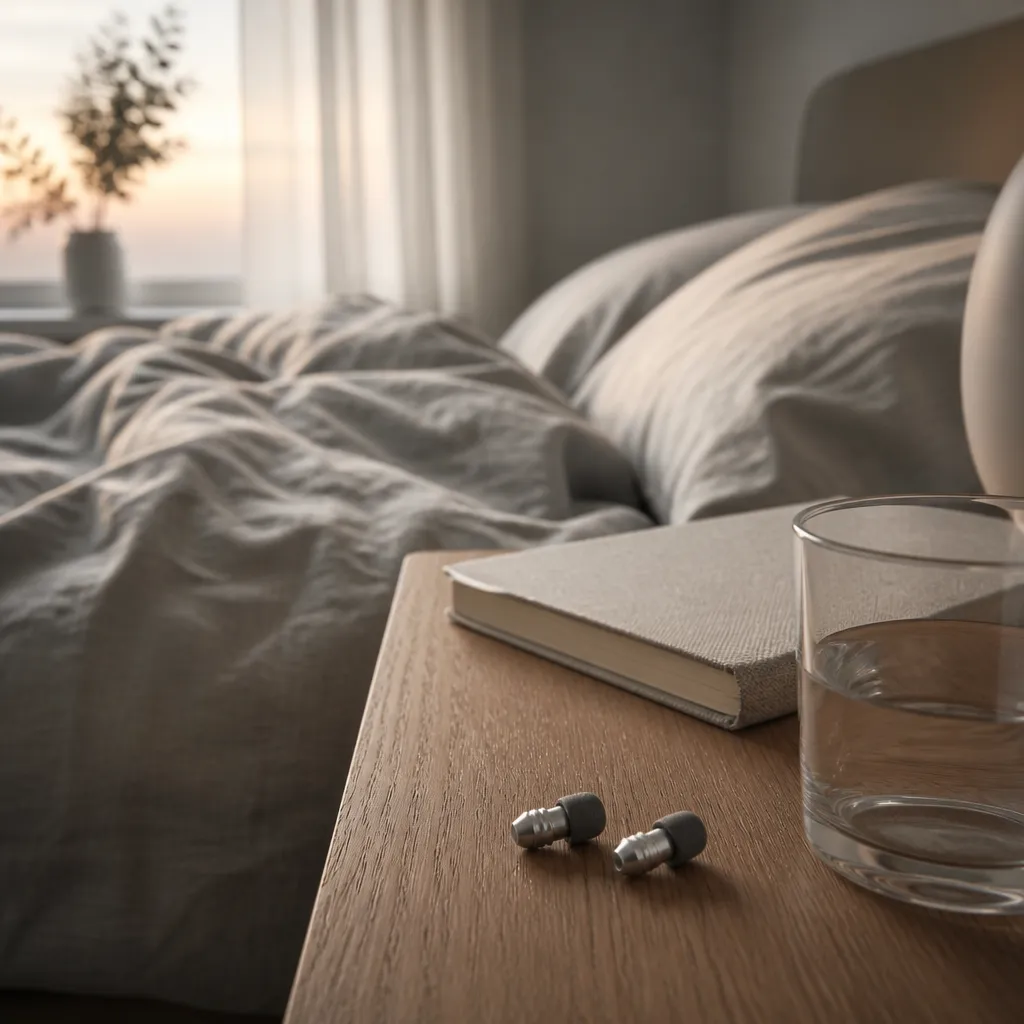
A 2010 review by Killgore on the effects of sleep deprivation on cognition found that insufficient sleep leads to a general slowing of response speed and increased variability in performance. The variability matters most in practice. You may have a few sharp moments and then a bad one, and the bad one arrives without warning.
Simple alertness tasks show these changes most clearly. That is why a tired person can feel reasonably capable while their reactions quietly drift.
Your own sense of how you are doing is a poor gauge after a rough night. Your feelings adjust to the fatigue faster than your performance does. In my experience, the simplest check is to ask whether you would sign off a piece of work you wrote in that state. If the answer is no, do not assume the morning after is safe for demanding work.
Noise rarely needs to wake you to do damage. Sound that never reaches full awareness can still trigger brief arousals, small shifts toward lighter sleep that you usually do not remember. Those interruptions can eat into the sleep that restores the body and helps consolidate memory, even when your total time in bed looks normal.
A common pattern in noisy homes is a sleeper who believes they slept seven hours and still feels flattened. The clock records time in bed, not the quality of that time. Fragmented sleep can look long on paper and still leave you unrestored.
This is why people who insist they “never woke up” often have the most unexplained mornings. The noise did its work below the level of memory.
Steady background noise, such as traffic hum or a fan, is easier to tune out over time. Irregular noise is different. A door slamming, a delivery van reversing at 5 a.m., or a partner’s snoring at uneven intervals keeps part of the brain scanning for the next event. In my experience, these unpredictable spikes are the sounds most likely to trigger the arousals described above.
The practical lesson is to target the unpredictable sounds first. A ceiling fan rarely causes the same trouble as a neighbour’s bass at one in the morning.
Pro tip: Before you buy anything, log for one week when you stir and what you heard just before. Matching the pattern of disruptions to the type of noise tells you whether you need sound blocking, masking, or simply a quieter bedroom.
A 2007 review by Alhola on sleep deprivation and cognitive performance notes that people exposed to sleep loss usually experience a decline in cognitive performance and changes in mood. Mood is the part you notice least in yourself and most in other people. Partners, housemates, and colleagues often spot the irritability before you do.
Short temper is the classic morning-after sign. A slow kettle or a message that needs a second read starts to feel disproportionately annoying. With less reserve to absorb small friction, the same irritation costs you more.
Noise also adds its own stress. You may spend the day thinking about the neighbour’s noise, rehearsing a conversation you dread, or worrying about the next night. That rumination drains energy on top of the sleep debt. Quieter nights help, but so does a plan for the evening, so you do not start the next day already anticipating the next disturbance.
A bad night is rarely just a bad night. Without a change to the conditions, it becomes the first day of a three-day problem.
Expect the mood effect to outlast the sleepiness. In my experience, the second and third days after a rough night are where the small arguments happen, and they are usually about nothing.
For professionals in loud workplaces, the morning-after risk is more than a dip in productivity. Construction, manufacturing, and military work often combine high noise exposure with early starts, which leaves little margin for impaired concentration. A worker who is short on sleep and also tired from a noisy shift is carrying two loads at once.
A common mistake is using one device for everything. Hearing protection designed for a loud shift is built for a different job than a device meant to help you sleep, and a single product is rarely the right answer for both. Treat them as two separate decisions.
ATTENU8 positions its ear plugs for sleep and travel. For workplace hearing protection, follow your employer’s requirements and the guidance for your specific site.
Schedule the most safety-sensitive work for the time you are most likely to be sharp. After a noisy night, move equipment checks, driving-heavy tasks, and anything with a long checklist to a period when you can take short breaks. If that is not possible, build in extra checks at the points where a missed step would cost the most.
Pro tip: Keep a short written checklist for tasks you must complete after a poor night. It reduces the chance that a slow reaction turns into a missed step.
Most people try a few fixes before they find one that works. The table below compares three common approaches for the night before a demanding day, with the trade-offs that tend to matter in practice.
| Approach | Where It Works | Where It Falls Short |
|---|---|---|
| Disposable foam ear plugs used nightly | Inexpensive, easy to find, and soft tips can seal well for many sleepers | Single-use, so cost and waste add up, and fit can loosen during sleep on the side |
| ATTENU8 reusable metal-bodied ear plugs with memory foam tips | Three tip sizes (XS, S, M) for fit, about 32dB noise reduction, and foam tips replaced every 6 to 8 weeks while the body lasts | Fit needs a proper check in the evening, and the product is designed for sleep and travel rather than as workplace hearing protection |
| Fan or white noise machine for masking | Hides steady background sound and needs no insertion | Does little against sudden spikes, and it can mask voices or alarms you need to hear at night |
In practice, the best choice depends on the kind of noise you live with. Steady hum responds well to masking, while sharp, irregular sounds call for a physical seal. For people who face irregular noise most nights, a reusable option usually makes more sense than repeatedly buying disposables.
Recovery starts with resisting the urge to undo the whole week in one go. A long lie-in after a bad night can push your body clock later, which makes the next night harder to settle into. The aim is to recover without creating a new problem.
In my experience, the highest-value recovery step is preventing a second bad night. People often focus on daytime fixes, such as extra coffee and an unplanned nap, but the sleep that matters most is the one that follows. Setting up your bedroom before the evening, rather than reacting once you are already awake, makes a real difference.
A short nap early in the afternoon can help alertness, while a long or late nap tends to make the next night’s sleep harder. Caffeine taken late in the day can also delay your ability to fall asleep, so stop earlier than you think you need to. Keep your wake time close to normal, because your body adjusts more easily to a steady schedule than to sudden shifts in either direction.
The cycle breaks when you change the first noisy night, not the fifth. Reusable ear plugs suit this approach because they live in a bedside drawer or travel case and are ready for the next night without a shop run. The cost is spread over time rather than repeated with every night.
ATTENU8 ships three sizes of soft memory foam tips (XS, S, M) on a concave aluminium body. Fit decides how much of the advertised reduction you actually get. Test each size in the evening, lying in your usual sleeping position, and choose the one that seals without a pressure ache.
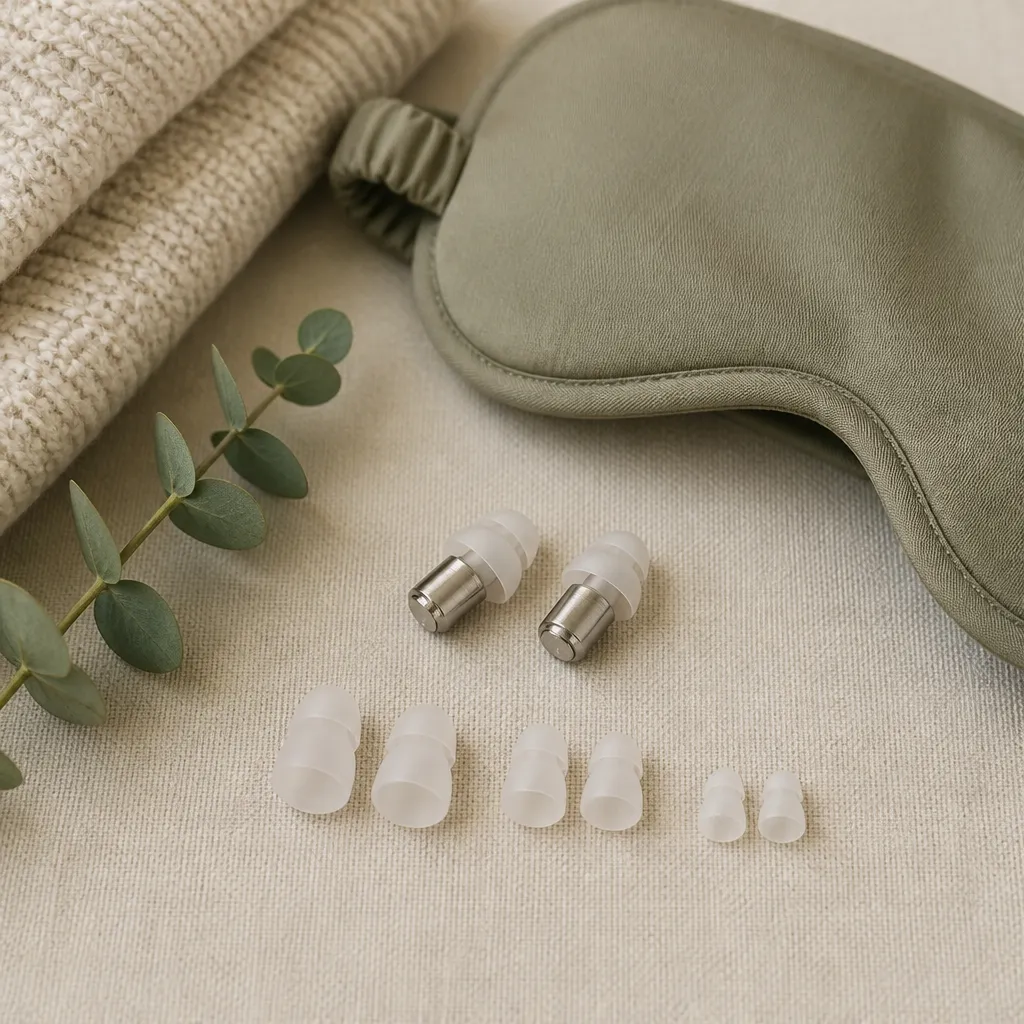
Foam tips need replacing every 6 to 8 weeks, while the metal body stays in use. Swap tips when they lose their shape, look discoloured, or stop sealing, because a tip that no longer expands fully will leak noise. Wash the body with a dry or lightly damp cloth and keep the set in its case between uses.
Pro tip: Keep a spare pair at your bedside and another in your travel bag. Losing a single ear plug on the first night of a trip is the easiest way to lose a whole night of sleep.
Yes. Research summarised by the Sleep Foundation links a single night of lost sleep to trouble with focus, memory, decision making, and reaction. The effects are often most noticeable on tasks that need steady attention.
In practice, the effects of one disrupted night often fade within a day if the following night is sound. Several disrupted nights in a row compound, and mood tends to linger longer than sleepiness.
No. ATTENU8 ear plugs are rated at about 32dB noise reduction, which helps a great deal with everyday sound, but very loud or low-frequency noise can still come through. Good fit matters as much as the product itself.
For most people, nightly use is fine if the plugs are fitted correctly and cleaned regularly. Stop wearing them if you notice pain, irritation, or discharge, and speak to a doctor about any ear problem.
Replace the foam tips every 6 to 8 weeks, or sooner if they lose their shape or stop sealing. The metal body is designed to last, so you do not need to replace the whole set.
ATTENU8 ear plugs are designed for sleep and travel. Follow your workplace’s hearing protection requirements for loud environments and choose protection rated for that job.
Tell us in the comments below which noise wrecks your mornings most, and how your next day went after a rough night.
We would love your feedback and any insights you would share with others. What perspective would you add?

