


 0
0

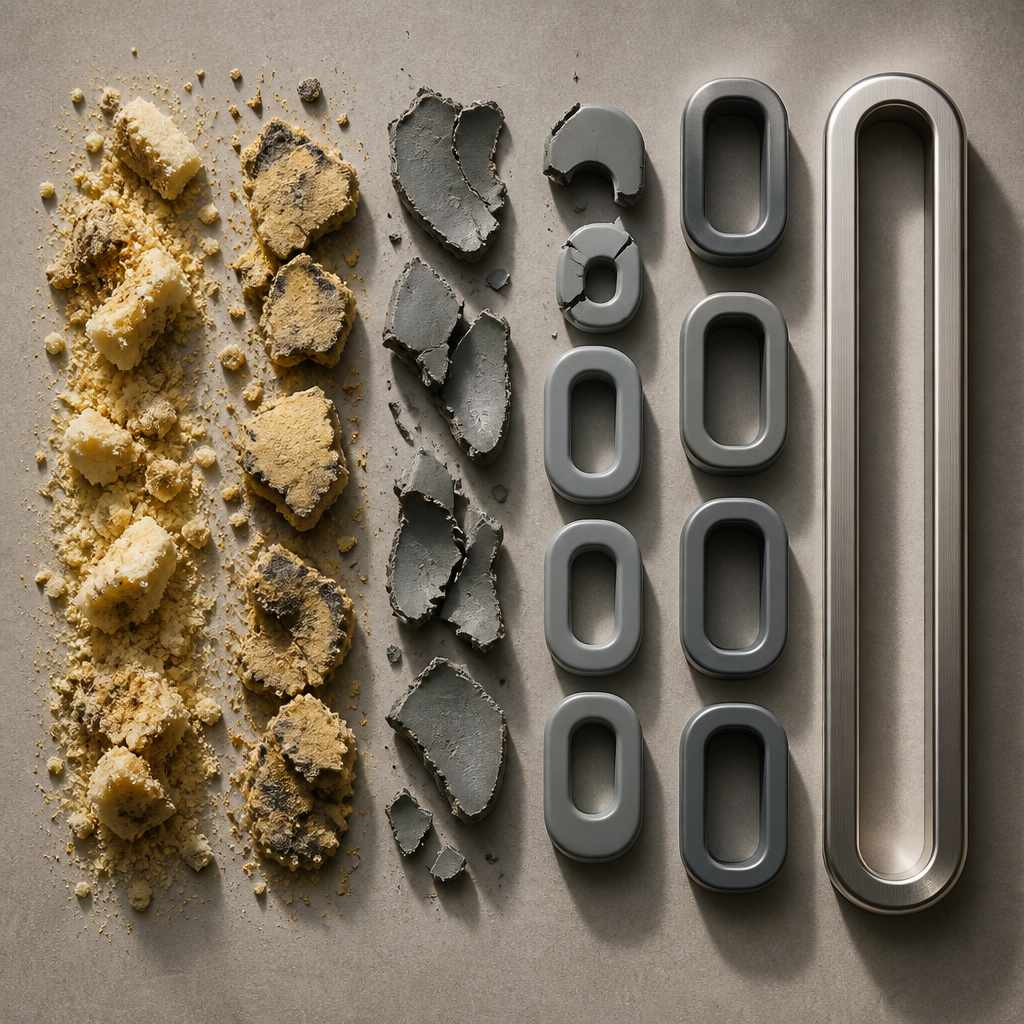
Most people buying ear plugs focus on the number on the box, the Noise Reduction Rating, and assume a higher number means better sleep or safer hearing. The reality is messier than that. A foam plug rated at 32dB may deliver as little as 10dB of real-world attenuation if it is inserted poorly, while a metal-bodied plug with the same rating delivers that protection consistently, night after night, because the insertion technique is repeatable. When you are comparing metal ear plugs vs foam, or weighing those against wax options, the rated number is only the starting point. What matters is what each type actually blocks when you are using it at 2am next to a snoring partner, on a long-haul flight, or in a loud manufacturing environment.
| Key Insight | Explanation |
|---|---|
| Rated NRR is a lab result, not a field guarantee | Foam plugs rated at 28-33dB can deliver as little as 10-15dB of actual attenuation in real-world use due to improper insertion technique. |
| Wax plugs top out around 22-23dB NRR | Wax and silicone options sit well below foam and metal-bodied alternatives at peak lab performance, making them unsuitable for high-noise environments. |
| Metal-bodied plugs deliver repeatable protection | A rigid aluminium housing guides consistent insertion depth every use, reducing performance variation caused by technique errors. |
| Memory foam tips outperform standard polyurethane foam on seal quality | Slower recovery rate means memory foam expands fully against the ear canal walls before rebounding, creating a more complete acoustic seal. |
| Foam plug hygiene degrades quickly | Disposable foam plugs accumulate earwax, skin oils, and debris within days. They are not designed for daily reuse, which undermines both hygiene and performance. |
| Wax plugs are impractical for industrial use | Wax moulds to the outer ear rather than sealing the canal, making them poorly suited for environments exceeding 85dB where a consistent deep seal is essential. |
| ATTENU8 metal-bodied plugs require only tip replacements every 6-8 weeks | The aluminium body lasts indefinitely. Only the memory foam tips wear out, making this the lowest long-term cost option for daily users. |
The Noise Reduction Rating printed on every ear plug package is measured under controlled laboratory conditions with trained subjects who achieve maximum insertion depth. That number represents the best-case scenario for that plug design, not the typical result for an average user inserting it before bed in a dark room.
Research from NIOSH suggests that average field attenuation from disposable foam ear plugs runs at roughly 10-15dB, compared to the labeled NRR of 28-33dB. That gap is not a conspiracy by manufacturers. It is the predictable consequence of insertion technique variation, ear canal geometry differences, and the fact that most people do not follow the roll-compress-hold-and-wait procedure correctly every single time.
Understanding this gap reframes the entire comparison. The best ear plug is not the one with the highest number on the box. It is the one that delivers the most protection consistently, across real-world insertions, for your specific use case.
A rated NRR tells you what a plug can do under perfect conditions. Field performance tells you what it actually does when you are half-asleep, skipping steps, and hoping for the best. These two numbers are rarely the same.
Pro tip: When comparing ear plug types, mentally divide the rated NRR by 2 to get a conservative but realistic estimate of the protection you will actually experience. A 32dB-rated plug realistically delivers around 16dB of attenuation in everyday use, which is still meaningful but changes which product wins for your situation.
Standard disposable foam ear plugs made from polyurethane are the most widely used form of hearing protection in the world. They are cheap, universally available, and when inserted correctly, capable of blocking a significant amount of noise. The roll-compress-insert-and-hold method, when executed well, creates a tight canal seal that explains their dominance in industrial safety settings.
The problem is that “when executed well” carries a lot of weight. You compress the plug by rolling it tightly between your fingers, insert it while holding your outer ear back and upward to straighten the canal, and hold it in place for 20-30 seconds while it expands. Miss any step and effectiveness drops sharply. For someone using them once at a concert, the technique gap is a minor inconvenience. For someone relying on them every night for sleep, or a construction worker wearing them for an eight-hour shift, inconsistent insertion translates directly into inconsistent protection.
Disposable foam plugs are not designed for daily reuse. Within a few uses, they accumulate earwax, skin oils, and debris that degrades both the foam material and its ability to expand properly. Most manufacturers recommend disposing of them after one to three uses, which makes them expensive and wasteful for anyone using ear protection daily.
Side sleepers face a separate problem. Standard cylindrical foam plugs protrude from the ear canal and press painfully against a pillow, breaking the seal and causing discomfort that interrupts sleep. The very situation foam plugs are meant to help with, getting to sleep, is made harder by the plug’s physical design.
Pro tip: If you are using disposable foam plugs for sleep and waking up with one on your pillow, the plug was never seated deeply enough to hold. This is extremely common and is a symptom of the technique problem rather than your ear anatomy. Switching to a metal-bodied plug with a low-profile concave housing eliminates this entirely.
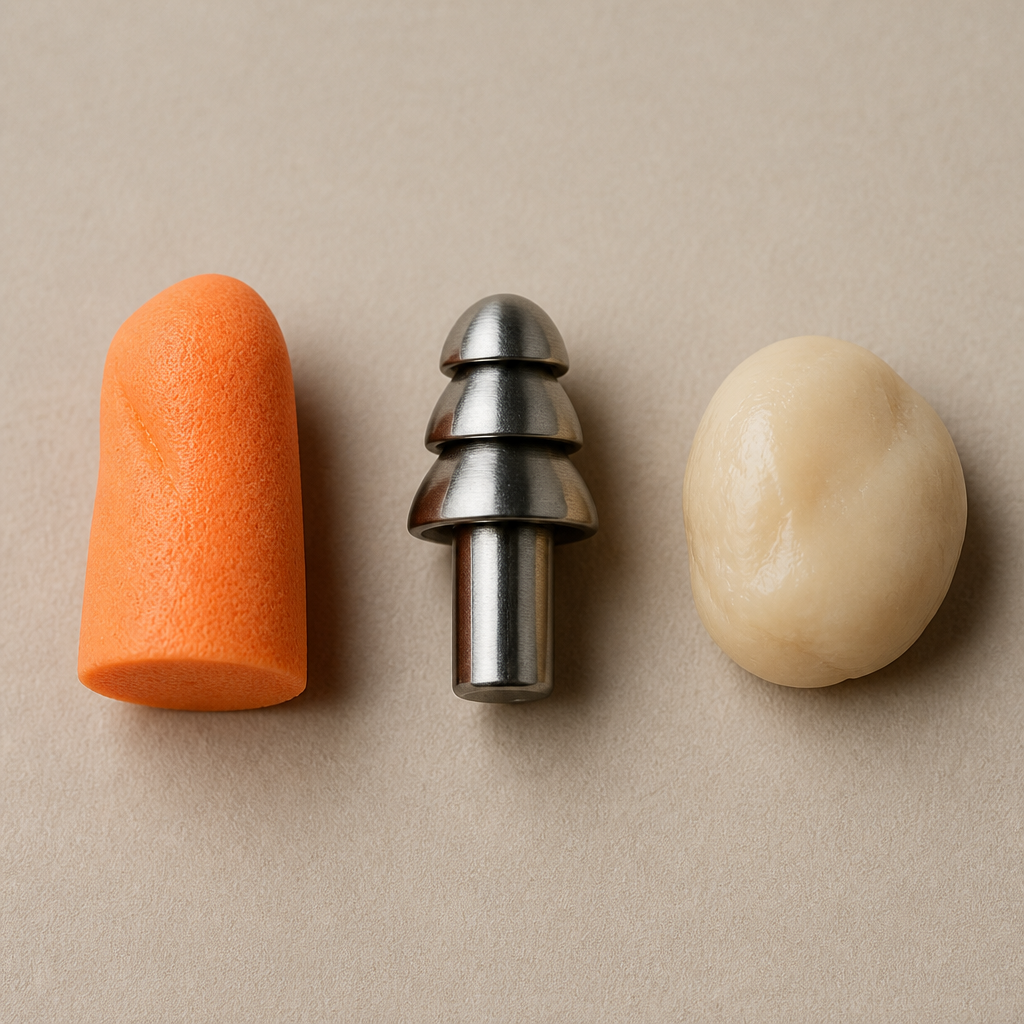
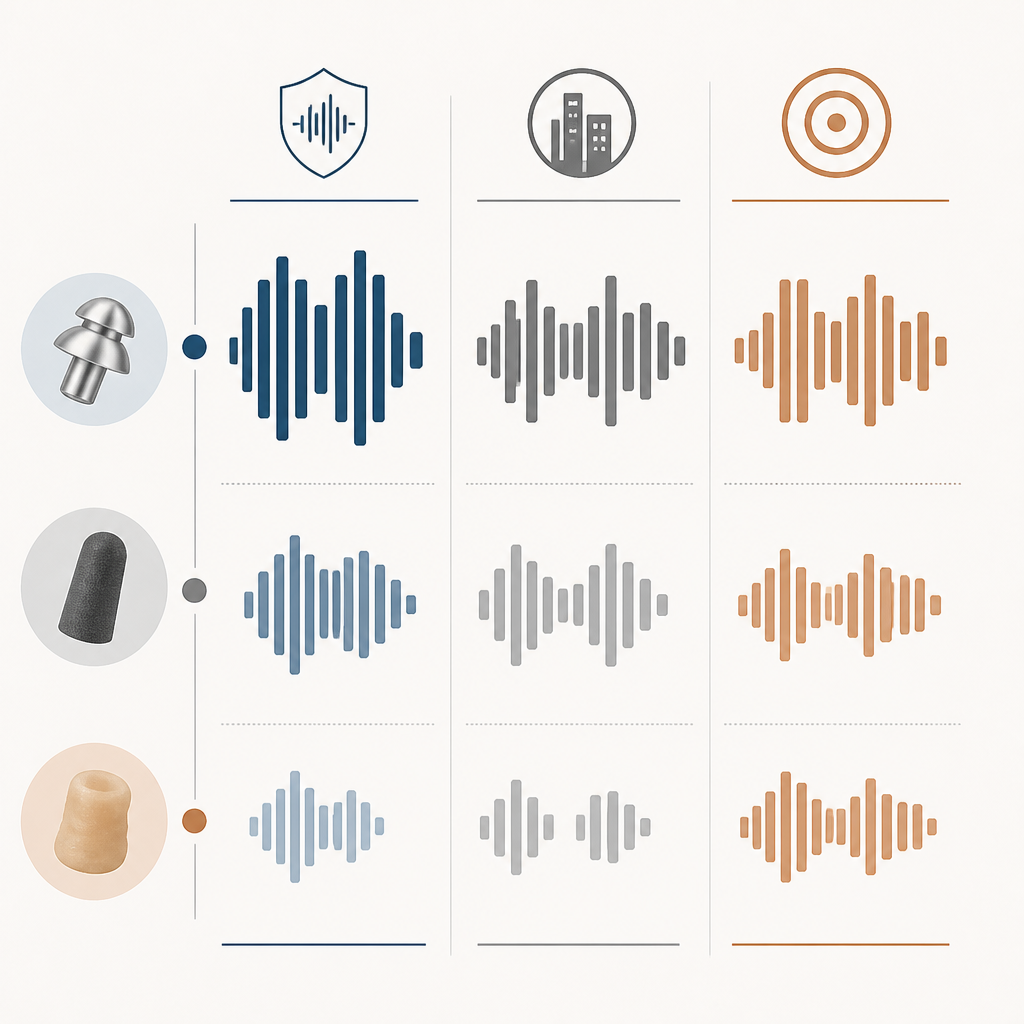
Wax ear plugs occupy a specific and limited niche. They are designed to be moulded and pressed against the outer opening of the ear canal rather than inserted deeply into it. This makes them genuinely comfortable for people who cannot tolerate anything inside the canal, and they are popular for swimming because they create a watertight surface seal.
Their noise reduction ceiling is substantially lower than foam or metal-bodied alternatives. Wax and silicone options commonly carry NRR ratings in the 22-23dB range. That is enough to take the edge off moderate background noise or light street sound, but it is nowhere near adequate for environments above 85dB, and it is marginal for blocking a partner who snores at 60-90dB at close range.
Wax plugs are not a bad product. They are a misapplied product when people buy them expecting industrial-grade protection. For someone who needs to muffle light ambient noise in a quiet bedroom, or who has very sensitive ear canals that react to foam, wax provides a gentle, comfortable option. For light sleepers dealing with significant noise sources, street traffic, loud neighbours, or a snoring partner, wax will consistently underperform.
Hygiene is also a genuine concern. Wax plugs are single-use by design. Reusing them accumulates bacteria and debris, and the material loses its moulding capability quickly. Daily replacement makes them one of the more expensive options per use for regular sleepers.
Metal-bodied ear plugs like those made by ATTENU8 approach the problem from a different angle. Rather than relying on the user to achieve perfect foam compression and insertion technique every time, the aluminium housing does that work for you. The rigid body guides the plug to a consistent depth with consistent orientation on every insertion. You feel the resistance of proper seating through the stem. There is no guesswork.
The memory foam tips fitted to a metal-bodied plug behave differently from standard polyurethane foam. Memory foam’s slower recovery rate means it expands gradually against the canal walls, conforming to the irregular geometry of your specific ear canal rather than springing back before the seal is complete. This creates a more complete acoustic seal at a consistent depth each time.
The single biggest advantage of a metal-bodied design over disposable foam is repeatability. A 32dB-rated metal-bodied plug delivers close to that protection every insertion because the technique is always the same. You hold the stem, align it, and seat it. The rigid body prevents over-insertion or under-insertion. For a light sleeper who puts ear plugs in at midnight every night, this consistency is worth more than a marginally higher rated NRR on a foam plug they will never achieve reliably.
ATTENU8’s concave aluminium body also sits flush rather than protruding, which directly addresses the side sleeper pillow problem that foam plugs cause. The low-profile design maintains the seal even under pillow pressure, which is not something a standard cylindrical foam plug can claim.
The aluminium body of an ATTENU8 plug is a one-time purchase. The only component that wears out is the memory foam tip, which needs replacing every 6-8 weeks with regular daily use. Three or four tip replacements per year represent the entire ongoing cost. Compare that to buying fresh foam disposables every few days if you are a daily user, and the economics shift decisively in favour of the metal-bodied option within the first few months.
Three tip sizes, XS, S, and M, address the reality that ear canal geometry varies significantly across individuals. A single-size-fits-all foam plug creates variable performance precisely because it cannot account for this variation. Matching tip size to your canal diameter is one of the most effective things you can do to improve the actual protection you receive.
The table below compares all three types across the dimensions that matter most for real-world daily use. Rated NRR is included but it is not the primary judge, since field performance depends heavily on the factors discussed above.
| Feature | Metal-Bodied (e.g. ATTENU8) | Disposable Foam | Wax |
|---|---|---|---|
| Typical Rated NRR | ~32dB | 25-33dB | 22-23dB |
| Realistic Field Attenuation | High (consistent insertion) | Variable (10-15dB average in field studies) | Low-moderate (surface seal only) |
| Insertion Technique Required | Minimal. Stem guides depth. | High. Roll, compress, hold required. | Low. Press against outer ear. |
| Comfort for Side Sleepers | Excellent (low-profile concave body) | Poor (protrudes, breaks seal on pillow) | Good (surface seal, no protrusion) |
| Reusability | Body: indefinite. Tips: 6-8 weeks. | 1-3 uses maximum | Single use |
| Hygiene | High (washable body, replaceable tips) | Low (absorbs oils and debris rapidly) | Low (single use or degrades quickly) |
| Suitable for Industrial Use | Yes (consistent high attenuation) | Yes, if inserted correctly | No (insufficient NRR for loud environments) |
| Long-Term Cost | Low (tips only after initial purchase) | High (constant repurchase) | High (single use, daily replacement) |
This is not a case where every option is equally valid depending on preference. Each type has clear strengths and clear failure modes. Matching the plug type to the actual use case is the difference between genuinely protected hearing and a false sense of security.
Metal-bodied plugs with memory foam tips win for daily sleep use. The combination of consistent insertion, low-profile design, and adequate NRR covers the most common sleep noise problems, snoring partners, street traffic, and thin apartment walls, reliably. Wax is an acceptable fallback for people with unusually sensitive canals who find any in-canal product uncomfortable. Disposable foam is the worst choice for nightly use because of hygiene degradation, protrusion discomfort, and technique dependency.
Aircraft cabin noise typically sits around 85dB during cruise. Both foam and metal-bodied plugs rated at 30dB+ can handle this, but the reusable nature of the metal-bodied option makes it more practical for frequent travellers. Disposable foam is commonly available in airports, making it a reasonable emergency backup. Wax provides insufficient attenuation for sustained aircraft noise and is not the right tool for this environment.
Environments above 85dB demand the highest possible consistent attenuation. Properly inserted foam is the traditional standard and remains effective when used correctly. Metal-bodied plugs with high-NRR memory foam tips offer an equally rated alternative with better consistency across a workday where inserting and removing plugs dozens of times is normal. Wax plugs should not be used as primary hearing protection in any environment classified as hazardous under occupational safety standards.
Pro tip: If you work in a loud environment and find yourself removing your ear plugs frequently because they are uncomfortable, the plug type is wrong for you, not your ears. Comfort directly affects compliance, and a 32dB plug you remove is providing 0dB of protection. A comfortable plug worn consistently beats a highly rated plug used inconsistently every time.
The rated NRR can be equivalent, around 32dB for both, but metal-bodied plugs typically deliver that rating more consistently in real-world use. The rigid housing ensures repeatable insertion depth, removing the technique variation that causes foam plugs to underperform their rating. NIOSH field studies suggest disposable foam averages 10-15dB of actual attenuation in practice, while a metal-bodied plug’s consistent insertion delivers performance much closer to its rated figure.
For most people, no. Snoring ranges from around 60dB up to 90dB at close range. Wax ear plugs with an NRR of 22-23dB provide only modest attenuation, and their surface seal rather than canal seal means real-world performance is at the lower end of that range. You would need at least 20dB of genuine field attenuation to meaningfully reduce snoring to sleep-friendly levels, and wax plugs rarely deliver that reliably for a partner sleeping beside the source.
For daily users, memory foam tips on metal-bodied plugs like ATTENU8 need replacing approximately every 6-8 weeks. The foam gradually loses its expansion properties with repeated compression, earwax absorption, and cleaning. The aluminium body itself does not wear out and does not need replacing. This makes the total cost of ownership over a year substantially lower than either daily disposable foam or single-use wax alternatives.
Yes, and this is one of their clearest advantages over standard foam plugs. ATTENU8’s concave aluminium body is designed to sit flush with the ear rather than protrude, which means pillow pressure does not break the seal or cause the discomfort that wakes side sleepers. Standard cylindrical foam plugs protrude significantly and press into the pillow surface, which both breaks the acoustic seal and creates pain that interrupts sleep.
Standard polyurethane foam rebounds quickly after compression, which can cause it to spring back before it fully seats against the canal walls. Memory foam, the type used in ATTENU8 tips, has a slower recovery rate that allows it to expand gradually into the unique contours of an individual ear canal, creating a more complete acoustic seal. Memory foam also tends to apply lower pressure against the canal walls, reducing the soreness that regular foam plugs cause during extended wear.
When maintained properly, yes. Disposable foam plugs absorb oils and earwax rapidly and should be discarded after one to three uses. Most people reuse them far longer than recommended, which introduces hygiene risks and degrades performance. Metal-bodied plugs like ATTENU8 have a washable aluminium body, and the foam tips are replaced on a scheduled basis every 6-8 weeks rather than when they visibly fail. This is a more controlled and hygienic approach than recycling disposable foam beyond its intended lifespan.
Have you switched from disposable foam to a reusable option for sleep or work? Share what difference you noticed with the seal, comfort, or noise reduction in the comments below.
Most Kickstarter campaigns spend months building buzz before launch day. ATTENU8 hit 127% of its funding goal within 24 hours, which tells you something specific: backers did not need convincing. They had already been let down by cheap foam plugs that crumble, silicone tips that slip, and flimsy plastic bodies that crack in a bag. The ATTENU8 ear plugs review conversation online is not about whether the product works. It is about why it took this long for someone to build a reusable ear plug worth keeping. This article unpacks what drove that Kickstarter result, what the product actually delivers, and how it compares to the premium reusable ear plug market it now competes in directly.
| Key Insight | Explanation |
|---|---|
| 127% funded in 24 hours | ATTENU8 exceeded its Kickstarter goal within a single day, signalling a highly primed, frustrated audience ready to switch from disposable foam options. |
| Metal body is the differentiator | The concave aluminium shell is not cosmetic. It survives daily carry, resists compression, and does not absorb odour the way plastic and foam do over time. |
| 32dB noise reduction rating | Approximately 32dB attenuation puts ATTENU8 in the same bracket as industrial hearing protection, covering sleep, travel, construction, and manufacturing environments. |
| Three tip sizes in the box | XS, S, and M memory foam tips ship with every pair. A correct fit is what separates adequate noise reduction from effective noise reduction. |
| Tip replacement, not full replacement | Foam tips are replaced every 6 to 8 weeks. The metal body does not wear out. That is a fundamentally different ownership model to disposable or semi-durable competitors. |
| Sleep and travel are the primary use cases | Light sleepers and frequent flyers drove early Kickstarter backing. These users tolerate no margin for error on fit and comfort, which is exactly where cheap foam fails. |
| Kickstarter success as a proof-of-market signal | Crowdfunding at this speed confirms genuine unmet demand, not just novelty interest. Backers were solving a real, recurring problem they had not solved with existing products. |
Crowdfunding speed is a reliable indicator of pre-existing frustration. When a product funds this fast, it means the audience already knew their problem, had already tried alternatives, and had already decided those alternatives were not good enough. The ATTENU8 Kickstarter result did not happen because of clever marketing copy. It happened because light sleepers, frequent travellers, and noise-sensitive professionals are a large, underserved group who had been making do with inferior products for years.
Disposable foam ear plugs dominate the market by volume but fail on almost every qualitative measure. They compress unevenly, lose their shape overnight, collect debris, and generate waste that adds up fast for daily users. The alternative until recently was either custom-moulded plugs at significant cost or consumer-grade silicone options that compromise on attenuation to prioritise style. ATTENU8 entered Kickstarter with a product that did not ask backers to compromise.
Backers on Kickstarter are experienced enough to be sceptical of products that look good in renders but feel cheap in hand. The aluminium body in ATTENU8 is a credibility signal before the product is even inserted. Metal communicates permanence. It tells a sceptical buyer that this was engineered, not assembled from generic components.
The concave form factor also serves a function. It creates a natural grip point for insertion and removal, which matters more than it sounds for users who remove ear plugs half-asleep in the middle of the night or in turbulent cabin conditions.
The fastest-funded products on Kickstarter are rarely the most novel. They are the ones that solve a problem the backer has personally experienced, in a way that feels obviously better than what they have been settling for.
Remote work and open-plan offices expanded the population of people actively searching for noise management solutions. More people sleeping next to partners with different schedules, more people on long-haul flights working or resting, more shift workers trying to sleep during daylight hours. ATTENU8 launched into a market that had grown considerably from its pre-pandemic baseline.
Pro tip: If you are evaluating whether ATTENU8 is worth the switch from disposables, calculate what you spend on foam plugs monthly. Daily users of disposables spend more in a year than the cost of a single ATTENU8 pair plus several tip replacement cycles.
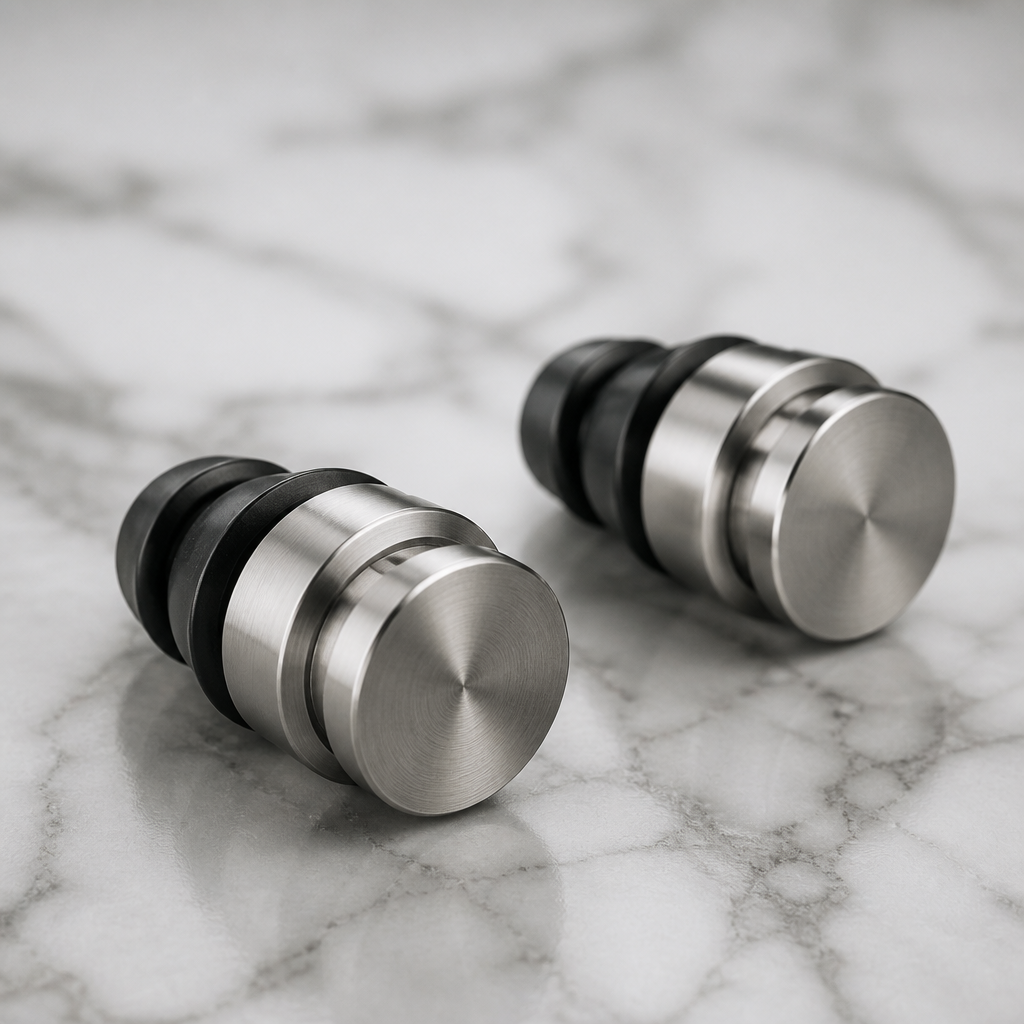
The core specification is approximately 32dB of noise reduction. That number sits at the high end of what most sleep-focused ear plugs claim and is comparable to what professional hearing protection products deliver in industrial settings. The difference is that ATTENU8 achieves this while remaining comfortable enough for side sleepers, which is the use case most ear plug designs fail at spectacularly.
Side sleeping compresses whatever is in your ear against a pillow. Rigid plugs create pressure points. Plugs that protrude too far create an awkward pivot point. The ATTENU8 aluminium body sits close to the ear canal entrance, meaning the profile is low enough to avoid the pillow-pressure problem that causes most side sleepers to remove their ear plugs before they have finished working.
The three included tip sizes, XS, S, and M, matter because ear canal diameter varies significantly between individuals and even between a person’s left and right ear. A tip that is too small defeats the entire noise reduction rating by leaving a gap. A tip that is too large causes pain and pressure before the foam has time to expand properly.
Memory foam is the right material here. It conforms slowly, which means it seals progressively rather than creating sudden pressure on insertion. For users who have found silicone tips uncomfortable, the foam contact feel is meaningfully different, softer on initial contact and more adaptive over the first few minutes of wear.
The 6 to 8 week replacement cycle for tips is a practical maintenance rhythm. At that frequency, tips are replaced often enough to stay hygienic and retain their expansion properties, but not so often that the cost or effort becomes a friction point. The metal body, which does not degrade under normal use, means the per-use cost of the product trends toward negligible over its lifespan.
Pro tip: When fitting ATTENU8 for the first time, try all three tip sizes before settling on one. Insert, allow the foam to expand fully for 60 seconds, then assess the seal by rubbing your fingers near your ears. A proper seal will muffle that sound noticeably. If it does not, move to the next size up.
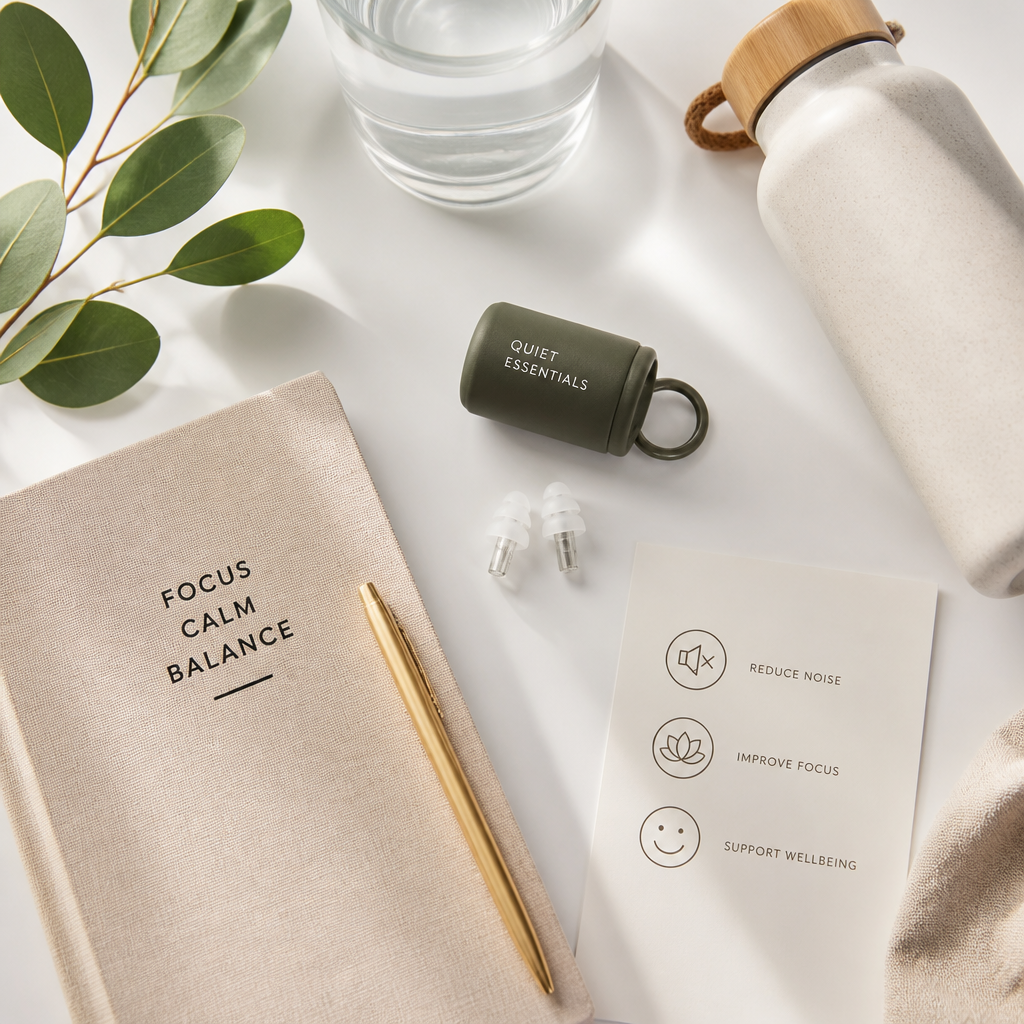
The Kickstarter backer profile tells you more about the target user than any marketing brief. The early adopters were not audiophiles or extreme sports participants. They were light sleepers, shift workers, frequent flyers, and professionals in consistently loud environments who had developed strong opinions about what the existing market was getting wrong.
This is the largest user group and the most demanding. A light sleeper is not looking for moderate noise reduction. They need a product that reliably blocks enough ambient sound to prevent arousals, fits securely enough to stay in place for eight hours, and is comfortable enough that they forget it is there. Those three requirements simultaneously rule out most of what is sold in pharmacies and most of what is sold as a premium lifestyle product.
ATTENU8’s low-profile metal body and conforming foam tips address all three requirements more directly than either traditional foam cylinders or silicone-bodied competitors. Traditional foam plugs are excellent at attenuation but poor at stability and consistency. Silicone-bodied lifestyle plugs are comfortable but frequently sacrifice attenuation for aesthetics.
Construction, manufacturing, and military environments have specific hearing protection requirements. A product claiming approximately 32dB reduction is viable in these contexts. The durability advantage of the aluminium body is particularly relevant here. A foam disposable in a tool belt pocket is degraded before it is even inserted. An aluminium-bodied plug in a carry case is not.
For professionals who wear ear protection for hours at a stretch, the memory foam tip material also reduces the cumulative pressure discomfort that builds over a shift with harder silicone or rigid stem designs. This is the practical reason reusable, foam-tipped, metal-bodied plugs have a real market in professional environments and not just consumer sleep and travel contexts.
The premium reusable ear plug market currently has three meaningful players worth comparing directly: ATTENU8, Flare Audio, and Loop. Each takes a different position on the comfort-versus-attenuation spectrum, and each makes specific trade-offs that suit different user profiles.
Flare Audio approaches ear plugs with an acoustic engineering focus, targeting musicians and audiophiles who want noise reduction without significant frequency distortion. Loop has built a strong consumer brand around aesthetics and social acceptability, with a plug design that is intentionally visible and stylish. ATTENU8 sits in a different position: maximum attenuation, durable construction, and a maintenance model that reduces long-term cost.
| Feature | ATTENU8 | Loop Ear Plugs | Flare Audio |
|---|---|---|---|
| Body Material | Concave aluminium (metal) | Plastic and silicone | Titanium or aluminium (model-dependent) |
| Noise Reduction | Approximately 32dB | Varies by model (some prioritise frequency balance over raw dB) | Varies; some models tuned for acoustic clarity over maximum attenuation |
| Tip System | Memory foam, 3 sizes (XS, S, M), replaceable every 6 to 8 weeks | Silicone tips, multiple sizes | Foam or silicone tips depending on model |
| Primary Use Case | Sleep, travel, professional noise environments | Social settings, concerts, everyday urban wear | Music listening, concerts, studio environments |
| Ownership Model | Replace tips only; metal body is permanent | Full replacement when worn | Full replacement when worn |
| Side Sleeper Suitability | High, due to low-profile body design | Moderate, loop stem can create pillow pressure | Varies; some stem designs create pressure on side sleeping |
The critical difference that gets underreported in most ATTENU8 ear plugs review comparisons is the ownership model. Loop and Flare Audio sell you a complete product that you eventually replace. ATTENU8 sells you a permanent body and a consumable tip. Over a two-year period, that distinction matters significantly on both cost and environmental impact.
The economics of daily ear plug use are straightforward once you run them out. Disposable foam plugs used nightly generate waste and recurring cost that accumulates faster than most users track. A daily user goes through roughly 30 pairs per month. Over a year, that is 360 pairs discarded. The material cost alone is meaningful, and the environmental weight of that volume of single-use foam is significant.
ATTENU8’s model breaks this cycle. The aluminium body is a one-time purchase. The memory foam tips, replaced every 6 to 8 weeks, represent the ongoing cost. At that replacement frequency, a year of use requires roughly seven to eight tip changes. The per-use economics shift dramatically in favour of the reusable model when extended beyond the first few months.
There is a cost that does not appear on any receipt: the cost of using ear plugs that do not work well enough. A light sleeper who wakes at 3am because a cheap foam plug shifted loses sleep, suffers the downstream effects of that interrupted rest, and often gives up on ear plugs entirely rather than switching to a better product. That abandonment represents both a personal health cost and a market opportunity.
The best reusable ear plugs for sleep are not the ones with the most impressive marketing. They are the ones that stay in place, maintain their seal, and remain comfortable long enough to complete a full sleep cycle. ATTENU8’s combination of memory foam tips and a stable metal body addresses this directly. The aluminium shell does not compress, shift, or distort under pillow pressure the way an all-foam or flexible plastic plug does.
A reusable ear plug that actually stays in and works is worth significantly more than a cheap disposable that comes out at 2am. The real metric is not price per unit. It is cost per night of uninterrupted sleep.
For professionals in noise environments, the calculation is similar but includes the compliance angle. Hearing loss in manufacturing, construction, and military contexts is cumulative and irreversible. A hearing protection product that workers are willing to actually wear, because it is comfortable and fits correctly, delivers safety outcomes that an uncomfortable product shoved in a pocket cannot.
The metal ear plugs Kickstarter success of ATTENU8 is ultimately a story about a market that was underserved not for lack of awareness but for lack of a product that cleared the bar on every relevant dimension simultaneously: attenuation, comfort, durability, and long-term cost.
Standard foam ear plugs are single-use, degrade quickly, and compress unpredictably. ATTENU8 uses a permanent aluminium body with replaceable memory foam tips. The metal body does not wear out, the tips are replaced every 6 to 8 weeks, and the overall noise reduction of approximately 32dB is consistent across uses rather than degrading as the foam ages.
Yes. The concave aluminium body is designed with a low profile that reduces pressure when sleeping on your side. Many competitor designs, particularly those with a loop or stem that extends outside the ear, create a pivot point against the pillow that either causes discomfort or pushes the plug out during the night. ATTENU8’s design specifically avoids this failure mode.
ATTENU8 recommends replacing the memory foam tips every 6 to 8 weeks with regular use. Tips replaced at this frequency retain their expansion properties and hygiene. The aluminium body itself does not require replacement under normal use conditions.
Start with the medium size and test the seal by inserting the tip, allowing the foam to fully expand for around 60 seconds, then lightly rubbing your fingertips near the ear canal. A properly sealed tip will muffle this sound clearly. If the seal feels incomplete, move to the large size. If insertion feels uncomfortable or forced, try the small size. ATTENU8 includes XS, S, and M with every pair so you can trial all sizes before committing.
Loop is primarily positioned for social and everyday urban use, with designs that prioritise aesthetics and some frequency transparency over maximum attenuation. Flare Audio targets acoustic environments like concerts and studios where sound quality matters as much as volume reduction. ATTENU8 is the better fit for professional noise environments such as construction, manufacturing, and military settings, where maximum attenuation, physical durability, and all-day comfort under a helmet or earmuff are the relevant requirements.
A daily user of disposable foam ear plugs discards roughly 360 pairs per year. ATTENU8 generates only the discarded foam tips at replacement intervals, roughly 7 to 8 tip changes per year. The aluminium body itself is not disposed of. Over a two-year period, the reduction in single-use waste is substantial. For users motivated by both personal hearing protection and waste reduction, the reusable model is the only option that addresses both.
Kickstarter allowed ATTENU8 to validate genuine market demand before committing to full production scale. The 127% funding result within 24 hours confirmed that the target audience, light sleepers, travellers, and noise-environment professionals, were actively looking for a product like this and were not satisfied with existing options. Crowdfunding also created a community of early adopters who were invested in the product’s success before it shipped.
Have you made the switch from disposable foam ear plugs to a reusable option, and what was the deciding factor for you? Share your experience in the comments below.

