


 0
0

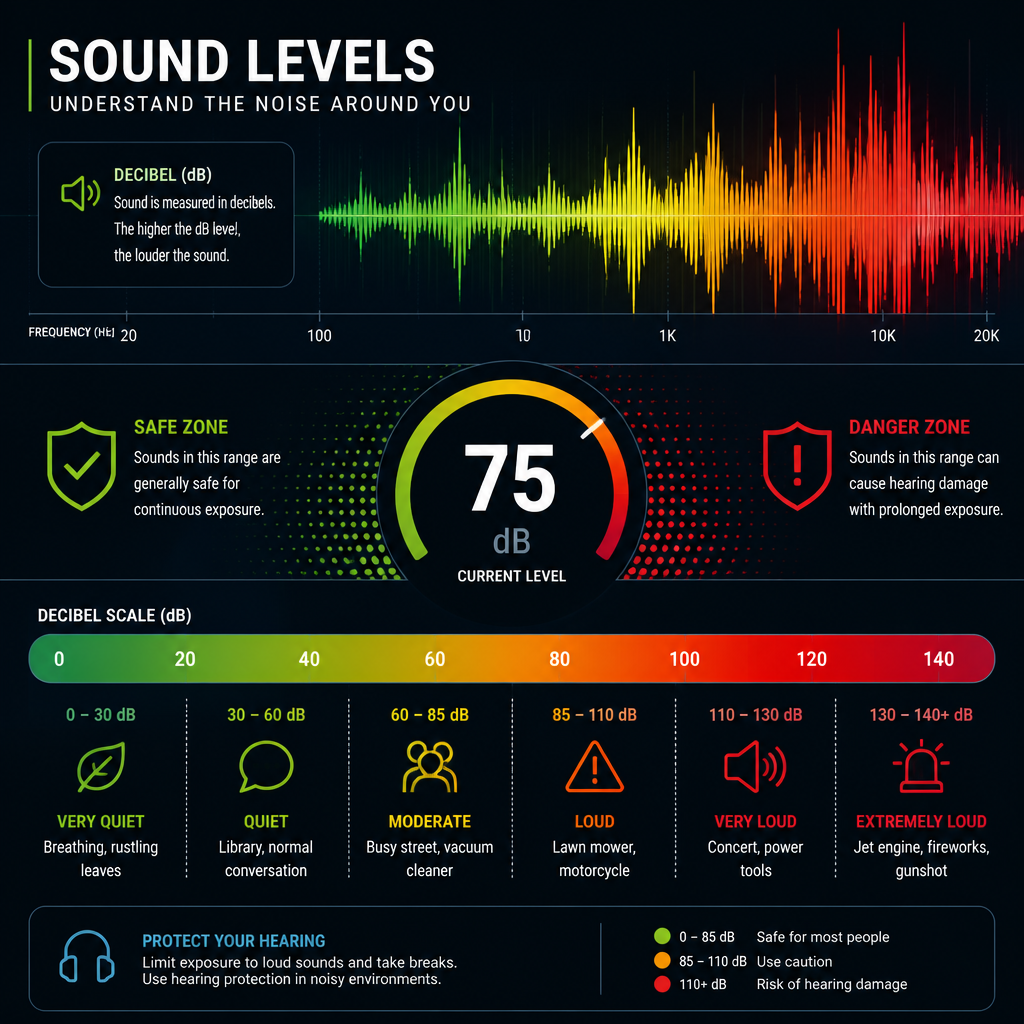
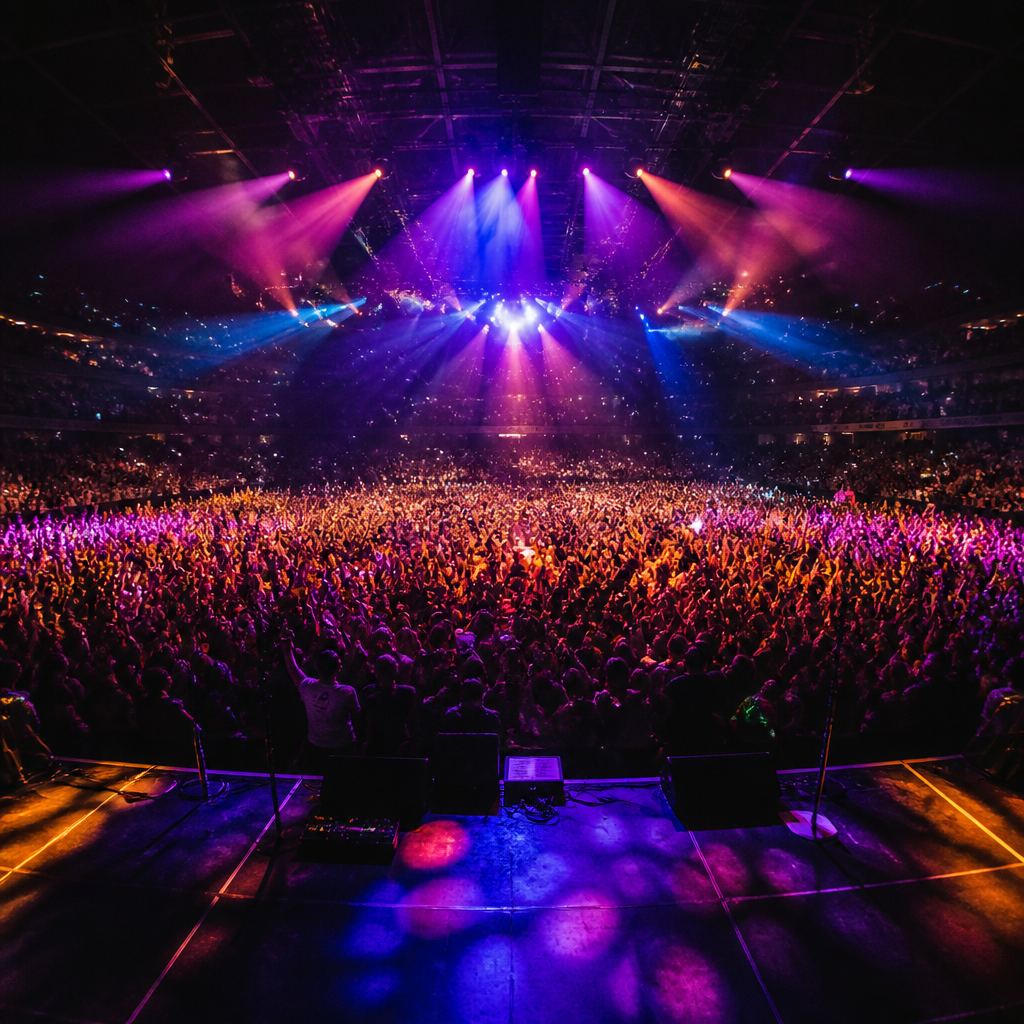
A single rock concert can expose your ears to sound levels between 110 and 120 decibels. According to the World Health Organization, just 15 minutes of exposure above 100dB is enough to cause permanent hearing damage. Yet millions of live music fans attend events every year without any hearing protection, often because they assume ear plugs will muffle the music into an unrecognizable mess. That assumption is outdated, and it is costing people their hearing. The right ear plugs for concerts reduce volume without destroying the sonic experience, and understanding how they work changes everything.
| Key Insight | Explanation |
|---|---|
| Concert volumes regularly exceed safe limits | Most live events run between 100 and 120dB. Safe exposure at 100dB is under 15 minutes without protection. |
| Not all ear plugs kill music quality | Flat-attenuation or high-fidelity ear plugs reduce volume evenly across frequencies, preserving clarity and detail. |
| A 32dB NRR rating provides serious protection | At 32dB noise reduction, a 115dB concert becomes roughly 83dB at your eardrum, well within a safe range for extended listening. |
| Fit determines effectiveness more than materials | An ear plug that does not seal properly provides almost no meaningful protection, regardless of its advertised NRR. |
| Reusable metal-bodied ear plugs outperform single-use foam long-term | Premium reusable plugs with replaceable memory foam tips maintain consistent fit and hygiene across dozens of events. |
| Hearing damage from concerts is cumulative | Tinnitus and noise-induced hearing loss (NIHL) build over years. Occasional unprotected exposure compounds into long-term damage. |
| Multiple tip sizes matter for concert use | Ear canals vary significantly between individuals. Plugs offering XS, S, and M tips allow a genuine custom-like seal for more listeners. |
The mechanics of noise-induced hearing loss are straightforward and unforgiving. Loud sound vibrates the tiny hair cells inside your cochlea, the fluid-filled structure responsible for converting sound waves into nerve signals. At high enough volumes, those hair cells bend, fatigue, and eventually die. Unlike skin cells or liver cells, cochlear hair cells do not regenerate in humans.
The National Institute on Deafness and Other Communication Disorders (NIDCD) reports that approximately 17 percent of teenagers in the United States already show some signs of hearing loss, a figure that has risen alongside the popularity of loud personal audio and live events. Concert exposure is a significant driver of this trend.
What makes concerts particularly dangerous is the combination of duration and peak intensity. A three-hour show at 110dB delivers far more acoustic energy to your ears than a brief industrial exposure at the same level. The damage is not always immediately obvious either. Many concert-goers experience temporary threshold shifts, a short-term reduction in hearing sensitivity that resolves within hours, and mistake this for recovery. In practice, repeated temporary threshold shifts are the early warning sign of permanent damage accumulating over time.
Pro tip: If you notice ringing in your ears or muffled hearing after a concert, that is not a normal part of the live music experience. It is your auditory system signaling that it absorbed more acoustic energy than it could safely handle.
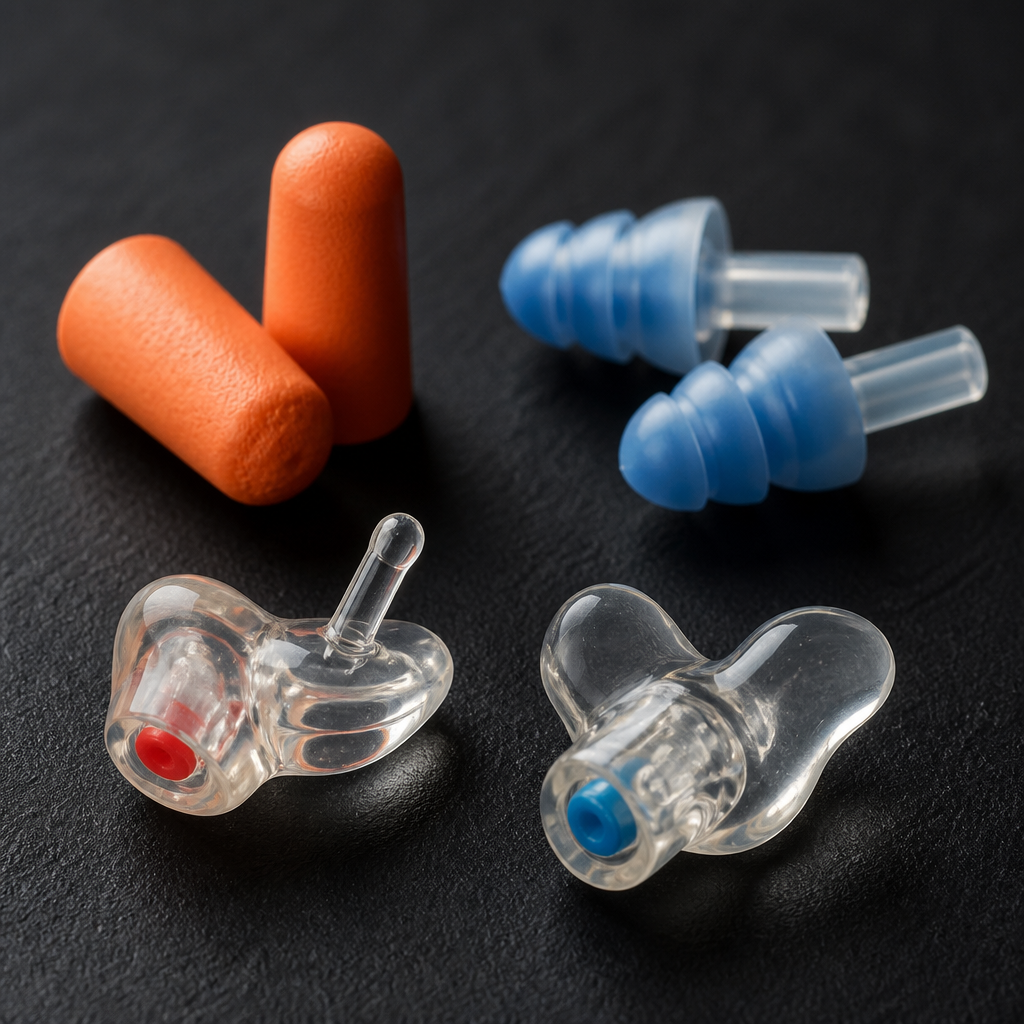
Standard foam ear plugs work by physically blocking the ear canal with a material that absorbs and deflects sound waves. The problem is that foam attenuates high frequencies far more aggressively than low frequencies, which is why music sounds muffled and bass-heavy when wearing cheap foam plugs. Speech becomes difficult to understand, and the overall experience feels like listening through a wall.
High-fidelity ear plugs designed for concerts take a different approach. They use a tuned acoustic filter, often made from a combination of materials, that reduces sound pressure levels more evenly across the audible frequency spectrum. The result is music that sounds like the same performance, just quieter. Vocals remain clear, instrument separation is preserved, and the spatial experience of the room stays intact.
The acoustic filter does the frequency work, but the foam tip does the sealing work. Without a proper seal, sound bypasses the filter entirely through the gap between the plug and your ear canal wall. This is why memory foam tips are particularly effective at concerts: they conform slowly to the exact contours of your ear canal, creating an airtight acoustic seal that rigid silicone flanges often fail to achieve in noisy, dynamic environments where you are moving, talking, and turning your head.
ATTENU8’s metal-bodied ear plugs use exactly this approach. The concave aluminium body houses the acoustic structure while three sizes of soft memory foam tips, XS, S, and M, ensure that most ear canal shapes achieve a genuine seal. The metal body is not just aesthetic. It maintains the geometry of the filter and resists the compression deformation that causes soft-body ear plugs to perform inconsistently after repeated use.
Soft polymer or plastic-bodied ear plugs flex under pressure, which can subtly alter the alignment of any internal acoustic filter and change the effective attenuation profile over time. A rigid aluminium body holds its shape indefinitely, ensuring that the 32dB noise reduction rating you bought is what you actually receive at event 1 and event 50.
The market breaks into three distinct categories, each with a specific use case and set of trade-offs. Understanding where each category excels prevents the common mistake of buying the wrong tool for the specific environment of a live music venue.
Inexpensive and widely available, single-use foam plugs are the default choice for millions of concert-goers. They deliver high NRR ratings on paper, often 29 to 33dB, but their uneven attenuation profile makes music sound hollow and muffled. They are also unhygienic for repeated use, inconsistent in their seal quality from insertion to insertion, and environmentally wasteful at scale. For a construction site or industrial setting, they are appropriate. For a concert where audio quality matters, they are a poor compromise.
This is the category where products like ATTENU8 operate, alongside competitors such as Flare Audio and Loop Earplugs. These plugs are designed to reduce volume while preserving the tonal balance of the music. The key differentiator within this category is build quality and long-term consistency. Loop Earplugs use a polymer body with a looped acoustic channel. Flare Audio uses a titanium or aluminium body depending on the model. ATTENU8 uses a concave aluminium body with replaceable memory foam tips, replacing only the tips every 6 to 8 weeks rather than the entire plug.
The gold standard for professional musicians and audio engineers, custom-molded plugs are made from an impression of your specific ear canal taken by an audiologist. They offer the most precise fit and the flattest attenuation curves available, but they cost several hundred dollars per pair and require a clinical appointment. For regular concert-goers rather than touring professionals, they represent significant overkill in cost relative to the benefit a premium reusable plug already delivers.
| Feature | Single-Use Foam | Reusable High-Fidelity (e.g., ATTENU8) | Custom-Molded |
|---|---|---|---|
| Average NRR | 29 to 33dB | Up to 32dB | 25 to 35dB (filter-dependent) |
| Music Clarity | Poor (muffled, bass-heavy) | Good to Excellent (flat attenuation) | Excellent (precise frequency balance) |
| Cost per Year (regular concert-goer) | Low upfront, high cumulative | Low (tip replacements only every 6-8 weeks) | High upfront, negligible ongoing |
| Hygiene | Single-use only | Excellent with regular tip replacement | Excellent |
| Fit Consistency | Variable, insertion-dependent | Consistent with correct tip size | Perfect (ear-specific) |
| Environmental Impact | High (landfill waste) | Low (durable body, minimal tip waste) | Very low |
| Suitable for Regular Concert Use | No | Yes | Yes (but over-engineered for most) |
A common mistake is buying ear plugs that are technically excellent on paper but uncomfortable enough to remove halfway through a set. Any protection you take out of your ears provides zero protection. Comfort is not a luxury specification in hearing protection. It is a functional requirement.
At live events, ear plugs face a specific set of challenges that they do not face in, say, a sleep environment. Conversation at elevated voice levels, movement through crowds, changes in ambient temperature, and extended wear of two to four hours all stress the fit. Memory foam tips handle these conditions better than silicone flanges because they maintain their seal dynamically rather than requiring constant readjustment.
A frequent error among first-time buyers is defaulting to a single included tip size without testing the others. Ear canal diameter varies by as much as 30 percent between adults, according to anthropometric research cited by hearing protection manufacturers. An ear plug using a medium tip in a canal that needs a small tip will work itself loose during a long show. An ear plug using a medium tip in a canal that needs a large tip will create painful pressure without achieving a proper acoustic seal.
ATTENU8 addresses this directly by including all three sizes, XS, S, and M, with every pair. Testing each size in a quiet environment before attending an event is the single most effective step most concert-goers skip.
Pro tip: Test your ear plug fit by inserting them at home and gently humming. You should feel the vibration conducted through your skull bones rather than hearing it through your ear canals. If you hear yourself clearly through the air, the seal is incomplete and you need to resize or reinsert.
The Noise Reduction Rating (NRR) is a standardized measure of how much sound pressure, in decibels, an ear plug reduces at the eardrum under controlled laboratory conditions. It is set by ANSI standards and required on all hearing protection sold in the United States.
“Occupational noise exposure remains one of the most common causes of preventable hearing loss globally, affecting an estimated 1.1 billion young people at risk from unsafe listening practices.” World Health Organization, Make Listening Safe initiative.
In practice, real-world noise reduction is typically lower than the stated NRR because laboratory testing assumes a perfect fit that most wearers do not achieve. The U.S. Occupational Safety and Health Administration (OSHA) recommends applying a 50 percent derating factor to the NRR to estimate realistic field attenuation for foam plugs. For well-fitting reusable plugs with a consistent seal, the real-world performance is closer to the stated NRR because the design controls for fit variability more reliably than user-dependent foam roll-and-insert technique.
For concert use specifically, a 32dB NRR ear plug in a well-fitted configuration is genuinely effective. A 115dB peak at the stage becomes approximately 83dB at your eardrum, which is within the range that NIOSH considers safe for extended exposure. That is the math that makes premium reusable ear plugs worth the investment for anyone attending more than a handful of events per year.
The honest answer is everyone who attends concerts at standard venue volumes, but the need is more urgent for specific groups whose exposure is higher or whose risk tolerance should be lower.
If you attend more than four or five concerts per year, cumulative exposure becomes a significant concern. Hearing damage compounds. Each unprotected event contributes to a permanent reduction in hearing sensitivity that does not reverse. For this group, investing in a durable, high-fidelity reusable plug is straightforwardly the right decision both financially and physiologically.
Sound engineers, stagehands, security staff, and bartenders working in live music venues face what amounts to occupational noise exposure. They have little choice about their presence at high-volume events. For this group, consistent hearing protection that can be worn comfortably for a full shift without removal is essential. The rigid aluminium body of ATTENU8 plugs, combined with the consistent memory foam seal, makes them practical for this use case in a way that softer, less stable plug designs are not.
Not everyone attending a concert is there primarily for the volume. Many people who are noise-sensitive, who struggle with sleep disruption, or who find loud environments cognitively fatiguing still want to participate in live events. For this group, ear plugs are not just a hearing protection tool. They are an accessibility tool that makes participation possible and enjoyable rather than exhausting and painful.
ATTENU8’s product design, which prioritizes comfort and a consistent seal over simply blocking as much sound as possible, is particularly well suited to this audience. The goal is not isolation. It is a controlled, comfortable listening environment within a loud space.
High-fidelity ear plugs with a flat attenuation profile genuinely do preserve music quality in a way that standard foam plugs do not. The difference is in how they reduce sound. Flat attenuation plugs reduce all frequencies by a similar amount, so the tonal balance of the music stays intact. You hear the same performance at a safer volume. Cheap foam plugs block high frequencies far more than low frequencies, which is what creates the muffled, bass-heavy sound that puts most people off concert ear plugs in the first place.
For a typical concert running between 100 and 115dB, a plug with an NRR of 25 to 32dB is appropriate. At the upper end of that range, a well-fitted 32dB plug brings peak exposure down to a level safe for the full duration of most shows. Going higher than 32dB risks over-attenuation, where you lose the ability to hear conversation and perceive the music accurately, which tends to cause people to remove their plugs.
Test each size in a quiet room before the event. Insert the plug fully, seal the ear canal, and snap your fingers next to your ear. The snapping sound should be dramatically quieter with the plug in than without. If the reduction is minimal, try a smaller size for a tighter seal. If the plug creates noticeable pain or pressure immediately on insertion, try a larger size to reduce the compression required. ATTENU8 includes XS, S, and M tips so you can determine the right size before you need the protection.
Yes, when maintained properly. A single-use foam plug is used once and discarded, which is hygienic in isolation but wasteful at scale. A reusable metal-bodied plug with replaceable memory foam tips, replaced every 6 to 8 weeks, maintains hygiene while dramatically reducing material waste. The aluminium body can be wiped clean after each use, and the tip replacement cycle ensures that the soft contact surface remains fresh without replacing the entire plug.
Yes, and you should. Support acts often run at the same or similar volume levels as the headline act, and the cumulative exposure across a full evening is what matters physiologically. Inserting plugs only for the louder sections of a show misses the point of damage being time-and-intensity dependent. Comfortable, well-fitting plugs like those in the ATTENU8 range are specifically designed for extended wear, making it realistic to use them continuously across a three to four hour event without discomfort.
All three brands target the reusable, high-fidelity concert ear plug market, but the material and construction differ. Loop Earplugs use a polymer body with a looped acoustic channel and interchangeable tips depending on the model. Flare Audio uses a metal body on premium models but varies by product line. ATTENU8 uses a concave aluminium body across the range, paired specifically with memory foam tips in three sizes. The aluminium body maintains filter geometry consistently over time, and the memory foam tip creates a dynamic ear canal seal that rigid silicone flanges, used by some competing products, often fail to sustain during the movement and temperature changes of a live event.
Have you tried ear plugs at a concert before, and did they change the experience for better or worse? Share your thoughts below.

