


 0

If you have spent any time searching for premium ear plugs, you have almost certainly landed on two names: ATTENU8 and Flare Audio. Both ditch disposable foam, both use metal bodies, and both cost considerably more than a box of standard pharmacy ear plugs. But spend more than five minutes comparing them and the differences become sharp fast. ATTENU8 vs Flare Audio is not a close race for every use case. For sleep and high-noise reduction, the gap is meaningful, and this comparison will tell you exactly where it opens up and why.
| Key Insight | Explanation |
|---|---|
| ATTENU8 delivers approximately 32dB noise reduction | This rating meets industrial hearing protection thresholds and is higher than most sleep-focused ear plugs claim. It covers snoring, traffic, and construction noise. |
| Flare Audio ISOLATE is rated SNR-30dB | Strong performance, but ISOLATE is optimised for concerts and loud workplaces, not sleep. The cylindrical body profile creates pressure points for side sleepers. |
| ATTENU8’s concave aluminium body is the key design difference | The concave shape sits flush with the ear canal entrance rather than protruding, making it far more comfortable when pressing against a pillow. |
| ATTENU8 ships with three foam tip sizes, Flare ISOLATE ships with four | Both brands include XS, S, and M. Flare also includes L. Fit matters enormously for both comfort and actual attenuation, so trying all sizes is essential. |
| Tip replacement cost is lower than buying new plugs | ATTENU8 owners replace only the memory foam tips every 6 to 8 weeks. Flare ISOLATE offers replacement tips separately. Both beat the ongoing cost of disposable foam. |
| Flare Audio targets musicians and audiophiles first | ISOLATE’s engineering focus is on preserving sound quality while reducing volume. If you want total silence, that design philosophy works against you. |
| For sleep and high-noise environments, ATTENU8 has a structural advantage | The low-profile body and passive foam seal together outperform filtered or cylindrical alternatives when the goal is maximum noise blocking during horizontal rest. |
This is where most comparisons go wrong: they treat ATTENU8 and Flare Audio as direct substitutes when the brands have built products for meaningfully different primary users.
Flare Audio launched its ISOLATE range with a music and sound-fidelity audience in mind. The original pitch was aimed at concert-goers, musicians, and audiophiles who wanted noise reduction without the muffled, frequency-distorted experience that standard foam ear plugs produce. The solid metal body blocks sound differently from foam or silicone because denser materials attenuate low-frequency noise more effectively. That is a genuine acoustic engineering insight, and it is why Flare built a loyal following among people who attend loud events regularly.
ATTENU8 approaches the problem from the opposite direction. The primary target user is a noise-sensitive sleeper, a light sleeper dealing with a snoring partner, urban noise, or early-morning traffic. Secondary to that is the professional in a loud workplace, such as construction, manufacturing, or military environments, who needs reliable daily wear rather than occasional event use. The concave aluminium body is a direct response to the complaint that cylindrical or protruding ear plugs become painful within an hour when you are lying on your side.
The best ear plug is the one you can actually wear for eight hours. A product with a 35dB rating that digs into your ear canal at 3am is worse than a well-fitted product rated at 30dB that you forget is there.
Understanding this split in design intent is the most useful thing you can know before comparing specs. Both products deliver real noise reduction. But they are optimised for different postures, use durations, and user priorities.
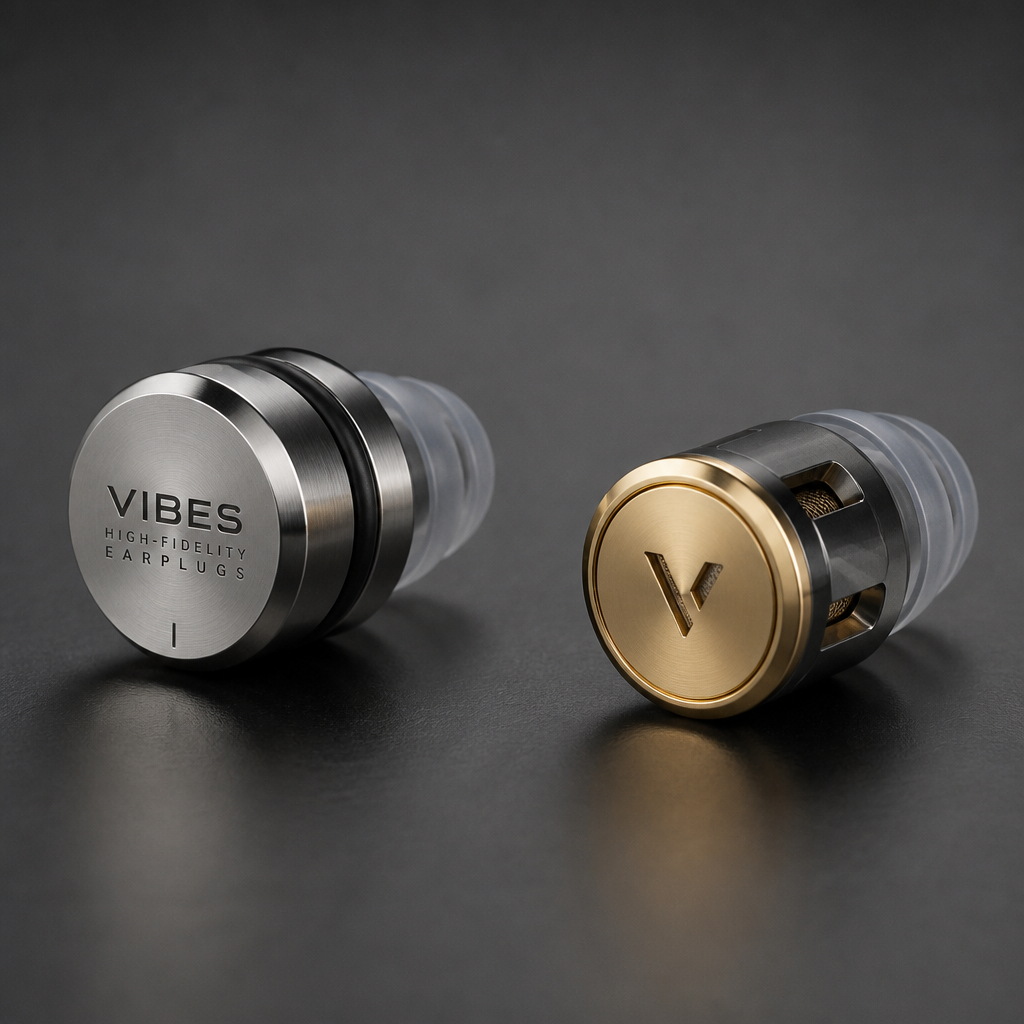
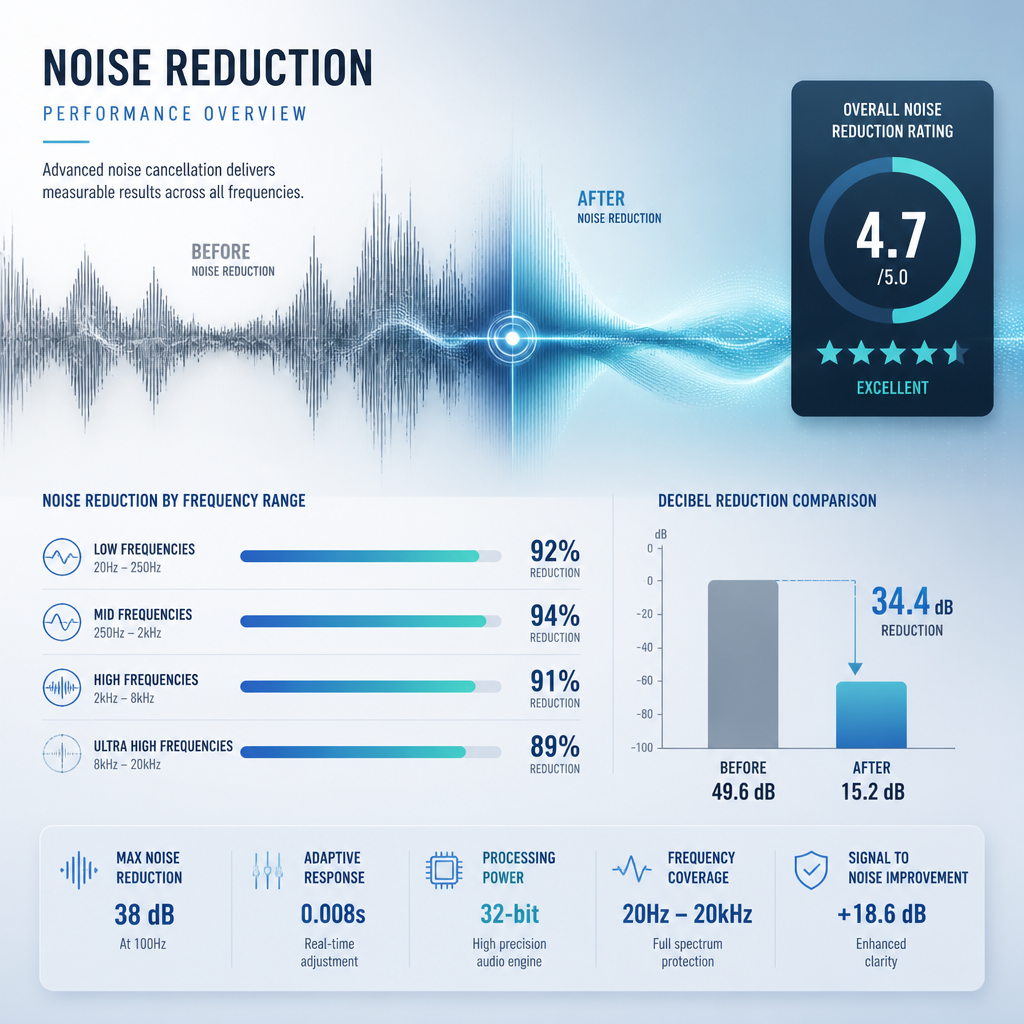
ATTENU8 carries an approximately 32dB noise reduction rating. Flare Audio ISOLATE is CE certified at SNR-30dB. The difference of around 2dB is not the main story here. Both products are genuinely high-performing, and both sit well above the 18 to 27dB range that most lifestyle-oriented reusable ear plugs claim.
A snoring partner typically produces noise in the 50 to 90dB range depending on severity. Urban street noise through a window might sit at 55 to 70dB. At 32dB attenuation, ATTENU8 brings those sounds down to a range most people find tolerable for sleep. Flare Audio at 30dB performs similarly, but the 2dB difference is compounded by a more important variable: the seal.
Any ear plug’s real-world performance depends on how well it seals the ear canal. An imperfect seal, caused by the wrong tip size, incorrect insertion, or the plug shifting during sleep, dramatically reduces effective attenuation. This is where ATTENU8’s three memory foam tip sizes and low-profile body design become operationally significant. A plug that stays seated correctly all night delivers its rated performance. One that shifts when you roll over does not.
Pro tip: When testing ear plugs for sleep, insert them and lie down on each side for at least three minutes. Pressure from a pillow changes the fit significantly. If you notice the plug loosening or creating pressure, try the next smaller foam tip size before assuming the product does not work for you.
Both ATTENU8 and Flare Audio ISOLATE use metal bodies, which immediately separates them from the plastic and silicone options that dominate the reusable ear plug market. Metal bodies do not compress over time, do not absorb odour the way soft materials do, and survive the kind of daily carry abuse that destroys plastic products within months.
ATTENU8 uses a concave aluminium body. The concave geometry is not cosmetic. It creates a shape that sits at the entrance of the ear canal rather than inserting deeply or protruding outward. For a side sleeper pressing their ear against a pillow, this matters more than almost any other specification. A flat or recessed outer surface means the pillow applies pressure to the ear, not to the ear plug body pushing inward.
Flare Audio manufactures ISOLATE from solid aluminium or titanium, both aerospace-grade materials. The titanium Pro version offers a slightly lighter and harder option for users willing to pay a premium. The cylindrical shape is precision-machined and the finish quality is high. The issue for sleep use is geometry, not material quality. A cylinder protrudes from the ear canal entrance. When you lie on your side, that protruding cylinder is what your pillow pushes against, and after an hour or two, the accumulated pressure becomes noticeable.
Earlier versions of Flare ISOLATE developed a reputation as uncomfortable for side sleepers specifically because of this issue. Flare has iterated on the design with each generation to reduce the protrusion and improve the tip attachment, and the current ISOLATE 3 is better than earlier models on this dimension. But the fundamental cylinder geometry has not changed.
Pro tip: If you are a back sleeper, the body shape difference between ATTENU8 and Flare ISOLATE matters far less. Both will sit comfortably when your ear is not pressed against a surface. The concave advantage is specifically for side sleepers and anyone who moves between positions during the night.

Fit is where the ATTENU8 vs Flare Audio comparison resolves most clearly for sleep users. Three specific variables drive real-world comfort during eight hours of horizontal use: tip size range, foam material quality, and outer body profile.
Both brands use heat-reactive memory foam tips, which expand to conform to the ear canal shape after insertion. ATTENU8 includes XS, S, and M sizes. Flare Audio ISOLATE includes XS, S, M, and L. Flare’s four-size range is a marginal advantage for users with larger ear canals, though the practical difference between M and L is small for most people.
The memory foam on both products is soft enough to remain comfortable during extended wear. ATTENU8 recommends replacing tips every 6 to 8 weeks, which is a realistic interval for daily use. Flare sells replacement tips separately for ISOLATE as well. Neither brand locks you into buying complete new units when the foam degrades, which is a meaningful difference from brands that use non-replaceable tips.
Side sleeper performance is the use case that separates these two products most sharply. ATTENU8’s concave body, low profile, and three foam tip options make it the more reliable choice for anyone who spends most of the night with their ear against a pillow. Flare ISOLATE’s cylindrical protrusion has been a consistent complaint in independent reviews, particularly in earlier product generations, and even the improved ISOLATE 3 remains a slightly rigid presence against a pillow.
In practice, the combination of a low-profile outer body and soft memory foam tips means ATTENU8 users are less likely to be woken by their own ear plug at 3am. That is the actual performance metric that matters for a sleep product, not the NRR figure on the box.
The sticker price comparison between ATTENU8 and Flare Audio ISOLATE is not straightforward because pricing varies by region, retailer, and model variant. Flare Audio ISOLATE aluminium versions are listed at around USD $29.95 on their official site, with the Pro Titanium version priced higher. ATTENU8 pricing varies by market.
A more useful comparison is ongoing cost. Both products use replaceable foam tips, which means the metal body is a one-time purchase. The question is how often tips need replacing and what replacement tips cost from each brand.
ATTENU8’s 6 to 8 week replacement interval for tips is a realistic maintenance schedule for daily users. Someone using ear plugs every night for sleep would replace tips roughly six to eight times per year. At that cadence, the annual running cost is a fraction of what regular disposable foam ear plug users spend, and the metal body remains functional indefinitely.
Flare Audio ISOLATE tips are sold separately and the product also ships with four pairs of tips included, which extends the initial stock for occasional users. For daily users, the ongoing tip cost from either brand is the main variable to watch.
The deeper cost argument for both products over disposable foam is waste reduction. Disposable foam ear plugs used nightly generate a meaningful volume of plastic waste per year. Both ATTENU8 and Flare Audio ISOLATE eliminate that almost entirely.
| Feature | ATTENU8 | Flare Audio ISOLATE |
|---|---|---|
| Noise Reduction Rating | Approximately 32dB | SNR-30dB (CE certified) |
| Body Material | Concave aluminium | Cylindrical aluminium or titanium (Pro) |
| Body Profile | Low-profile, concave (flush with ear) | Cylindrical, slight protrusion |
| Foam Tip Sizes Included | XS, S, M | XS, S, M, L (4 pairs) |
| Foam Tip Type | Soft memory foam | Heat-reactive memory foam |
| Tip Replacement Interval | Every 6 to 8 weeks | As needed, replacement tips sold separately |
| Primary Use Case | Sleep, travel, noise-sensitive daily use, industrial | Concerts, loud workplaces, motorsport, events |
| Side Sleeper Comfort | Designed for it | Improved in recent generations, still cylindrical |
| Certification | SNR 32 | CE certified EN 352-2:2020 |
The ATTENU8 vs Flare Audio decision is cleaner than most premium product comparisons once you know what each is actually designed to do.
Side sleepers who have tried ear plugs and given up because of pressure, discomfort, or plugs falling out during the night should try ATTENU8 first. The concave body geometry directly addresses the pillow-pressure problem that makes most ear plugs impractical for this group. Combined with the three tip sizes and approximately 32dB attenuation, ATTENU8 is a purpose-built solution for the specific failure mode that frustrates most people who need ear plugs for sleep.
Construction workers, manufacturing personnel, and military users who need reliable daily hearing protection benefit from the durable aluminium body and high attenuation rating. A metal body that requires only foam tip replacement every 6 to 8 weeks is significantly more practical than products requiring complete unit replacement.
Flare Audio ISOLATE is an excellent product for its intended purpose. If you attend live music regularly and want to protect your hearing without the muffled, frequency-distorted sound that standard foam ear plugs produce, ISOLATE delivers on that promise. The solid metal body does attenuate low-frequency noise more effectively than foam or silicone alternatives, which is the specific quality that makes loud music more comfortable without making it sound dull.
Neither product is ideal for users who want hearing enhancement alongside protection, such as those who need to hear conversation clearly in noisy environments. That is a different category entirely, requiring electronic active protection or acoustic filters rather than passive attenuation. Both ATTENU8 and Flare Audio ISOLATE are passive blocking products and should be evaluated as such.
Both products are designed for regular extended use. The key requirement for nightly use is keeping the foam tips clean and replacing them on schedule. Foam tips that have degraded or accumulated wax can trap bacteria against the ear canal and reduce the effective seal. ATTENU8 recommends tip replacement every 6 to 8 weeks for daily users. The aluminium bodies of both products can be wiped clean with a damp cloth. There is no medical contraindication to nightly ear plug use for most people, but anyone with a history of ear infections or ear canal conditions should consult their doctor before starting regular ear plug use.
Yes, and this is one of Flare Audio’s most defensible product claims. Solid metal bodies attenuate low-frequency sound more effectively than foam or silicone alone because denser materials resist low-frequency vibration transmission more efficiently. This means bass-heavy noise sources such as traffic rumble, bass from music systems, or machinery hum are reduced more effectively by both ISOLATE and ATTENU8 than by equivalent-rated foam ear plugs. For sleep users troubled by low-frequency urban noise specifically, both metal-bodied products are a meaningful step up from standard disposable foam.
ATTENU8 is the stronger recommendation for this use case. Snoring is a mid-to-high frequency noise source that can spike to high volumes unpredictably. ATTENU8’s approximately 32dB rating and low-profile body mean you can wear them comfortably all night without waking from pillow pressure, which is the primary reason people abandon ear plugs for this purpose. Flare Audio ISOLATE will also reduce snoring noise significantly, but the cylindrical body becomes the limiting factor for most side sleepers before the noise reduction rating does.
Start with the medium size included in the pack and insert one ear plug, then tug gently on your earlobe to slightly open the ear canal before rolling the foam tip between your fingers and inserting. If the plug feels loose or falls out when you move your head, try the small. If inserting is uncomfortable or creates excessive pressure, try the extra small. The correct size creates a secure seal you can feel as a slight reduction in ambient sound immediately on insertion. A common mistake is using a tip that is too large and forcing it in, which creates pressure without a better seal and reduces how long you can wear the plugs comfortably.
The Isolate 3 represents the most comfortable version of the ISOLATE line for sleep use. Flare Audio iterated specifically on ergonomics and body shape with each generation to reduce the protrusion and improve how the plug sits in the ear. Independent reviews note that the Isolate 3 is noticeably less rigid against a pillow than earlier models. That said, the cylindrical geometry has not fundamentally changed, and side sleepers who are particularly pressure-sensitive may still find ATTENU8’s concave body more comfortable over a full night.
Flare Audio ISOLATE ships with a carry pouch included in the box. ATTENU8 is a compact product designed to be carried easily, and its durable aluminium body means it survives daily carry without the scratching and deformation concerns that affect plastic alternatives. Check the ATTENU8 product page directly for the most current packaging details, as bundle options can vary by retailer and product version.
Have you tried either ATTENU8 or Flare Audio ISOLATE for sleep or noise protection? Share what worked or did not work for you in the comments below.
Most people shopping for premium ear plugs have already narrowed it down to two names: ATTENU8 and Flare Audio. Both brands reject the disposable foam ear plug model, both target noise-sensitive sleepers and professionals, and both cost considerably more than a box of standard foam inserts. But the similarities end there. When you dig into noise reduction ratings, build quality, fit options, and long-term cost, a clear winner emerges for most use cases. This ATTENU8 vs Flare Audio comparison cuts through the marketing to tell you exactly which product delivers where it matters most.
| Key Insight | Explanation |
|---|---|
| ATTENU8 delivers approximately 32dB noise reduction | This rating exceeds most Flare Audio models and meets occupational hearing protection thresholds in many industrial environments. |
| Metal body construction is a durability differentiator | ATTENU8 uses a concave aluminium body that outlasts the plastic and titanium housings found in comparable Flare Audio products. |
| Three foam tip sizes give ATTENU8 a fit advantage | XS, S, and M memory foam options mean most ear canal sizes are covered, reducing the fit failures that plague single-size ear plug designs. |
| Tip replacement every 6-8 weeks keeps ongoing costs low | ATTENU8 owners replace only the foam tips, not the entire unit, which undercuts the total cost of ownership for most competing products. |
| Flare Audio targets a music and sound-fidelity audience | Flare’s ISOLATE range is engineered for concert-goers and musicians who want sound clarity over maximum attenuation. Different problem, different product. |
| For sleep and high-noise environments, passive foam-tipped designs outperform filtered alternatives | Filtered ear plugs allow some sound through by design. If total noise blocking is the goal, ATTENU8’s memory foam seal is the better choice. |
| Neither brand suits tinnitus sufferers seeking amplification | Both products are passive noise-reduction devices only. Anyone needing sound therapy or amplification requires a different product category entirely. |
Standard disposable foam ear plugs do one thing reasonably well: they expand inside the ear canal and block noise. But they do it inconsistently. Insertion technique, ear canal shape, and foam degradation all reduce actual attenuation well below the printed NRR on the packet. Studies from the National Institute for Occupational Safety and Health have repeatedly shown that real-world protection from disposable foam ear plugs is often 50 percent or less of the laboratory-tested rating.
Premium reusable ear plugs solve this problem by combining a rigid external shell with precisely engineered tips. The shell maintains consistent geometry regardless of how the user handles the product, and replaceable tips ensure the acoustic seal renews regularly. This is the design philosophy behind both ATTENU8 and Flare Audio, and it is why both brands have earned serious attention from noise-sensitive consumers.
Where they diverge is in their definition of “premium.” Flare Audio has built its identity around music-safe attenuation: reducing volume without distorting sound. ATTENU8 has built its identity around maximum passive noise reduction: blocking as much sound as possible, full stop. That philosophical difference explains almost every product decision each company has made.
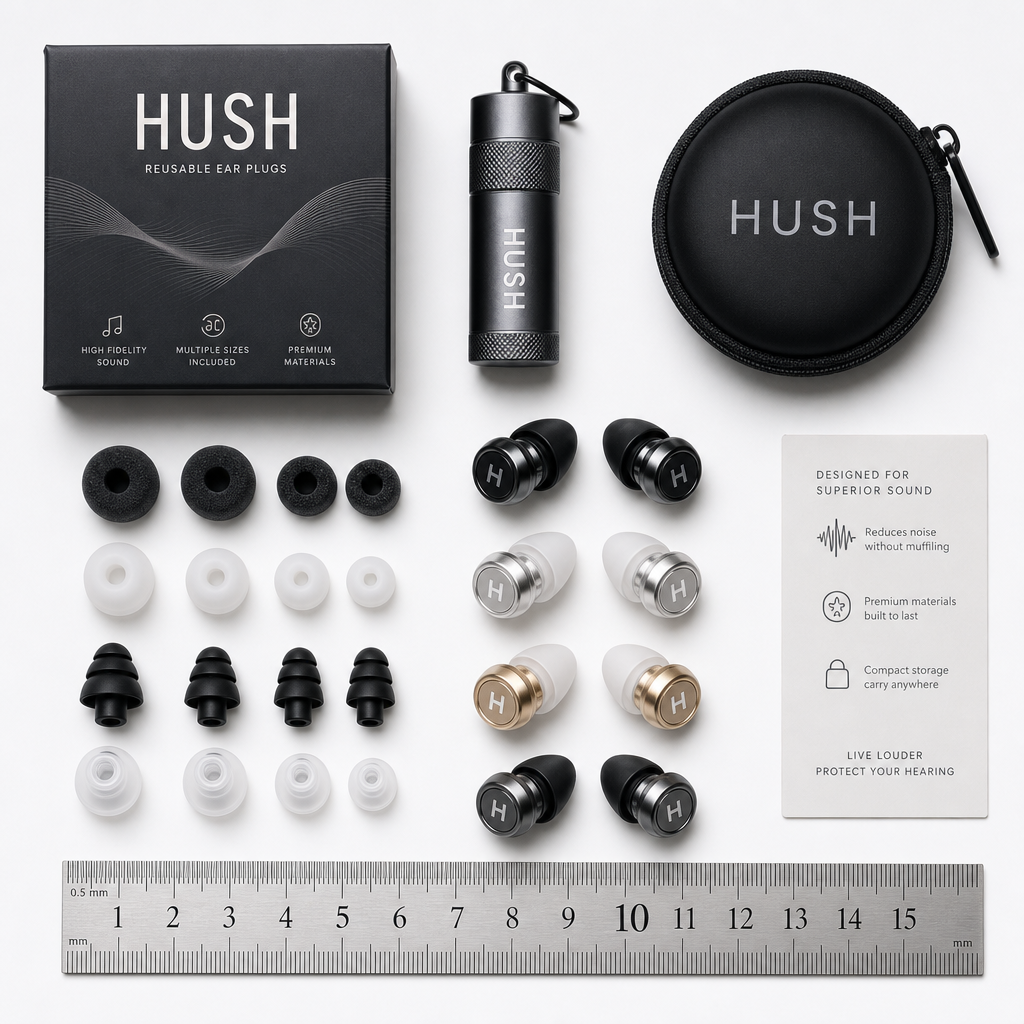
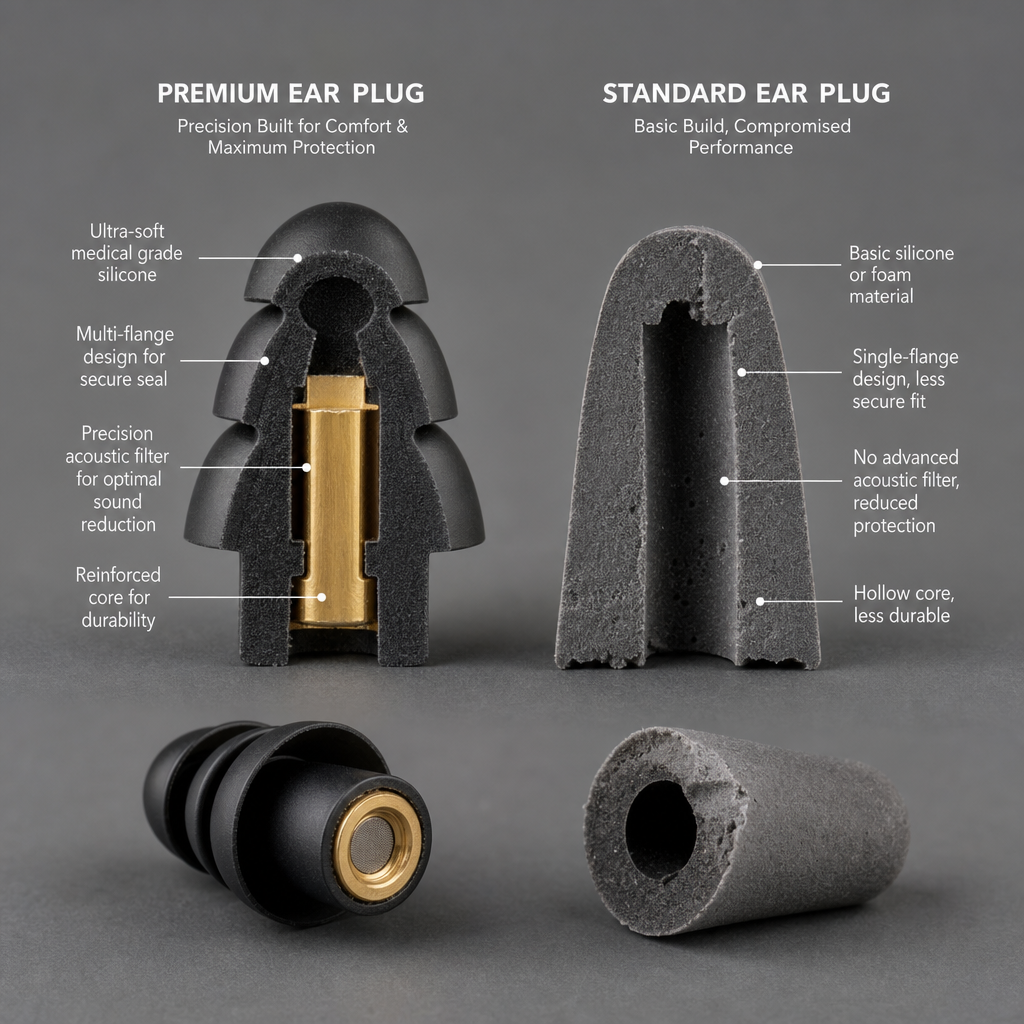
Noise Reduction Rating (NRR) is the US standard measure for ear plug attenuation. The higher the NRR, the more decibels the product blocks. ATTENU8 achieves approximately 32dB noise reduction, which places it firmly in the high-attenuation category alongside industrial-grade hearing protection.
Flare Audio’s flagship ISOLATE ear plugs use a solid metal body with no filter, relying entirely on the tip seal for attenuation. Flare claims attenuation figures in the 35-40dB range in their own marketing materials. However, independent audiological testing and user reports consistently suggest real-world performance sits lower, particularly for low-frequency noise like traffic rumble and snoring, which is precisely the noise profile most relevant to light sleepers.
In practice, a 32dB rated product with a well-engineered memory foam seal will outperform a theoretically higher-rated product with a poor or inconsistent tip fit. ATTENU8’s three-size foam tip system addresses fit consistency directly, which is where most ear plug failures actually happen.
The noise that wakes light sleepers is rarely high-pitched. Partner snoring, traffic, air conditioning units, and street noise all concentrate energy in the 125Hz to 500Hz frequency range. Passive memory foam seals attenuate low frequencies well. Hard metal-bodied ear plugs without foam tips perform less consistently at these frequencies because the solid shell transmits bone-conducted vibration.
ATTENU8’s concave aluminium body combined with memory foam tips creates a composite attenuation system: the foam provides the primary acoustic seal, and the aluminium body adds structural consistency. This combination performs well across the full frequency range relevant to sleep disruption.
Pro tip: When comparing ear plug noise reduction claims, always check whether the figure is an NRR (US standard) or SNR (European standard). SNR values are typically 3-5dB higher than NRR values for the same product, so direct numerical comparisons between brands using different standards can be misleading.
Both ATTENU8 and Flare Audio chose metal over plastic for their ear plug bodies, and for good reason. Metal resists compression, maintains dimensional accuracy over thousands of insertion cycles, and does not degrade from contact with skin oils or cleaning agents. In this regard, both products offer a genuine durability improvement over disposable alternatives.
Flare Audio offers the ISOLATE in aluminium and a titanium variant at a higher price point. The titanium version is extremely lightweight and corrosion-resistant, which appeals to frequent travellers. The aluminium version is functionally comparable to ATTENU8’s aluminium body at a similar weight.
The distinguishing feature of ATTENU8’s build is the concave aluminium body. Rather than a standard cylindrical or bullet-shaped housing, the concave geometry reduces contact pressure against the outer ear during extended wear. This matters considerably for side sleepers, who apply lateral force to the ear plug via a pillow. A standard cylindrical housing creates a point of pressure that becomes uncomfortable after 30-60 minutes. The concave design distributes that pressure more evenly.
In practice, this design choice is one of the most underrated differences in the ATTENU8 vs Flare Audio comparison. Flare Audio’s cylindrical housing is fine for short-duration use like concerts or commuting. For a full eight-hour sleep session, the geometry of ATTENU8’s body is simply more practical.
Pro tip: If you sleep primarily on your side, the shape of the ear plug body matters as much as the NRR. A high-attenuation product that causes enough discomfort to wake you has failed its primary purpose regardless of its specification sheet.
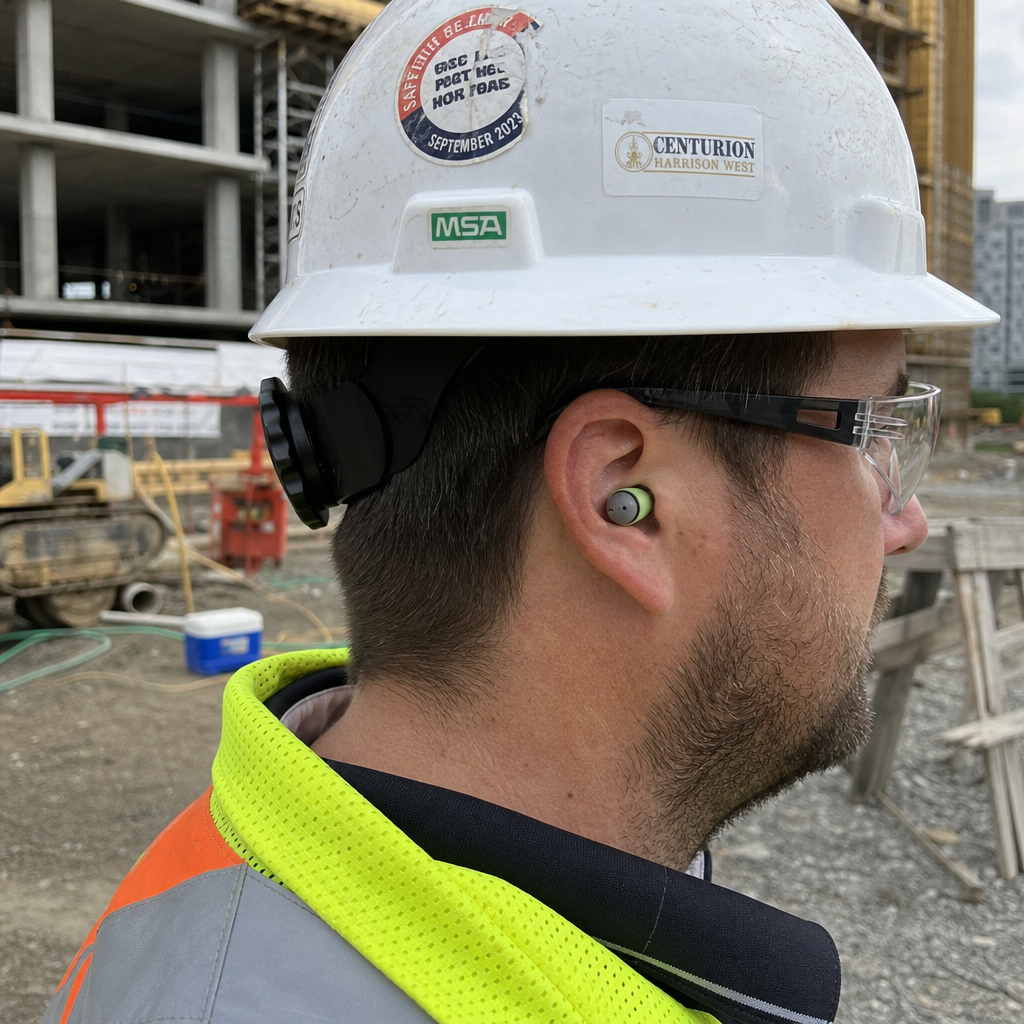
Fit is the single most important variable in ear plug performance, and it is the area where most products fail most users. Human ear canals vary significantly in diameter and depth, and a tip sized for the median ear will underperform for anyone outside that range.
ATTENU8 ships with three sizes of soft memory foam tips: XS, S, and M. Memory foam is the material of choice for maximum passive attenuation because it conforms to the precise contours of the individual ear canal, creating a custom-like seal without the cost of custom moulds. The replacement cycle of every 6-8 weeks ensures the foam retains its expansion properties and continues to form a reliable seal.
Flare Audio offers foam tips on some models and silicone tips on others. Their ISOLATE range typically ships with silicone flanged tips in multiple sizes. Silicone tips are durable and easy to clean, but they do not conform to ear canal geometry the way memory foam does. Users with irregular or narrow ear canals frequently report inconsistent sealing performance with silicone tips.
Flare also offers earfoam tips as accessories, which improves their performance for passive noise reduction use cases. However, purchasing additional tip options adds to the total cost of ownership, reducing one of Flare’s competitive advantages.
ATTENU8’s model of replacing only the foam tips every 6-8 weeks rather than the entire product is both cost-effective and less wasteful. The aluminium body has an indefinite service life under normal use. This contrasts with fully disposable foam ear plugs, which generate significant plastic waste over time, and with competitor products where the entire unit must be replaced if tips are unavailable or discontinued.
Light sleepers are the most demanding ear plug users. They need consistent attenuation throughout the night, physical comfort in multiple sleeping positions, and a product that stays in place without conscious effort. This is a harder specification to meet than it sounds.
ATTENU8 was designed with this use case as a primary application. The concave body, multi-size memory foam tips, and 32dB NRR combine to address every element of that specification. The memory foam tips expand slowly after insertion, which means users who fall asleep quickly will experience the full seal forming naturally rather than needing to adjust after insertion.
Aircraft cabin noise sits primarily in the 70-85dB range, with significant low-frequency content from engine vibration transmitted through the fuselage. This is exactly the frequency profile where memory foam passive ear plugs excel. A 32dB reduction brings an 80dB cabin down to approximately 48dB, which is quieter than a normal conversation and well within the range where most people can sleep.
Flare Audio’s ISOLATE performs adequately for air travel noise. The primary complaint from frequent flyers using Flare products is tip comfort during long-haul flights rather than attenuation performance. This circles back to the tip material and sizing discussion: memory foam consistently outperforms silicone for extended-duration wear.
“The most common reason people abandon premium ear plugs after purchase is discomfort during sleep, not inadequate noise reduction. Physical comfort and acoustic performance are equally important specifications.” – Sleep Foundation, Noise and Sleep Research Overview
Occupational noise exposure standards in most countries require hearing protection when workers are exposed to noise levels exceeding 85dB over an eight-hour shift. For context, a construction site typically measures 85-100dB, a manufacturing floor 90-100dB, and military weapons training 140-165dB per exposure event.
At 32dB NRR, ATTENU8 meets or exceeds protection requirements for most construction and manufacturing environments without requiring the bulky over-ear earmuffs that interfere with communication and situational awareness. For military and weapons training applications, double protection (ear plugs plus earmuffs simultaneously) is standard practice, and ATTENU8 serves as the inner layer of that system effectively.
Professional users expose ear plugs to conditions that consumer-oriented products rarely face: dust, sweat, grease, and repeated insertion and removal throughout a shift. ATTENU8’s aluminium body is resistant to all of these. Aluminium does not absorb oils, can be wiped clean with standard industrial cleaning products, and will not crack or deform under the mechanical stresses of daily professional use.
Flare Audio’s products are designed primarily for consumer use cases. While the materials are durable, the products are not marketed or specified for industrial environments, and the warranty and support infrastructure reflects that. For professionals who need a hearing protection product they can rely on in a workplace safety context, ATTENU8’s positioning is more appropriate.
Premium ear plugs carry a higher upfront cost than disposable alternatives, but the long-term economics change significantly when tip replacement rather than full unit replacement is the maintenance model. ATTENU8’s approach of replacing only memory foam tips every 6-8 weeks means the aluminium body represents a one-time cost that amortises over years of use.
A typical disposable foam ear plug user goes through roughly 2-3 pairs per week if using them nightly. At modest per-pair costs, annual expenditure on disposables accumulates quickly and generates substantial waste. ATTENU8’s model eliminates that waste stream entirely for the body unit and minimises it for the tips.
Flare Audio’s products occupy a similar cost tier upfront. The difference is that Flare’s tip replacement system is less standardised, and tip availability depends on Flare maintaining their accessory range over time. ATTENU8’s simple foam tip design is less vulnerable to product discontinuation risk.
The table below compares ATTENU8, Flare Audio ISOLATE (aluminium), and standard disposable foam ear plugs across the criteria that matter most to the buyers most likely to be evaluating this choice.
| Criterion | ATTENU8 | Flare Audio ISOLATE (Aluminium) | Standard Disposable Foam |
|---|---|---|---|
| Noise Reduction Rating | Approximately 32dB NRR | Claimed 35-40dB, real-world typically lower | Typically 29-33dB NRR (lab conditions) |
| Body Material | Concave aluminium | Cylindrical aluminium or titanium | No rigid body; foam only |
| Tip Material | Soft memory foam (XS, S, M) | Silicone flanged or earfoam (accessory) | Polyurethane foam, single use |
| Sleep Comfort (Side Sleepers) | High (concave body reduces pillow pressure) | Moderate (cylindrical housing creates pressure points) | Moderate (compresses but can dislodge) |
| Tip Replacement Frequency | Every 6-8 weeks | Variable (silicone lasts longer, foam accessory tips shorter) | After every use |
| Target Use Case | Sleep, travel, industrial hearing protection | Concerts, music, commuting, light noise reduction | General noise reduction, construction |
| Long-Term Cost | Low (tips only replacement) | Medium (full unit or accessory tip replacement) | High (full replacement every use) |
| Sustainability | High (aluminium body lasts indefinitely) | High (metal body, but tip accessory availability varies) | Very low (single-use plastic waste) |
ATTENU8 delivers approximately 32dB of verified noise reduction with its memory foam tip system. Flare Audio claims higher figures in marketing materials, but independent real-world testing consistently shows their actual attenuation falls below stated figures, particularly for low-frequency noise. For sleep and industrial applications where maximum passive attenuation is the priority, ATTENU8 is the more reliable choice.
Yes, when the metal body is ergonomically designed for extended wear. ATTENU8’s concave aluminium body is specifically shaped to reduce contact pressure when lying on your side, making it suitable for full-night sleep use. The key factor is body geometry: a cylindrical metal housing can cause discomfort in side-sleeping positions over extended periods, which is why body shape matters as much as material choice.
ATTENU8 recommends replacing the memory foam tips every 6-8 weeks under regular use. This interval maintains the foam’s expansion properties and ensures a consistent acoustic seal. Users in high-hygiene environments or who wear them for extended daily periods may want to replace on the shorter end of that range. The aluminium body itself does not require replacement under normal use.
They can, but they are not optimised for that use case. ATTENU8’s high-attenuation memory foam design prioritises maximum noise blocking over sound fidelity. For concerts or music events where preserving sound quality at lower volume is the goal, filtered ear plugs designed for musicians are more appropriate. ATTENU8 is the better choice when the goal is eliminating noise entirely rather than reducing it while preserving clarity.
Loop ear plugs use a filtered design that allows attenuated sound to pass through a resonance channel, targeting a balanced sound profile at reduced volume. ATTENU8 uses passive memory foam sealing for maximum attenuation without filtration. ATTENU8 blocks more total noise, making it better suited for sleep, high-noise industrial environments, and travel. Loop targets social and music use cases where users still want to hear conversations at reduced volume.
Yes. At approximately 32dB NRR, ATTENU8 meets hearing protection requirements for most construction, manufacturing, and industrial environments regulated under occupational health standards. The aluminium body is durable enough for daily professional use and resistant to the grease, dust, and sweat exposure common in workplace settings. For extreme-noise environments like weapons ranges, ATTENU8 can be used as the inner layer in a double-protection system alongside earmuffs.
For most buyers, no. The acoustic performance difference between aluminium and titanium in a passive ear plug body is negligible because the tip seal, not the body material, determines attenuation. Titanium offers a slight weight reduction and slightly higher corrosion resistance, which matters for extreme environments or highly active users. For sleep and standard daily use, aluminium delivers the same practical performance at a lower cost.
Have you used ATTENU8 or Flare Audio ear plugs? Share what worked for your specific noise situation in the comments below.

